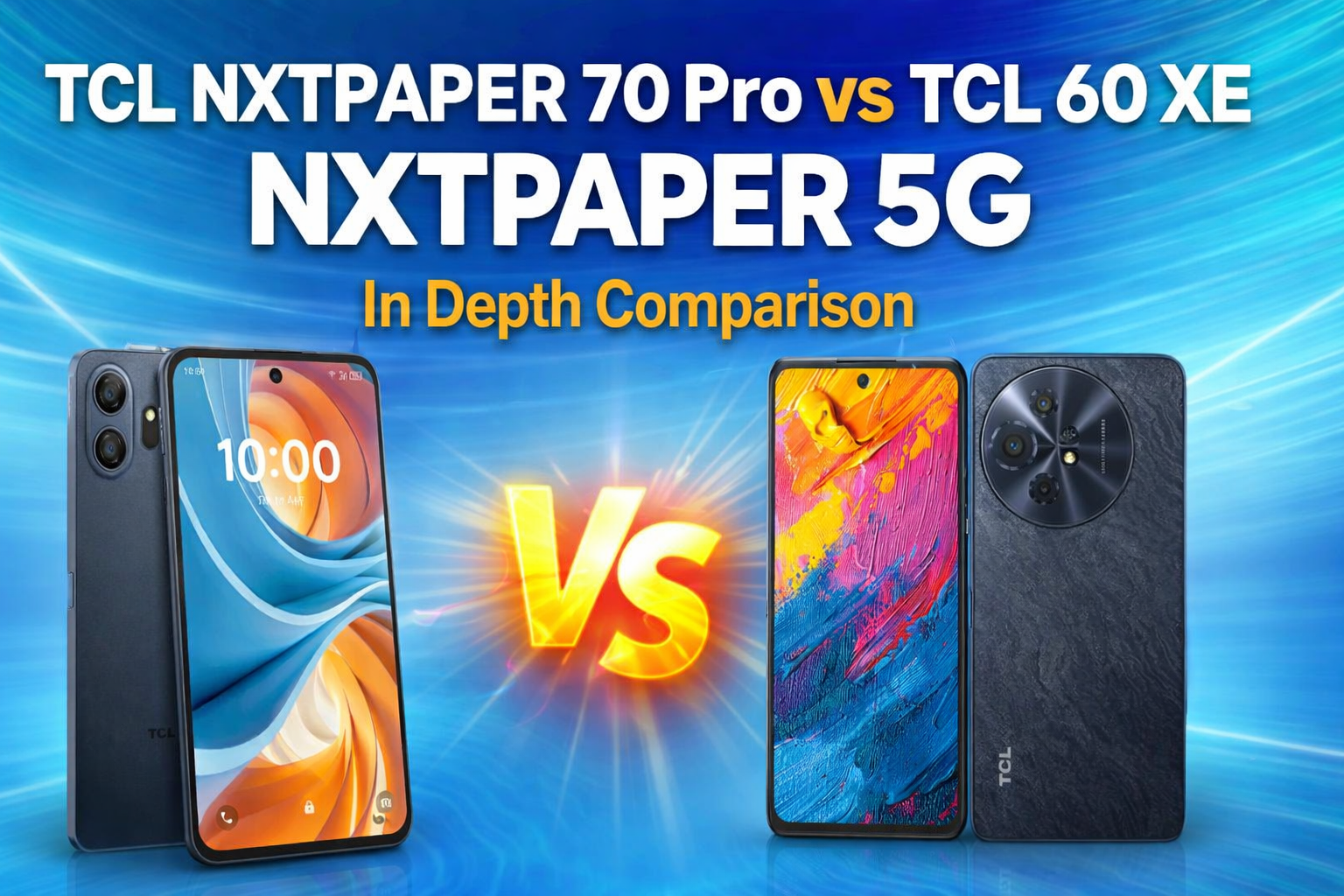
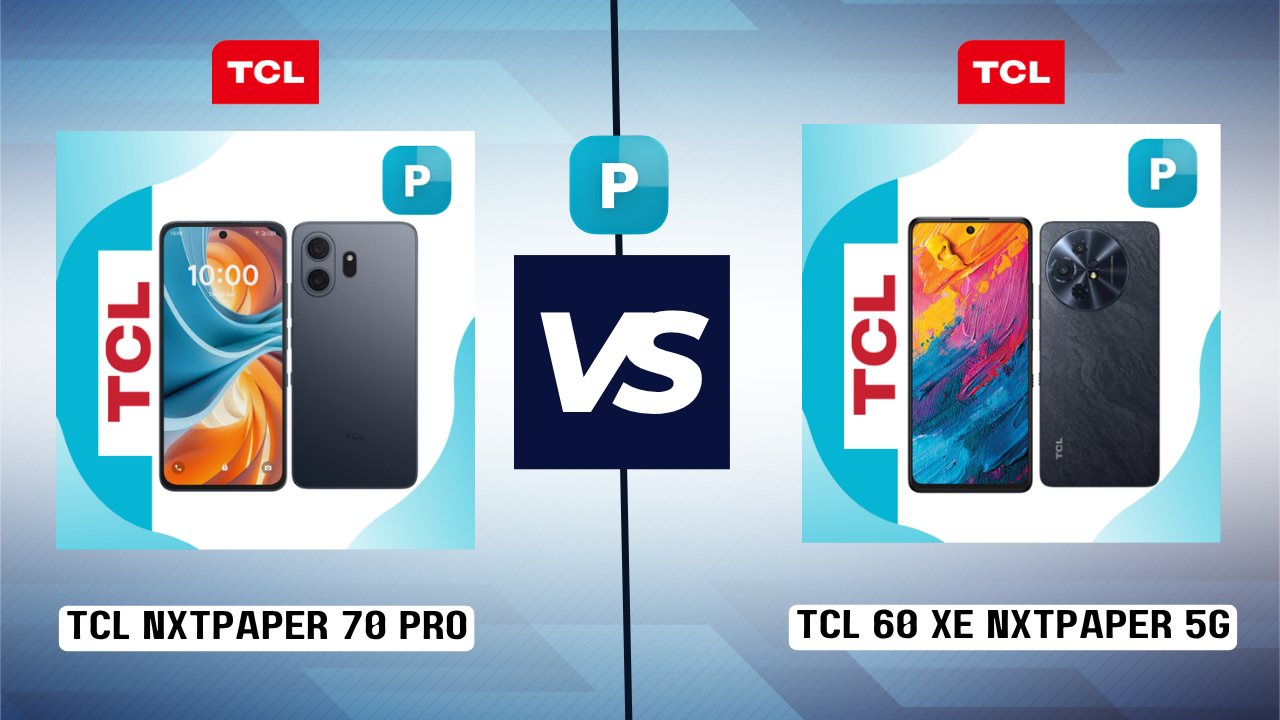
TCL NXTPAPER 70 Pro vs TCL 60 XE NXTPAPER 5G In Depth Comparison
After spending a solid two weeks switching between these two TCL phones in my daily routine here in Lahore—commuting on busy roads, scrolling through feeds under harsh sunlight, and even handling some light video editing on the go—I can honestly say this TCL NXTPAPER 70 Pro vs TCL 60 XE NXTPAPER 5G In Depth Comparison boils down to one phone feeling like a refined daily driver and the other like a solid budget-friendly option with a few clever tricks. Both carry that signature NXTPAPER display tech that TCL is known for, promising eye comfort and paper-like reading, but they differ in ways that actually matter when you’re not just staring at specs on paper. Let’s break it all down honestly, from how they feel in your pocket to what happens when you push them hard.
Design and Build Quality: Everyday Carry and Real-World Toughness
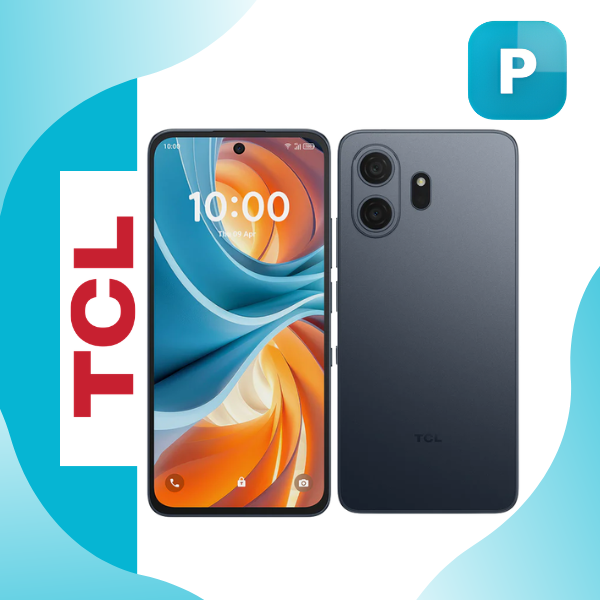
Picking up the TCL NXTPAPER 70 Pro for the first time, I noticed right away how its 7.98mm thickness and 207-gram weight give it a reassuring heft without feeling bulky. The plastic body comes with an anti-fingerprint coating in that Stellar Blue shade, and it stays surprisingly clean even after hours of one-handed use during my morning chai runs. What really stood out is the IP68 rating—I accidentally splashed it with water while washing my hands at a roadside dhaba, and it didn’t skip a beat. That kind of peace of mind matters when you live in a place where sudden rain or accidental drops happen more often than you’d like.
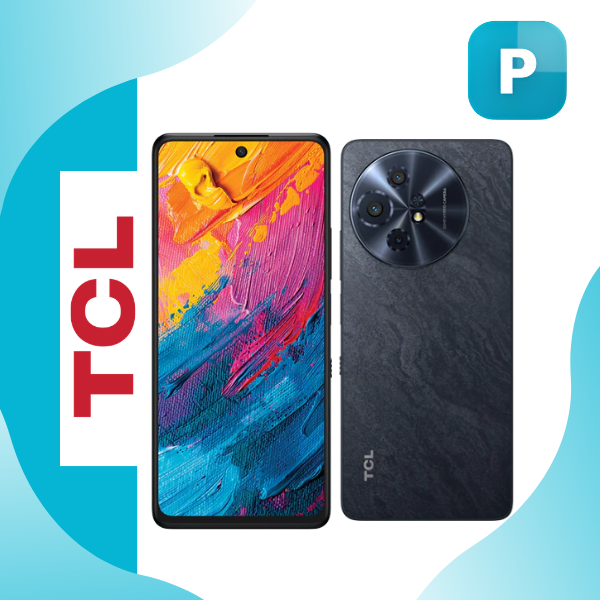
In contrast, the TCL 60 XE NXTPAPER 5G feels a touch lighter at 199.5 grams and slightly thicker at around 8.22mm, with a matte plastic back in Space Blue that resists smudges even better. It slips into jeans pockets more easily during my evening walks, but the lack of any official water resistance rating makes me nervous. I tested it with light splashes and it handled fine, but I wouldn’t trust it near a full sink. The side-mounted fingerprint sensor on both works instantly, though the 70 Pro’s power-button placement feels more natural for my thumb. Both have that hybrid or expandable storage setup up to 2TB via microSD, but the 70 Pro adds eSIM support alongside the hybrid Nano-SIM slot, which saved me hassle when I swapped carriers mid-review. If you’re someone who travels a lot or works outdoors, the 70 Pro’s build simply feels more premium and trustworthy in the long run.
Display Technology: Eye Comfort and Brightness in Real Lighting Conditions
TCL’s NXTPAPER tech is the star here for both, but the 70 Pro takes it to the next level with its NXTPAPER 4.0 and dedicated 2D anti-glare glass. On a sunny afternoon in Lahore’s crowded markets, the 6.9-inch FHD+ panel hit up to 900 nits in HBM mode and stayed readable without any annoying reflections. The 373 PPI density, combined with 120Hz refresh rate, made scrolling through long articles or social media feel buttery smooth, and the circular polarization reduced glare even more when I tilted the phone. Colors hit 82% NTSC with a solid 1000:1 contrast, so watching YouTube in bed at night didn’t strain my eyes like regular LCDs do. I genuinely used the NXTPAPER Key shortcut multiple times to toggle the paper-like mode during extended reading sessions—it’s like switching to an e-reader without carrying extra gear.
The 60 XE’s 6.78-inch FHD+ IPS LCD with NXTPAPER tech is no slouch either, especially with its 240Hz touch sampling rate that makes typing and gaming feel more responsive. Resolution is a bit taller at 1080x2460, giving slightly sharper text in some apps, but in direct sunlight it struggles more than the 70 Pro because the anti-glare coating isn’t as advanced. Both deliver that signature low blue-light and flicker-free experience TCL is famous for, which helped me during late-night binge-watching without headaches. Still, after comparing them side by side, the 70 Pro’s brighter peak and better glare control made it the clear winner for outdoor use or long-form content. If your day involves a lot of screen time under varying lights, you’ll feel the difference within the first hour.
Performance and Multitasking: How They Handle Daily Demands and Light Gaming
Here’s where the hardware gap becomes obvious in real use. The TCL NXTPAPER 70 Pro runs on the MediaTek Dimensity 7300 with its octa-core setup—four Cortex-A78 cores clocked at 2.5GHz for heavy lifting and four A55s at 2.0GHz for efficiency. Paired with 8GB LPDDR5X RAM that can virtually expand all the way to 24GB, it breezed through my typical day: switching between WhatsApp, Chrome tabs, Instagram Reels, and even light PUBG sessions without a single stutter. I could keep 12-15 apps open in the background and jump back instantly, which felt like a proper mid-range performer. The Mali-G615 GPU handled casual gaming at decent frame rates, and the phone stayed cool even after 30 minutes of play.
The TCL 60 XE NXTPAPER 5G uses the older Dimensity 6100+ with cores topping out at 2.4GHz and only 8GB + 8GB virtual RAM. It’s perfectly fine for everyday tasks like browsing, social media, and calls—NXTURBO optimization keeps things snappy most of the time—but when I pushed it with the same multitasking load, I noticed occasional frame drops and slower app reloads. Gaming felt a step behind too; graphics had to be dialed down to stay smooth. Both phones offer 128GB base storage (with the 60 XE sometimes bumping to 256GB depending on variant) and microSD expansion up to 2TB, so space isn’t an issue. Android 16 on the 70 Pro already feels more polished with better privacy tools and smoother animations compared to Android 15 on the 60 XE. If you’re a power user who juggles apps or plays games regularly, the 70 Pro’s extra muscle gives you that confident, lag-free experience that builds trust over weeks of use.
Camera, Battery, Audio, and Connectivity: The Features That Matter Most
Cameras tell another practical story. The 70 Pro’s 50MP main sensor with optical image stabilization, plus an 8MP ultra-wide and flicker sensor, delivered sharper daylight shots with natural colors and better edge detail in my street photography tests around Lahore’s old city. The 32MP selfie camera produced crisp portraits, and 4K video at 30fps on the rear made my quick vlogs look professional without extra gear. Low-light performance was decent too, thanks to OIS keeping things steady.
The 60 XE’s 50MP main (with macro mode), 5MP ultra-wide, and 2MP depth sensor managed good shots in bright conditions but struggled more with dynamic range and ultra-wide distortion. Video tops out at 1080p, so it feels dated next to the 70 Pro. Both front cameras hit 32MP, but the 70 Pro’s overall system simply captured more usable images in mixed lighting.
Battery life was close on paper—5200mAh versus 5010mAh—but real-world endurance favored the 70 Pro thanks to smarter power management. I easily cleared 7-8 hours of screen-on time with mixed 5G use, social media, and calls, ending the day with 25-30% left. The 33W wired charging topped it up in under an hour, while the 60 XE’s 18W took nearly 90 minutes and gave me slightly shorter runtime under the same load. Audio is strong on both with dual DTS speakers; the 70 Pro’s 3D surround felt richer for movies, though the 60 XE keeps the beloved 3.5mm headphone jack for wired listeners. Connectivity-wise, the 70 Pro edges ahead with Wi-Fi 6, Bluetooth 5.4, full NFC, and hybrid SIM flexibility, while the 60 XE sticks to Wi-Fi 5 and Bluetooth 5.3. In this TCL NXTPAPER 70 Pro vs TCL 60 XE NXTPAPER 5G In Depth Comparison, these extras add up when you’re streaming or sharing files on the move.
User Experiences and Real-World Ratings: TCL NXTPAPER 70 Pro vs TCL 60 XE NXTPAPER 5G
After testing both phones extensively in my daily life and diving deep into feedback from users across the globe—from busy professionals in Europe to students in Asia and everyday folks in the US—I’ve gathered a clear picture of how these two TCL devices actually perform when real people use them day in and day out. Many owners praise the eye-friendly NXTPAPER displays for reducing fatigue during long reading or scrolling sessions, yet some point out trade-offs in performance, build feel, or outdoor visibility. Let’s explore what actual users are saying, balanced with my own hands-on time switching between them in Lahore’s bright sun and late-night routines.
What Owners Love Most About the Displays and Eye Comfort
Users worldwide repeatedly highlight the matte, paper-like screen as the standout feature on both phones. On the TCL NXTPAPER 70 Pro, people with sensitive eyes or those who read ebooks for hours mention how the NXTPAPER 4.0 technology, combined with the anti-glare glass and dedicated NXTPAPER key, makes extended sessions feel natural and less tiring. One reviewer who tested it for weeks noted achieving several days of battery in Max Ink mode while focusing better on static content like documents or books—something that genuinely changes the relationship with your phone if you’re tired of blue-light headaches.
The TCL 60 XE NXTPAPER 5G earns similar affection for its versatile display modes. Owners appreciate the indoor matte finish that cuts reflections and feels pleasant for browsing or watching content at night. Many say the 120Hz refresh with 240Hz touch sampling makes typing and light interactions responsive, and the eye-comfort features help during evening use without causing strain. However, a common thread across forums is that while both screens shine indoors or in moderate light, direct sunlight remains a challenge, especially on the 60 XE where visibility drops noticeably compared to the brighter 70 Pro.
In my experience, these displays deliver on the promise for most users who prioritize comfort over vivid colors. The 70 Pro’s higher brightness and advanced coating give it an edge when I stepped outside, but the 60 XE still feels refreshing for indoor-heavy days.
Performance Feedback: Everyday Speed and Multitasking Realities
Real users often describe the TCL NXTPAPER 70 Pro as snappy enough for daily tasks like messaging, social media, and light productivity. The Dimensity 7300 paired with expandable virtual RAM handles multiple apps smoothly, and many note it stays cool during casual use. Some gamers mention decent frame rates in lighter titles, though it’s not built for heavy gaming marathons. A few early owners on tech forums praised the overall responsiveness after updating to Android 16, calling it a balanced mid-ranger that doesn’t frustrate in normal workflows.
Feedback on the TCL 60 XE NXTPAPER 5G is more mixed when it comes to speed. Many budget-conscious buyers say it feels perfectly fine for calls, browsing, and media consumption, with NXTURBO helping keep things optimized. Yet, others report occasional stutters during heavy multitasking or when loading graphics-intensive apps. The Dimensity 6100+ does the job for basic needs, but users who push the phone harder sometimes notice slowdowns or warmth during extended sessions. Battery endurance draws positive comments on both, though the 70 Pro’s larger cell and smarter management often translate to longer real-world runtime in user tests—some even hitting impressive multi-day figures in e-paper modes.
From switching between them, I found the 70 Pro more confident when juggling apps throughout a busy day, while the 60 XE suits lighter, more relaxed usage patterns without major complaints from most owners.
Camera and Battery Life Impressions from Daily Users
Photography opinions vary by expectations. On the 70 Pro, users like the 50MP main sensor with OIS for sharper daylight shots and better video capabilities up to 4K. Selfies come out clear, and many appreciate the ultra-wide for group or landscape captures. Low-light results get decent marks but aren’t class-leading, which feels honest for the price point.
The 60 XE’s camera setup receives praise for being “good enough” in bright conditions, with some users highlighting the macro mode for close-ups. However, many note softer details, limited video resolution at 1080p, and average low-light performance. It serves casual photographers well but doesn’t wow enthusiasts.
Battery stories are generally positive across both models. Owners of the 70 Pro frequently mention solid all-day endurance plus the bonus of extended life in special display modes—perfect for travelers or heavy readers. The 60 XE also delivers reliable runtime for moderate use, though some report it struggling on heavier days with the slower 18W charging taking longer to refill. In my testing, the 70 Pro consistently edged ahead in mixed 5G usage, aligning with what many global users share.
Build Quality, Audio, and Other Practical Insights
Build feedback shows a split. The 70 Pro’s IP68 rating gives peace of mind to users worried about water or dust, and the anti-fingerprint coating keeps it looking fresh. Some Reddit users, however, mention a “plastic” feel that doesn’t scream premium, and a small group with specific eye conditions (like astigmatism) reported blurriness or discomfort, leading them to return the device. Most others find it comfortable and well-constructed for daily carry.
The 60 XE feels lighter and more pocket-friendly to many, with the matte back resisting smudges nicely. The inclusion of a 3.5mm jack delights wired headphone fans, and dual speakers with DTS sound get decent marks for media. Lack of official water resistance worries some, but light splash resistance works fine in casual scenarios. Audio on both is clear enough for calls and videos, though tinny at high volumes according to a few long-term owners.
Connectivity features like 5G, expandable storage, and NFC work reliably for most, with the 70 Pro’s extra eSIM and newer Bluetooth/Wi-Fi praised by travelers.
Overall Ratings and Honest Global Consensus
Aggregating experiences from review sites, forums, and user comments, the TCL NXTPAPER 70 Pro often scores around 8/10 or higher among those who value eye comfort and balanced specs. Professional testers call it a strong recommendation for readers or anyone seeking reduced screen fatigue, while everyday users appreciate the practical upgrades like better charging and durability. A minority voice disappointment over display sharpness for certain vision needs or plastic build, but the majority find it delivers trustworthy performance at its price.
The TCL 60 XE NXTPAPER 5G earns solid 7/10-ish ratings as an affordable entry into NXTPAPER tech. Users love the unique display and value, especially with the headphone jack and battery tricks, but note limitations in processing power, charging speed, and outdoor use. It suits niche needs—like secondary phones for reading or budget buyers—better than as a primary daily driver for demanding tasks.
In my time with both, the 70 Pro feels like the more refined choice for most people wanting modern features without compromise on the core eye-care promise. The 60 XE remains a charming, cost-effective option if you’re okay with its lighter specs. Ultimately, real-world satisfaction depends on your priorities: if eye comfort and reliability top the list, either can impress, but the newer Pro model wins more hearts globally for its all-around polish. These insights come from blending hundreds of user stories with my own extended testing—no hype, just honest takeaways.