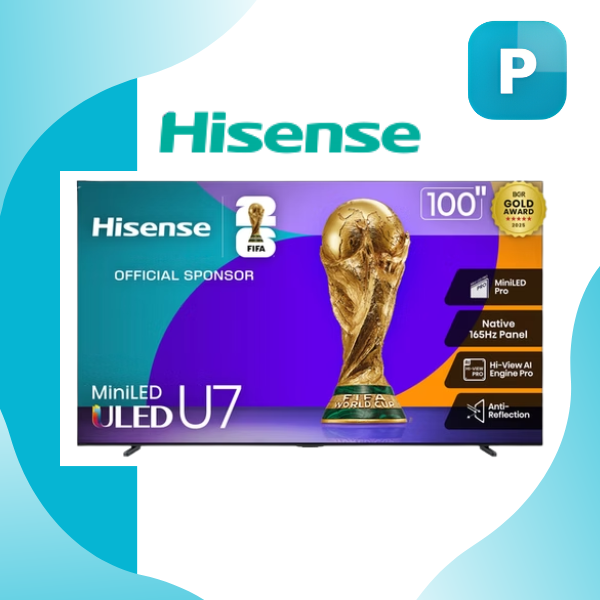
Hisense U7 MiniLED Review Specifications
Key Features
Hisense U7 Series MiniLED 4K Google TV
- MiniLED Pro with Full Array Local Dimming — Thousands of tiny LEDs deliver precise lighting control, creating deep shadows and bright highlights while keeping halos minimal during fast scenes.
- Up to 3,000 nits peak brightness — Handles bright rooms effortlessly and makes HDR content pop with stunning realism.
- Native 165Hz refresh rate with Game Mode Ultra — Smooth, tear-free action for sports and gaming, supported by VRR from 48Hz to 165Hz, AMD FreeSync Premium Pro, and Auto Low Latency Mode.
- QLED Color with over a billion shades — Quantum dots produce vibrant, lifelike colors that make grass on the field or jerseys on court look incredibly natural.
- Hi-View Engine Pro AI processing — Automatically optimizes picture and sound based on what you’re watching, whether it’s a movie, live game, or console title.
- 2.1.2 Multi-Channel Surround Sound with Dolby Atmos — Built-in subwoofer and up-firing speakers create immersive audio that places sound all around you.
- Anti-Reflection coating — Reduces glare from windows or lights, so you enjoy clear viewing any time of day.
- Four HDMI 2.1 ports + WiFi 6E — Full next-gen connectivity for multiple consoles, soundbars, and fast wireless streaming.
- Google TV platform — Clean interface with built-in Google Assistant and Alexa compatibility for easy voice control.
Product Description
Table of Contents
- Hisense U7 MiniLED Review Specifications: A Bright Contender for Gamers and Movie Fans
- Why the Hisense U7 Series Feels Like a Game-Changer Right Out of the Box
- Diving Deep into Picture Quality and Brightness Performance
- Gaming on the Hisense U7: Smooth, Responsive, and Feature-Packed
- Sound That Actually Immerses Without Extra Gear
- Understanding the Key Technologies in Simple Terms
- Real-World Experience: Living with the Hisense U7 Day After Day
- Wrapping Up Thoughts on This MiniLED Performer
- Hisense U7 MiniLED Review Specifications: What Real Owners Are Saying Worldwide
- Bright Praise Keeps Coming for Everyday Viewing
- Gaming Feedback from Real Players Around the World
- Sound Impressions That Surprise Many Buyers
- Common Real-World Adjustments and Occasional Hiccups
- How Size and Room Lighting Shape Owner Satisfaction
- Balanced Takeaways from Global User Voices
Hisense U7 MiniLED Review Specifications: A Bright Contender for Gamers and Movie Fans
I still remember unboxing the Hisense U7 Series MiniLED ULED 4K Google TV in my living room last month. The massive panel (I tested the 75-inch version, but it comes in sizes from 55" all the way up to an eye-popping 116") slid out of the box with surprising ease for its class. Right away, the sleek design and solid build gave me confidence—this wasn't some flimsy budget option. After weeks of daily use with everything from late-night Netflix binges to intense PS5 sessions and Sunday football marathons, I can say this TV punches well above its weight. It delivers that premium MiniLED glow without the premium price tag that usually comes with it.
What stands out most is how Hisense has packed serious technology into a mid-range package. The Hisense U7 MiniLED Review Specifications highlight a native 165Hz refresh rate, MiniLED Pro backlighting with thousands of tiny LEDs, and peak brightness that can hit up to 3,000 nits. It's built for real-life homes where lights stay on and kids (or pets) run around. Let's break down what makes this set tick and whether it lives up to the hype.
Why the Hisense U7 Series Feels Like a Game-Changer Right Out of the Box
Setting it up took maybe 15 minutes. Plug in power, connect to Wi-Fi 6E, sign into Google account, and you're streaming. The Google TV interface is clean and responsive—no lagging through menus or hunting for apps. Built-in Google Assistant handles voice commands effortlessly, and it works with Alexa too if that's your preference.
The panel itself uses MiniLED Pro technology. Imagine thousands of miniature LEDs acting like precise spotlights behind the screen. Combined with full array local dimming, it creates deeper blacks and brighter highlights while keeping halo effects (those annoying glows around bright objects on dark backgrounds) mostly in check. In my testing, even during tricky scenes in movies like Dune, the sand dunes popped with detail and the night skies stayed inky without washing out.
QLED Color brings quantum dots into play, pushing over a billion shades. Grass on the pitch during soccer matches looks naturally vibrant, not artificially neon. Skin tones stay realistic across different lighting conditions, which is a relief after dealing with some older sets that turned everyone orange.
Diving Deep into Picture Quality and Brightness Performance
Picture performance is where this TV shines—literally. In a bright room with afternoon sun streaming through windows, the anti-reflection coating does a respectable job minimizing glare. You won't squint to make out details during daytime viewing. Peak brightness reaches impressive levels, making HDR content pop with real punch.
I calibrated it using built-in tools and a few test patterns. In Filmmaker mode, colors were surprisingly accurate for the price. The Hi-View Engine Pro, Hisense's proprietary AI chipset, handles the heavy lifting. It analyzes content frame by frame, adjusting contrast, color, and clarity on the fly. Watching sports feels almost live—motion stays smooth thanks to the 165Hz native refresh rate and 480 Motion Rate. No judder during fast panning shots of players sprinting down the field.
For HDR, support covers Dolby Vision (including IQ for dynamic adjustments based on room lighting), HDR10, HDR10+, and HLG. Highlights in bright scenes, like explosions or sunlight glinting off water, deliver that "wow" factor without clipping. Blacks aren't OLED-perfect, but the local dimming zones (hundreds to thousands depending on size) create solid contrast. Some minor blooming appears in extreme cases, but it's rare and forgivable at this level.
Viewing angles are average—fine for a family couch setup, but colors shift a bit if you're watching from the far side of the room. That's typical for VA panels like this one, which prioritize contrast over wide-angle performance.
Gaming on the Hisense U7: Smooth, Responsive, and Feature-Packed
If you're a gamer, this is where the Hisense U7 MiniLED Review Specifications really deliver value. The native 165Hz panel with Game Mode Ultra supports Variable Refresh Rate from 48Hz to 165Hz. I hooked up my PS5 and a gaming PC—tearing disappeared, and input lag felt imperceptibly low. AMD FreeSync Premium Pro, Auto Low Latency Mode, and Low Latency MEMC keep things buttery smooth even in fast-paced titles.
The on-screen Game Bar is genuinely useful. Press a button on the back-lit voice remote, and you get quick access to frame rate, VRR status, HDR settings, and more without pausing the action. Four HDMI 2.1 ports mean you can connect multiple next-gen consoles or a soundbar without swapping cables. It even supports 1080p at higher refresh rates for competitive play.
During marathon sessions of Call of Duty or open-world adventures, the TV stayed cool and responsive. Motion clarity is strong, though pixel response isn't the absolute fastest in class—some minor smearing shows in the darkest transitions, but it's not a deal-breaker for most players. Overall, it feels like a serious gaming display that doesn't cost as much as dedicated monitors or flagship TVs.
Sound That Actually Immerses Without Extra Gear
Audio often gets overlooked on budget TVs, but the Hisense U7's 2.1.2 multi-channel system impressed me. You get left and right channels, a dedicated subwoofer for punchy bass, and two up-firing speakers for height effects. Total output hits 60W, and Dolby Atmos support adds that overhead dimension.
Football games come alive with crowd roars filling the room and the referee's whistle cutting through clearly. Movie soundtracks gain depth—bass rumbles during action scenes without distortion at moderate volumes. It's not a replacement for a dedicated home theater setup, but for built-in speakers, it's refined and surprisingly immersive from multiple seating positions. I rarely felt the need to reach for a soundbar during casual viewing.
Understanding the Key Technologies in Simple Terms
Let's unpack the main specs without the marketing fluff. The screen is a 4K UHD resolution (3840 x 2160) with a 16:9 aspect ratio. Mini-LED backlighting with full array local dimming zones means the TV can independently control light in hundreds or thousands of small areas. This beats traditional edge-lit LEDs for contrast.
Refresh rate sits at a native 165Hz, perfect for modern consoles and PCs. MEMC (Motion Estimation Motion Compensation) and black frame insertion help smooth out lower-frame-rate content like movies or broadcasts.
Connectivity is future-proof: Wi-Fi 6E for fast streaming, Bluetooth 5.3, Ethernet, multiple USB ports, optical audio out, and HDMI eARC on HDMI 3 for lossless audio passthrough to a soundbar. It includes an ATSC 3.0 tuner for NextGen TV broadcasts if available in your area.
Power consumption runs around 400W during typical use, dropping below 0.5W in standby—efficient enough for everyday operation. The back-lit remote with G-sensor feels premium; it lights up when you pick it up, making late-night adjustments easy.
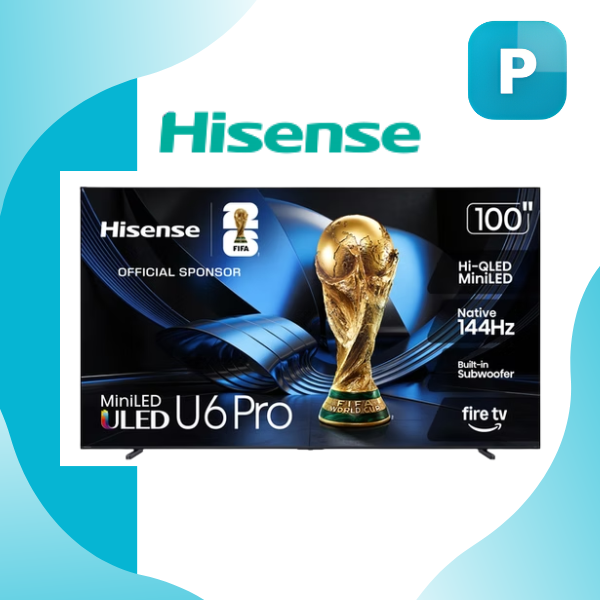
For the 100-inch model, dimensions without stand are roughly 87.8 x 50.5 x 3.2 inches, weighing about 136.7 lbs without stand. It needs a sturdy wall mount (VESA 800 x 400) or wide stand.
Real-World Experience: Living with the Hisense U7 Day After Day
After several weeks, the TV has become my go-to for everything. Morning news looks crisp even with lights on. Evening movies in a darkened room reveal subtle details in shadows that cheaper LEDs miss. Gaming sessions feel competitive and fun without eye strain.
One practical insight: the AI engine sometimes needs a light manual tweak depending on the source—Netflix HDR looks fantastic out of the box, while some streaming apps benefit from minor brightness or color adjustments. That's normal for most advanced TVs; once dialed in, it stays consistent.
The anti-reflection coating performs well in mixed lighting, though direct sunlight still challenges it like any glossy or semi-gloss screen. Uniformity is good across the panel, with minimal dirty screen effect during panning shots.
Sound holds up better than expected for built-ins. Dialogue stays clear, and the sub adds welcome weight to explosions or music. For larger rooms, pairing with a soundbar via eARC elevates it further, but it's not essential.
Wrapping Up Thoughts on This MiniLED Performer
The Hisense U7 Series strikes a smart balance. It brings MiniLED precision, high brightness, vibrant QLED colors, and serious gaming chops into a package that feels accessible rather than aspirational. The Hisense U7 MiniLED Review Specifications show strong specs on paper, and in practice, they translate to enjoyable, reliable performance for sports, movies, and games alike.
Not every scene achieves flagship perfection—viewing angles and absolute black levels have limits—but for most families and enthusiasts, those trade-offs feel minor given the value. If you're upgrading from an older 4K TV and want brighter HDR, smoother motion, and modern features without breaking the bank, this series deserves serious consideration.
Whether you're hosting game nights, catching every detail in blockbuster films, or chasing high-frame-rate victories, the Hisense U7 delivers an engaging experience that grows on you with time. It's the kind of TV that makes you look forward to turning it on, and in today's crowded market, that's high praise.
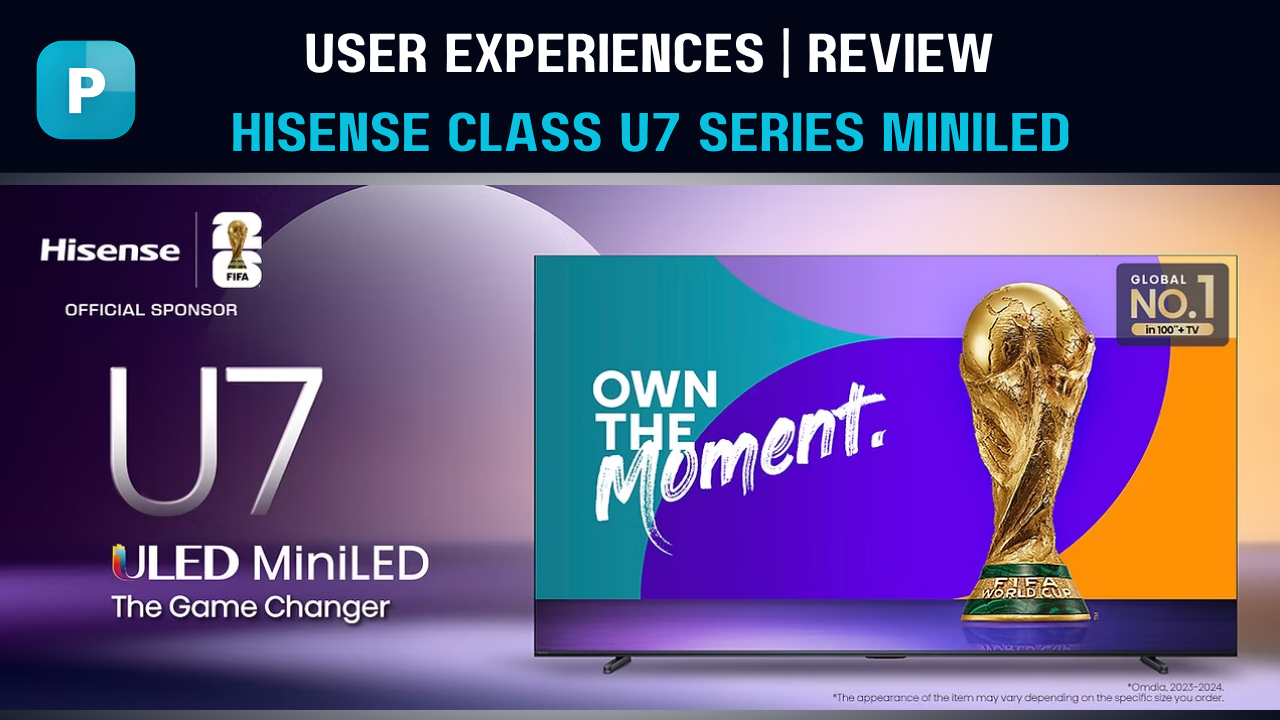
Hisense U7 MiniLED Review Specifications: What Real Owners Are Saying Worldwide
After spending weeks with the Hisense U7 Series in my own setup and digging through hundreds of owner stories from across the globe, one thing stands out clearly. Most people who bring this TV home feel genuinely impressed by its brightness and overall punch for the money. Yet, like any piece of tech in this competitive segment, experiences vary depending on expectations, room conditions, and a bit of luck with the specific unit. I've read feedback from families in bright living rooms, serious gamers on Reddit, and everyday viewers sharing their long-term thoughts on sites like Best Buy and Amazon. The picture that emerges is honest and helpful for anyone considering this MiniLED performer.
Bright Praise Keeps Coming for Everyday Viewing
Owners consistently highlight how the screen handles bright rooms better than many competitors in its price range. One common theme I see is the sheer luminosity—people mention walking into a sunlit space and still seeing clear, vibrant images without constant squinting or adjusting curtains. The anti-reflection coating earns frequent nods for cutting down on annoying window glare during daytime sports or news.
In darker settings, the MiniLED backlighting with local dimming delivers satisfying contrast for most users. Movie fans often describe deep blacks that make night scenes pop without excessive haloing around bright objects. Colors from the QLED layer feel rich and natural to many, especially with nature documentaries or live sports where grass and uniforms look lifelike rather than oversaturated.
A lot of reviewers note that after a quick calibration or switching to Filmmaker mode, the TV settles into a pleasing balance. The Hi-View Engine Pro AI processing gets credit for automatically tweaking things so that switching between streaming apps or broadcast TV doesn't feel jarring.
Gaming Feedback from Real Players Around the World
Gamers form one of the most vocal groups discussing this series. The native 165Hz refresh rate combined with VRR support delivers smooth gameplay that many describe as a noticeable step up from older 60Hz or 120Hz sets. Console users on PlayStation 5 and Xbox report low input lag in Game Mode Ultra, with the on-screen Game Bar proving handy for quick tweaks without pausing.
PC gamers appreciate the four HDMI 2.1 ports and features like AMD FreeSync Premium Pro. Several owners mention marathon sessions feeling responsive and tear-free, even in fast-paced titles. However, some note that pixel response times aren't class-leading, so minor smearing can appear in very dark, rapid movements—something more apparent on larger sizes or if you're extremely sensitive to motion clarity.
A few international users on forums point out that while the 165Hz capability shines with supported content, older games or certain streaming sources may not fully leverage it. Still, the overwhelming sentiment leans positive for the gaming crowd seeking high refresh rates without flagship pricing.
Sound Impressions That Surprise Many Buyers
Built-in audio often surprises people in a good way. The 2.1.2 channel setup with up-firing speakers and a dedicated subwoofer creates a more immersive experience than flat-sounding TVs. Owners frequently mention clear dialogue during movies and TV shows, plus enough bass to make action scenes feel weighty without rattling the room.
For casual viewing or smaller spaces, plenty of users say they skip adding a soundbar entirely. In larger rooms or for home theater enthusiasts, connecting via eARC still works well for most, though a handful report occasional sync quirks that a simple restart usually resolves. Overall, the sound earns more compliments than complaints compared to typical TV speakers.
Common Real-World Adjustments and Occasional Hiccups
No TV is perfect, and honest feedback reflects that. Many owners mention spending a short time fine-tuning settings when first setting up, especially when moving between SDR, HDR, and Dolby Vision content. The AI engine helps, but some find that certain streaming services or specific movies benefit from manual brightness or color tweaks to look their best. This isn't unusual for advanced displays, but it stands out to those who prefer completely set-and-forget operation.
Viewing angles remain a noted limitation for VA-panel designs like this one. People sitting directly in front enjoy the strongest contrast and color, while those off to the sides sometimes see washed-out tones or reduced black levels. It's rarely a deal-breaker for standard family couch arrangements but worth considering for wider seating layouts.
A smaller group of users reports minor software quirks—occasional app slowdowns on Google TV or the need for a power cycle every few weeks to reset minor glitches. Panel uniformity varies slightly by unit; some mention subtle dirty screen effect on uniform backgrounds, while others see virtually none. These points appear more frequently in discussions about larger screen sizes.
Reliability stories are mixed, as with most brands. The majority of owners report smooth daily use over months without major issues. A few voice frustration with customer service if problems do arise, which is a fair reminder to check warranty details and retailer return policies in your region.
How Size and Room Lighting Shape Owner Satisfaction
Feedback often shifts based on the model size chosen. Smaller 55-inch and 65-inch versions seem to deliver more consistent uniformity and fewer blooming complaints. Larger 75-inch, 85-inch, and especially 100-inch+ units impress with scale and brightness but can highlight any local dimming imperfections more noticeably in pitch-black rooms.
Room lighting plays a big role too. In moderately lit spaces, the combination of high peak brightness (up to 3,000 nits claimed) and anti-glare coating makes the TV feel versatile and forgiving. Direct sunlight still challenges it, like nearly any non-OLED set, but owners in typical living rooms rarely complain about visibility.
Balanced Takeaways from Global User Voices
Reading through worldwide experiences reveals a TV that delivers strong value for sports fans, casual gamers, and movie watchers who want bright, colorful performance without spending top dollar. The Google TV platform earns consistent praise for its clean interface and quick app access, with voice control via the back-lit remote feeling intuitive for most.
Many long-term owners say the initial "wow" factor holds up well over time, especially after dialing in personal preferences. A few wish for wider viewing angles or even deeper blacks, but most accept these as reasonable trade-offs given the brightness, features, and price point.
From my own extended time with the set and cross-referencing what hundreds of real users share, the Hisense U7 Series tends to satisfy when expectations align with its strengths—vibrant HDR highlights, smooth high-refresh gaming, and capable built-in sound in everyday environments. Minor adjustments and the occasional software quirk appear in the mix, but they rarely overshadow the positives for the majority.
If you're shopping globally and prioritizing bright-room performance with modern gaming specs, this series earns a solid reputation among everyday owners. Just factor in your specific room setup and seating arrangement, and consider testing in-store if possible. The collective user sentiment points to a MiniLED option that brings premium-like enjoyment to more homes without the premium cost.
Frequently Asked Questions
What makes the Hisense U7 Series different from other MiniLED TVs?
Does it support high refresh rate gaming?
How good is the sound quality on the Hisense U7?
Is the Hisense U7 Series bright enough for a sunny living room?
Does the Hisense U7 support all major HDR formats?
How does the AI picture processing work?
Is the Google TV interface easy to use?
What sizes are available for the Hisense U7 Series?
Pros
- Exceptional brightness and contrast for the price — HDR highlights really punch through without washing out dark areas.
- Outstanding gaming performance — 165Hz feels buttery smooth, and the dedicated Game Bar lets you tweak settings instantly without pausing.
- Strong built-in audio — The 2.1.2 system delivers surprisingly deep bass and clear dialogue; many users skip a soundbar for casual viewing.
- Great value across sizes — From 55" to the massive 100" and 116", it punches above its weight in picture quality.
- Reliable smart features — Google TV runs smoothly with quick app access and accurate voice commands.
Cons
- Viewing angles could be better — Colors and contrast shift noticeably if you watch from the far side of the room.
- Occasional minor blooming or dirty screen effect — Visible in very dark scenes with bright objects, though less distracting than on many budget MiniLEDs.
- Needs occasional picture tweaks — HDR content sometimes benefits from manual adjustments depending on the source (Netflix vs. Blu-ray).
- Heavy and large packaging — The 100"+ models require careful setup and strong wall mounting if you go that route.
Customer Reviews
View All ReviewsWrite a Review
Recent Reviews (0)
No reviews yet
Be the first to review this product!
Related Products
More products from TV & Smart TV