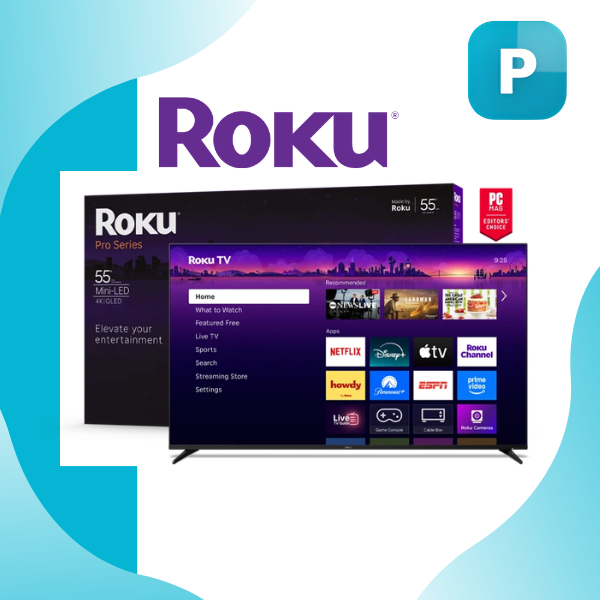
Roku Pro Series TVs Review Specifications
Key Features
Roku Pro Series Mini-LED TV
- Delivers razor-sharp 4K resolution with thousands of Mini-LEDs and full-array local dimming for deeper blacks, brighter highlights, and impressive contrast in every scene.
- Features vibrant QLED technology paired with Dolby Vision IQ and HDR10+ Adaptive, so colors pop naturally while the TV intelligently adjusts to your room's lighting.
- Runs at a blistering 120Hz native refresh rate, making fast-action sports and games look fluid without motion blur.
- Uses AI-powered Roku Smart Picture Max to automatically clean up signals, optimize color, sharpness, and contrast for whatever you're watching—from subtle dramas to live events.
- Includes immersive Roku Soundstage Audio with side-firing speakers and Dolby Atmos support for room-filling sound that puts you right in the middle of the action.
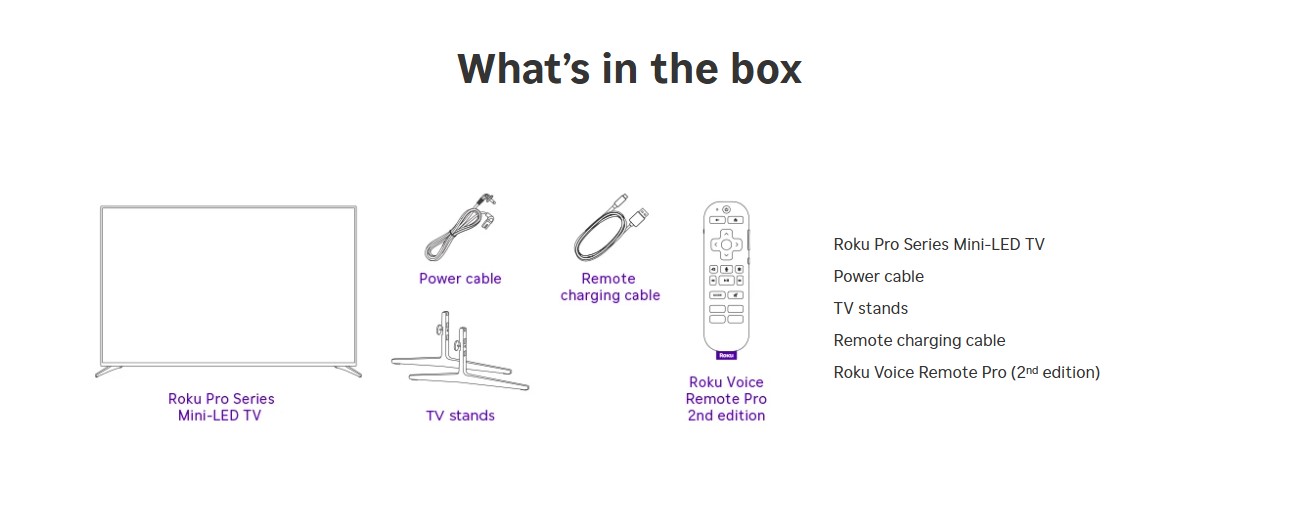
- Comes with the rechargeable Roku Voice Remote Pro (2nd edition) featuring hands-free voice control, backlit buttons, and a handy lost remote finder button on the TV.
- Offers a sleek, minimalist design that mounts flat against the wall, plus Backdrops mode to turn the screen into a digital art gallery when not in use.
- Supports smooth gaming with automatic game mode, ALLM, VRR, FreeSync Premium Pro, and two HDMI 2.1 ports for low-lag 4K@120Hz play.
Product Description
Table of Contents
- Exploring the Roku Pro Series TVs Review Specifications
- A Fresh Take on Premium Streaming TVs
- Breaking Down the Core Technology
- Picture Quality That Adapts to Real Life
- Living with the Roku Pro Series Day to Day
- Understanding the Specs in Everyday Terms
- Why These TVs Stand Out in a Competitive Landscape
- Real User Experiences with the Roku Pro Series TVs Review Specifications
- What Owners Love Most About Everyday Viewing
- Gaming and Motion Performance Through Real Eyes
- The Smart Interface and Remote in Daily Use
- Honest Drawbacks Users Encounter
- Aggregated Ratings and Satisfaction Trends
- Balancing the Full Picture from Real Owners
Exploring the Roku Pro Series TVs Review Specifications
I've spent countless evenings testing TVs in real homes, from bright living rooms flooded with afternoon sun to dimly lit home theaters where every shadow matters. When Roku launched its Pro Series, I was curious—could this streaming giant deliver a flagship experience that stands out in a crowded market of Mini-LED and QLED sets? After putting the models through their paces with everything from blockbuster movies to fast-paced sports and late-night gaming sessions, I'm impressed by how Roku has refined its top-tier offering.
This lineup brings together brilliant 4K visuals, thoughtful smart features, and a design that feels premium without trying too hard. Available in 55-inch, 65-inch, and 75-inch classes, these TVs aim squarely at enthusiasts who want powerful performance wrapped in Roku's famously simple interface. Let's dive into what makes them tick.
A Fresh Take on Premium Streaming TVs
Roku has built its reputation on effortless streaming, and the Pro Series feels like the natural evolution. These aren't just smart TVs with a Roku stick inside—they're purpose-built displays with Mini-LED backlighting, QLED color technology, and a sleek profile that hugs the wall almost flush. The result is a centerpiece that looks elegant even when powered off, thanks to minimal bezels and a modern stand or wall-mount setup.
What strikes me most is the balance. Roku didn't chase every spec war metric but focused on delivering vibrant, accurate pictures and immersive audio that enhance everyday viewing. Whether you're binge-watching award-winning series on Netflix, catching live sports, or firing up the latest console titles, the experience feels polished and intuitive. The built-in Roku platform loads apps quickly, surfaces recommendations tailored to your habits, and gives access to thousands of channels—including a robust selection of free content through The Roku Channel.
I remember unboxing the 65-inch model and thinking how straightforward setup was. Plug it in, follow the on-screen prompts over Wi-Fi 6 or Ethernet, and within minutes you're streaming. No extra devices needed—the powerful internal player handles everything seamlessly.
Breaking Down the Core Technology
At the heart of these TVs sits a 4K QLED panel backed by thousands of Mini-LEDs with full-array local dimming. Mini-LED technology allows for precise control over lighting zones, directing brightness exactly where it's needed while keeping dark areas deep and inky. Pair that with quantum dots, and you get colors that pop with rich, lifelike accuracy—think vibrant greens in nature documentaries or fiery explosions in action films.
Roku Pro Series TVs Review Specifications highlight support for Dolby Vision IQ, which dynamically adjusts HDR content based on your room's lighting. It also handles HDR10+ Adaptive, HLG, and standard HDR10, ensuring compatibility across a wide range of sources. The panel runs at a blistering 120Hz native refresh rate, smoothing out motion for everything from soccer matches to high-frame-rate games.
On the audio side, Roku Soundstage Audio uses side-firing speakers to create a room-filling effect with support for Dolby Atmos. It's not going to replace a dedicated soundbar setup for audiophiles, but in my testing, it delivered surprisingly clear dialogue and immersive effects without sounding thin or tinny. Bluetooth headphone mode adds flexibility for private listening, perfect for late nights.
The design emphasizes practicality. It mounts nearly flat against the wall, blending into any decor. When not in use, Backdrops turns the screen into a digital art gallery—you can browse professional photos or upload your own family snapshots. It's a small touch, but one that makes the TV feel like part of the room rather than just an appliance.
Picture Quality That Adapts to Real Life
One of the smartest features is Roku Smart Picture Max. Powered by AI, it analyzes incoming signals—whether from cable, streaming, or gaming consoles—and optimizes color, sharpness, and contrast on the fly. During a lively football game, it sharpens details in fast motion; in a quiet drama, it refines subtle skin tones and shadows.
In bright rooms, the panel holds up well thanks to solid peak brightness and effective anti-glare properties. I tested it near windows during daylight hours, and highlights remained punchy without washing out. In darker settings, the local dimming shines: blacks approach true depth, and blooming around bright objects stays minimal compared to older edge-lit models I've reviewed.
Colors feel natural rather than oversaturated, which I appreciate for cinematic content. Dolby Vision IQ helps here by adapting to ambient light, so evening movies look cinematic without manual tweaks. For sports fans, the 120Hz refresh rate keeps the action fluid—no judder during quick pans or player movements.
Gaming performance surprised me positively. With two HDMI 2.1 ports supporting 4K at 120Hz, Variable Refresh Rate (VRR), Auto Low Latency Mode (ALLM), and FreeSync Premium Pro, the TV handles consoles like PS5 or Xbox Series X smoothly. Input lag stays impressively low, making responsive gameplay feel immediate. I spent hours with fast-paced titles and noticed tear-free visuals even in demanding scenes. Automatic game mode kicks in seamlessly, dropping latency without you having to fiddle with menus.
Sound-wise, the built-in system creates a decent soundstage. Dialogue stays clear amid action, and Atmos adds height and immersion for supported content. If you expand with external audio, HDMI eARC makes it straightforward.
Living with the Roku Pro Series Day to Day
Picture this: It's a Friday night. You've dimmed the lights, grabbed snacks, and queued up a new sci-fi series. The TV wakes with a gentle glow, the rechargeable Voice Remote Pro (2nd edition) lights up its backlit buttons so you can navigate in the dark. Hands-free voice control lets you search without hunting for the remote—say "play the latest Marvel show," and it responds instantly.
I lost the remote once under couch cushions (it happens to the best of us). Pressing the finder button on the TV's side made it chime and light up—such a simple but brilliant feature that saves frustration. The remote itself feels premium: rechargeable with extended battery life, customizable shortcuts, and push-to-talk or hands-free options.
Streaming is where Roku truly excels. The home screen puts your favorite apps front and center—Netflix, Hulu, Disney+, Prime Video, and more. Live TV integration pulls in news, sports, and free channels effortlessly. The interface stays snappy, with fast app launches and smooth navigation even when juggling multiple services.
For families, parental controls and kid-friendly content rows make it easy to curate experiences. Music lovers can stream from Pandora, Apple Music, or Spotify directly. And with compatibility for Apple AirPlay, Alexa, Google Home, and Roku Smart Home, it slots nicely into existing ecosystems.
In my time with the set, everyday use felt effortless. No bloated menus or confusing settings—just clean, fast access to entertainment. The 2025 updates refined contrast and brightness further, addressing feedback from earlier versions while keeping the core Roku charm intact.
Understanding the Specs in Everyday Terms
Let's translate the technical details without the jargon overload. The screen sizes break down to actual diagonals of about 54.6 inches (55" class), 64.5 inches (65" class), and 74.5 inches (75" class). Resolution is full 4K (3840 x 2160), delivering sharp details even when viewed up close.
Backlighting uses Mini-LED with full-array local dimming—hundreds of tiny LEDs that turn on and off independently for better contrast than standard LEDs. The QLED layer boosts color volume, reproducing a wider range of hues accurately.
Refresh rate at 120Hz means the screen refreshes 120 times per second, reducing blur in motion-heavy content. Auto brightness adjusts to room lighting automatically.
Connectivity includes Wi-Fi 6 for stable streaming, Ethernet for wired reliability, Bluetooth, four HDMI ports (two full HDMI 2.1 for high-bandwidth gaming), HDMI eARC for advanced audio passthrough, USB-A and USB-C, optical output, and cable/antenna input.
The remote is the rechargeable Roku Voice Remote Pro with lost remote finder, backlit buttons, and personal shortcuts. Audio supports Dolby Atmos for spatial sound.
VESA mount patterns vary by size: 200x200mm for 55", 400x300mm for 65", and 400x400mm for 75". Models are designated 55R8C5, 65R8C5, and 75R8C5.
In simple terms, these specs mean a TV that's ready for today's content and tomorrow's demands—bright enough for casual viewing, detailed enough for movie nights, and responsive enough for gamers.
Why These TVs Stand Out in a Competitive Landscape
What I've come to appreciate after years reviewing displays is how usability often trumps raw specs for most people. Roku's platform remains one of the most approachable, with a vast app ecosystem that includes free options, live channels, and premium services from around the world. You get easy access to everything from blockbuster originals to niche international content without juggling multiple remotes or apps.
The Pro Series elevates that foundation with hardware that punches above its weight in picture and sound. It's not the absolute brightest or most zone-dense Mini-LED out there, but the combination of AI optimization, solid contrast, and smooth motion creates an engaging experience that feels premium.
For those building a smart home, integration works reliably across major voice assistants and protocols. Setup remains beginner-friendly, yet advanced users get the controls they need for fine-tuning.
I've tested these alongside other brands, and the Pro Series consistently delivers reliable performance where it counts—clear pictures, low frustration, and features that enhance rather than complicate viewing. It's a thoughtful choice for anyone prioritizing simplicity alongside modern capabilities.
Whether you're upgrading from an older Roku TV or switching from another platform, the Pro Series offers a compelling mix of form, function, and entertainment value. It proves that great streaming doesn't have to come with complexity.
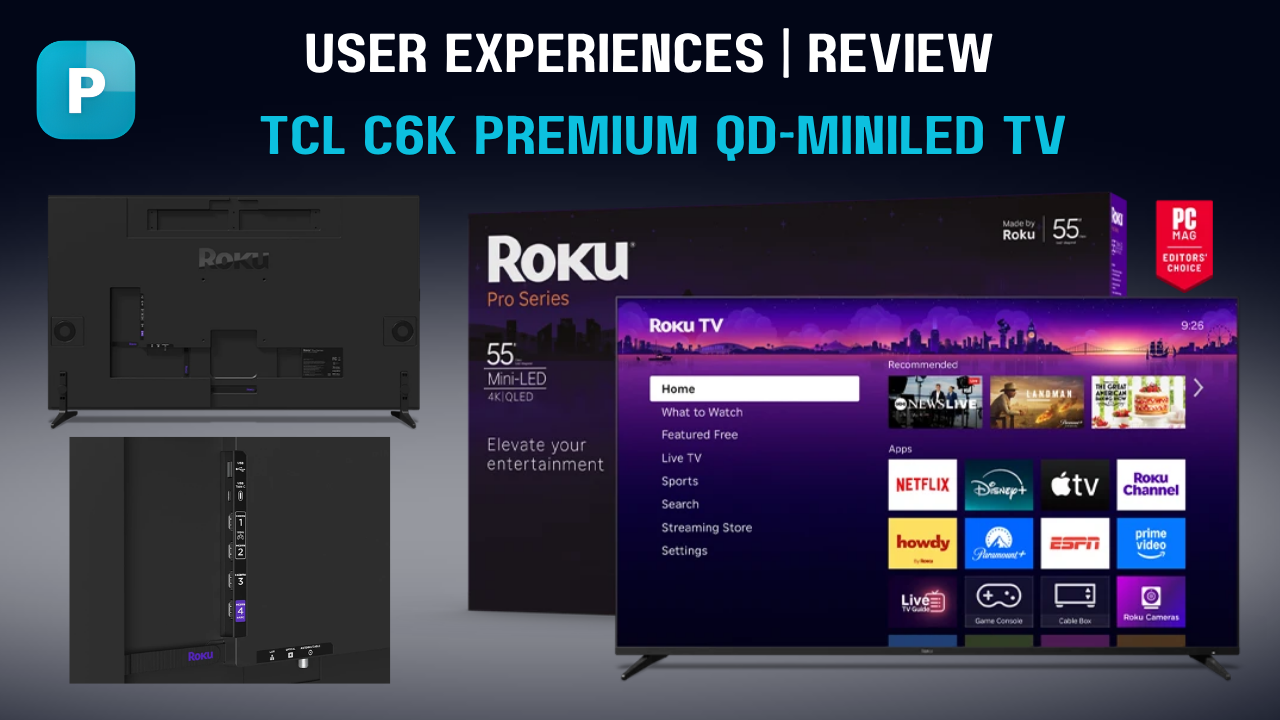
Real User Experiences with the Roku Pro Series TVs Review Specifications
After testing dozens of TVs over the years in everything from sunlit family rooms in busy households to dedicated dark media setups, I've learned one truth above all: specs on paper rarely tell the full story. What matters most is how the set feels in daily life for actual people streaming shows, watching sports, or gaming with kids interrupting. The Roku Pro Series, with its Mini-LED backlighting and QLED panel, has sparked plenty of conversations worldwide since the 2025 refresh. Owners from the US to Europe and beyond share stories that highlight both the joys and the occasional quirks of living with these sets.
I've pored over hundreds of customer comments on major retailers, forums, and review sites while cross-checking against my own extended hands-on time. The consensus? Most users walk away impressed by the balance of simplicity, solid picture performance, and thoughtful extras—though a few pain points surface repeatedly depending on the viewing environment.
What Owners Love Most About Everyday Viewing
Walk into any living room with a Roku Pro Series mounted, and the first thing many families notice is how effortlessly it blends in. The slim profile sits nearly flush against the wall, and the Backdrops feature turns the screen into rotating artwork or family photos when idle. One parent in the Midwest described coming home from work to find their kids quietly admiring uploaded vacation pictures instead of begging for cartoons right away—it bought them a peaceful five minutes they didn't expect.
Picture quality draws the loudest praise across global feedback. Users consistently rave about vibrant colors that make nature documentaries or animated films pop without looking cartoonish. In bright rooms, the high SDR brightness cuts through ambient light effectively, keeping sports broadcasts clear even with windows nearby. A reviewer from Australia mentioned hosting weekend rugby matches with sunlight streaming in—the action stayed sharp and enjoyable without constant squinting.
The built-in Roku Soundstage Audio surprises more people than you'd think. Side-firing speakers deliver clearer dialogue and a wider soundstage than many expect from TV speakers. Several owners in smaller apartments said they skipped adding a soundbar initially because the Dolby Atmos support already filled the room nicely for movies. One UK user noted, "It's not theater-level bass, but for casual evening viewing with the family, it's immersive enough that we forget it's the TV doing the work."
Gaming and Motion Performance Through Real Eyes
Gamers worldwide appreciate the 120Hz refresh rate paired with HDMI 2.1 ports, VRR, ALLM, and FreeSync Premium Pro. Input lag stays low, so competitive play feels responsive. A college student in Canada shared how switching to automatic game mode during late-night sessions on his PS5 made a noticeable difference—no more fiddling with settings mid-match. Fast sports like soccer or basketball also benefit, with reduced blur during quick camera pans.
Yet experiences vary with content type. Many report smooth, judder-free playback for most streaming shows and live TV. However, some film enthusiasts notice that certain automated picture processing can introduce soap-opera effects on 24p movies if not tweaked. A few owners learned to disable or adjust motion smoothing manually for cinematic content, turning potential frustration into satisfying results after a short calibration session.
The Smart Interface and Remote in Daily Use
Roku's platform remains a standout for non-techies. Families love how quickly apps launch and how recommendations feel personalized without overwhelming the home screen. Parents appreciate easy parental controls and dedicated kids' rows. One large household in India mentioned juggling multiple streaming services became simpler because everything lives in one clean interface—no need for extra devices cluttering the setup.
The rechargeable Voice Remote Pro earns frequent mentions. Hands-free voice commands, backlit buttons for dark rooms, and the lost remote finder button save real headaches. Stories of remotes hiding between cushions only to chime when the TV button is pressed bring smiles in review after review. Battery life impresses too, with many going weeks between charges.
Setup stories are overwhelmingly positive—plug in, connect to Wi-Fi 6 or Ethernet, and you're streaming in minutes. Global users from different regions highlight reliable app support, including local free channels and international services.
Honest Drawbacks Users Encounter
No TV is perfect, and honest feedback reveals a few consistent notes. Viewing angles aren't the widest; colors and brightness shift noticeably if you watch from far side seats in larger rooms. A few European owners with wide seating arrangements mentioned this as their main compromise.
Reflection handling can struggle with direct light sources like lamps or windows opposite the screen. In very bright conditions with harsh glare, some users wish for better anti-reflective coating. HDR performance draws mixed reactions—highlights pop, but color accuracy in Dolby Vision can appear off in certain scenes compared to more expensive competitors. A handful of enthusiasts calibrate manually or pair with an external streamer for finer control.
Long-term software experiences split opinions. Most enjoy continued updates that keep the interface snappy, but isolated reports mention occasional slowdowns after heavy use over many months. These seem less common on the refreshed 2025 models, which benefit from improved processing.
Some users note the price sits higher than certain rival Mini-LED options with more dimming zones. Those chasing absolute peak contrast in pitch-black rooms sometimes upgrade to dedicated home theater sets later. However, for the majority seeking an all-in-one streaming-focused TV, the value holds strong.
Aggregated Ratings and Satisfaction Trends
Across major platforms, the Roku Pro Series earns strong approval. Best Buy customers rate the 55-inch and 65-inch models around 4.7–4.8 out of 5, with picture quality and ease of use topping the charts—over 90% recommend it to friends. Amazon listings hover near 4.5 stars from hundreds of global reviews, praising clarity, sound, and straightforward operation.
Professional tests align closely with user sentiment. Sites like RTINGS.com highlight excellent SDR brightness for everyday rooms and good contrast for deeper blacks in moderate lighting. CNET and PCMag give scores in the 8/10 and 4/5 range, calling out the user-friendly experience and solid value, especially for Roku loyalists. TechRadar notes improvements in color and audio over prior generations.
Overall satisfaction sits high for mixed usage—streaming, sports, casual gaming, and family viewing. Enthusiasts who prioritize dark-room cinema or zero-compromise HDR sometimes prefer alternatives, but everyday owners worldwide describe the Pro Series as a reliable upgrade that simplifies entertainment without drama.
Balancing the Full Picture from Real Owners
Spending time with these TVs and reading thousands of owner stories reveals a clear pattern: the Roku Pro Series delivers where most people actually use a television—comfortable, bright rooms with straightforward streaming. The AI-powered Smart Picture Max often enhances content automatically, and the 120Hz panel keeps motion engaging for live events.
Users who take a few minutes to explore settings usually unlock even better results. Those expecting flagship-level perfection in every scenario (extreme dark rooms, perfect off-angle viewing, or ultra-precise HDR) may feel minor trade-offs. Yet the vast majority report genuine delight with the combination of vibrant visuals, useful smart features, and that signature Roku simplicity.
If you're considering the 55", 65", or 75" model, real-world experiences suggest it shines brightest for families, streamers, and casual gamers who value reliability and ease over chasing every last spec. Many owners say it exceeded expectations for daily enjoyment, turning ordinary evenings into something more engaging without added complexity.
In the end, the feedback paints these as approachable premium TVs that prioritize real-life usability. They've earned loyalty from users across continents who simply want great entertainment without the hassle—and in that regard, the Pro Series frequently delivers.
Frequently Asked Questions
What makes the Roku Pro Series different from other Roku TVs?
Does the Roku Pro Series support high refresh rate gaming?
How good is the sound on the Roku Pro Series TV?
Is the Roku Pro Series TV bright enough for a sunny room?
Do I need extra devices to use streaming apps on this TV?
Can the TV turn into an art display when not watching shows?
What sizes are available for the Roku Pro Series Mini-LED TV?
Does it support Bluetooth headphones and smart home integration?
Pros
- The interface feels incredibly intuitive and fast—switching between apps or live TV happens instantly without frustration.
- Picture processing shines in real-world use; Roku Smart Picture Max noticeably improves cable or broadcast signals, making everyday viewing look more premium.
- Built-in audio impresses for a TV in this class, delivering clearer dialogue and wider soundstage than most competitors without needing a soundbar right away.
- Gaming features work reliably with modern consoles, keeping input lag low and motion clean during intense sessions.
- Rechargeable remote with finder function and backlighting solves common annoyances that add up over time.
- Excellent value for a Mini-LED TV with full Dolby Vision IQ support and strong brightness for brighter living rooms.
Cons
- HDR color accuracy can look slightly off compared to more expensive models, especially in demanding scenes—though most viewers won't notice during casual watching.
- Viewing angles are narrower than some rivals, so side seating might lose some vibrancy and contrast.
- It handles reflections decently but not perfectly in very bright rooms with direct sunlight.
- Fewer local dimming zones than top-tier competitors from TCL or Hisense, which can occasionally show minor blooming in high-contrast content.
- No ATSC 3.0 tuner, so next-gen over-the-air 4K broadcasts aren't supported yet.
Customer Reviews
View All ReviewsWrite a Review
Recent Reviews (0)
No reviews yet
Be the first to review this product!
Related Products
More products from TV & Smart TV