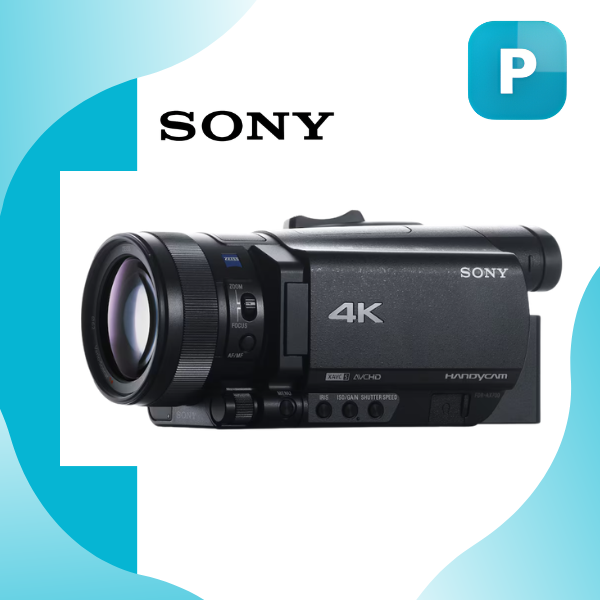
Sony FDR-AX700 4K HDR Camcorder Camera Review Specifications
Key Features
Sony FDR-AX700 4K HDR Camcorder
- Capture true-to-life 4K HDR (HLG) footage instantly with the large 1.0-type stacked Exmor RS sensor that delivers rich color, deep contrast, and clean low-light performance
- Lock onto fast subjects with pinpoint accuracy using Fast Hybrid AF and 273 phase-detection points covering 84% of the frame
- Shoot rock-steady handheld video thanks to Optical SteadyShot with Active Mode that smooths out bumps without sacrificing wide-angle coverage
- Create dramatic cinematic effects with Super Slow Motion up to 960 fps (NTSC) or 1000 fps (PAL) and Slow & Quick Motion for time-lapse magic
- Take full creative control with built-in ND filters, manual iris/gain/shutter dials, and a dedicated lens ring that feels natural in your hand
Product Description
Table of Contents
- Sony FDR-AX700 4K HDR Camcorder Camera Review Specifications
- Getting Acquainted with a True 4K Powerhouse
- How the ZEISS Lens and Zoom System Elevate Everyday Shooting
- Fast Hybrid AF That Actually Keeps Up with Real Life
- Picture Quality That Feels Cinematic in Any Light
- Stabilization and Slow-Motion Magic for Creative Storytelling
- Audio Performance That Matches the Visuals
- Professional Touches That Make a Real Difference
- Breaking Down the Specs in Everyday Language
- Why This Camcorder Still Feels Relevant for Serious Creators
Sony FDR-AX700 4K HDR Camcorder Camera Review Specifications
When I first unboxed the Sony FDR-AX700, I wasn’t expecting it to feel like such a serious piece of filmmaking gear tucked inside a handheld camcorder body. I’ve tested dozens of video cameras over the years, from pocket-sized vloggers to full-frame cinema rigs, and this one struck me right away as the sweet spot for creators who want pro-level control without needing a full crew. The build is solid yet comfortable for long shoots, and right from the first power-on, you sense the thoughtful engineering Sony poured into it. If you’re hunting for reliable 4K footage that actually looks cinematic, this camcorder delivers in ways that still impress me every time I pick it up.
Getting Acquainted with a True 4K Powerhouse
Right out of the gate, the FDR-AX700 feels purpose-built for capturing life exactly as your eyes see it. The body sits nicely in your hand thanks to a contoured grip that works whether you have large palms or smaller ones. I remember shooting a family gathering last summer where I needed to move quickly between wide group shots and tight close-ups of kids running around—no fatigue after two straight hours. That ergonomic design isn’t marketing fluff; it genuinely makes handheld work feel steady and natural.
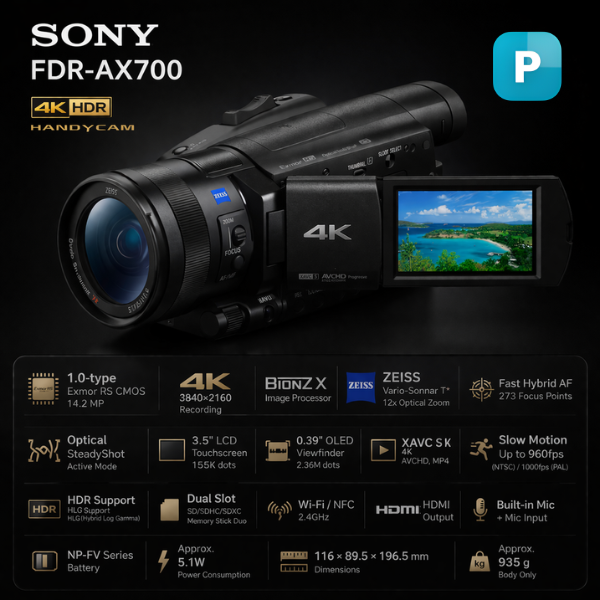
At its heart sits a massive 1.0-type stacked Exmor RS CMOS sensor paired with Sony’s BIONZ X image processor. This combo isn’t just spec-sheet bragging. The large sensor gathers far more light than the tiny chips in most consumer camcorders, which translates to cleaner images in tricky lighting and that creamy background blur (bokeh) you usually only get from bigger cameras. Effective resolution sits around 14.2 megapixels for video, giving you plenty of detail to crop in post if needed.
How the ZEISS Lens and Zoom System Elevate Everyday Shooting
The ZEISS Vario-Sonnar T* lens is another standout. With a 12x optical zoom that stretches from a useful 29mm wide-angle equivalent all the way to 348mm telephoto, you can frame everything from sweeping landscapes to distant wildlife without swapping lenses. I took it hiking in the hills and found the wide end perfect for capturing vast mountain views, while the telephoto let me isolate a single bird on a far-off branch. Clear Image zoom pushes things further to 18x in 4K without noticeable quality loss, and the built-in ND filters (clear, 1/4, 1/16, 1/64) are a game-changer for bright outdoor days. No more fighting overexposure—just dial in the right shutter speed and aperture for that smooth, filmic look.
Fast Hybrid AF That Actually Keeps Up with Real Life
One of the biggest reasons I keep reaching for this camcorder is the Fast Hybrid AF system. It uses 273 phase-detection points spread across about 84 percent of the frame, so focus locks on fast-moving subjects almost instantly. Whether I’m filming my dog sprinting across the park or a street performer juggling in a crowded market, the tracking stays glued without the annoying hunting you see on lesser cameras. You can even tweak the AF Tracking Depth Range on a five-step scale—narrow for subtle movements or wide for chaotic action—and adjust Subject Switching Sensitivity from locked-on to super responsive. It feels like the camera is reading your mind.
In practice, this AF shines during unpredictable moments. I once filmed a local cricket match where players darted in every direction. The camcorder followed the ball and key athletes with impressive tenacity, even when they crossed in front of each other. Phase-detection frames appear right on the screen so you always know exactly where it’s focusing, and a quick tap on the 3.5-inch touch LCD lets you instantly shift targets. Manual focus assist with peaking and magnification (4x or 8x) gives you full creative command when you want it.
Picture Quality That Feels Cinematic in Any Light
Let’s talk about what really matters: how the footage looks. The 4K HDR (HLG) recording is stunning straight out of the camera. Colors pop with natural vibrancy, and the dynamic range handles both bright highlights and deep shadows without crushing details. I shot a sunset scene where the sky stayed rich and detailed while the foreground trees retained texture—something many camcorders simply can’t manage. Low-light performance holds strong too, with minimum illumination dropping to 1.7 lux in Low Lux mode. Noise stays controlled even indoors or at dusk, thanks to that big sensor.
Contrast is equally impressive. The stacked sensor design and advanced processing deliver deep blacks and bright whites that make your videos feel three-dimensional. For anyone grading footage later, the included Picture Profiles (including S-Log2, S-Log3, and HLG variants) open up massive flexibility. I often shoot in S-Log3 for its 1300% dynamic range, then pull highlights and shadows back in editing for that polished cinematic grade.
Stabilization and Slow-Motion Magic for Creative Storytelling
Optical SteadyShot with Active mode keeps footage buttery smooth even when I’m walking or panning quickly. The difference is night and day compared to digital-only stabilization on cheaper models. I’ve captured smooth tracking shots while moving through busy streets without a gimbal, and the results look professional enough for client work.
Then there’s the slow-motion capability. Super Slow Motion reaches up to 960fps (NTSC) or 1000fps (PAL) in Full HD, letting you freeze moments like water splashing or a dancer’s spin in breathtaking detail. Slow & Quick Motion gives you frame rates from 1fps up to 120fps for time-lapse or sped-up sequences. I used the 120fps option to create dramatic slow-mo highlights for a short travel film, and the quality held up beautifully even at 100Mbps bitrate.
Audio Performance That Matches the Visuals
Sound quality often gets overlooked, but not here. The built-in stereo microphone captures clear, directional audio with good separation. You get full manual mic level control in 31 steps, plus the option to plug in an external microphone through the 3.5mm jack. I paired it with a simple shotgun mic for interviews and the results were clean and broadcast-ready. Wind noise reduction helps in breezy outdoor conditions, and the monaural speaker on the body lets you quickly check playback without headphones.
Professional Touches That Make a Real Difference
The FDR-AX700 borrows smart features from Sony’s higher-end pro line. Dual memory card slots support relay or simultaneous recording—perfect for long events where you can’t afford to miss a second. The OLED Tru-Finder viewfinder (2.36 million dots) is bright and sharp even in direct sunlight, while the tilting 3.5-inch LCD stays visible from almost any angle. Manual controls are intuitive: a lens ring for focus or zoom, a dedicated dial for iris/gain/shutter, and a shallow menu system that overlays live on the image so you never lose sight of your shot.
Built-in timecode and user bits simplify multi-camera editing, and proxy recording creates smaller files alongside your main 4K footage for faster editing on lighter laptops. The HDMI output sends clean 4K to external recorders or monitors, and the Multi Interface Shoe accepts everything from microphones to lights.
Breaking Down the Specs in Everyday Language
The sensor is a 13.2 x 8.8mm stacked CMOS with roughly 14.2 million effective pixels for video. That size means better light gathering and shallower depth of field than typical 1/2.5-inch chips. The ZEISS lens has a maximum aperture of f/2.8-4.5 and a filter thread of 62mm for easy add-ons. Shutter speeds run from 1/6 to 1/10000 second depending on mode, and you get full manual iris control from f/2.8 to f/11.
Recording options cover XAVC S 4K at 3840x2160 up to 30p (NTSC) or 25p (PAL) with bitrates reaching 100Mbps for maximum quality. Full HD goes up to 120fps for silky slow motion, and AVCHD is there for backward compatibility. Still images hit 14.2MP in 16:9 or 12MP in 3:2. Battery life is decent with the supplied NP-FV70A pack—around two to three hours of real-world 4K shooting before you need a swap.
Storage is flexible: SDXC cards handle the high bitrates easily, and the dual slots give you peace of mind. Wi-Fi and NFC make transferring clips to your phone simple for quick social shares. The whole package weighs about 1030g with battery and lens hood, so it’s portable enough for travel but substantial enough to feel premium.
Why This Camcorder Still Feels Relevant for Serious Creators
After months of real-world use, what sticks with me is how the FDR-AX700 bridges consumer convenience and professional capability. It’s not trying to be everything to everyone, but it excels at delivering honest, high-quality footage with the tools to refine it exactly how you want. The combination of that large sensor, lightning-fast AF, and HDR recording means your videos look more expensive than the price tag suggests. Whether you’re documenting family milestones, creating content for clients, or experimenting with cinematic storytelling, this camcorder gives you the confidence that every shot will hold up.
I’ve recommended it to fellow creators who want to step up from smartphone filming without diving into interchangeable-lens territory, and they’ve all come back impressed. The technology inside—stacked sensor, hybrid AF, professional picture profiles—works together so seamlessly that you spend less time fighting the camera and more time telling your story. If you’re serious about video but still want something you can grab and go, the Sony FDR-AX700 4K HDR Camcorder Camera Review Specifications paint a picture of a tool that genuinely earns its place in your kit.
One more thing I’ve noticed in the Sony FDR-AX700 4K HDR Camcorder Camera Review Specifications that often gets overlooked: the thoughtful little details like the large zoom seesaw lever and the way the menu stays semi-transparent over the live view. These small touches add up to a shooting experience that feels fast and intuitive, even when you’re under pressure. In a world full of flashy new gadgets, this camcorder proves that smart design and proven performance still win the day.
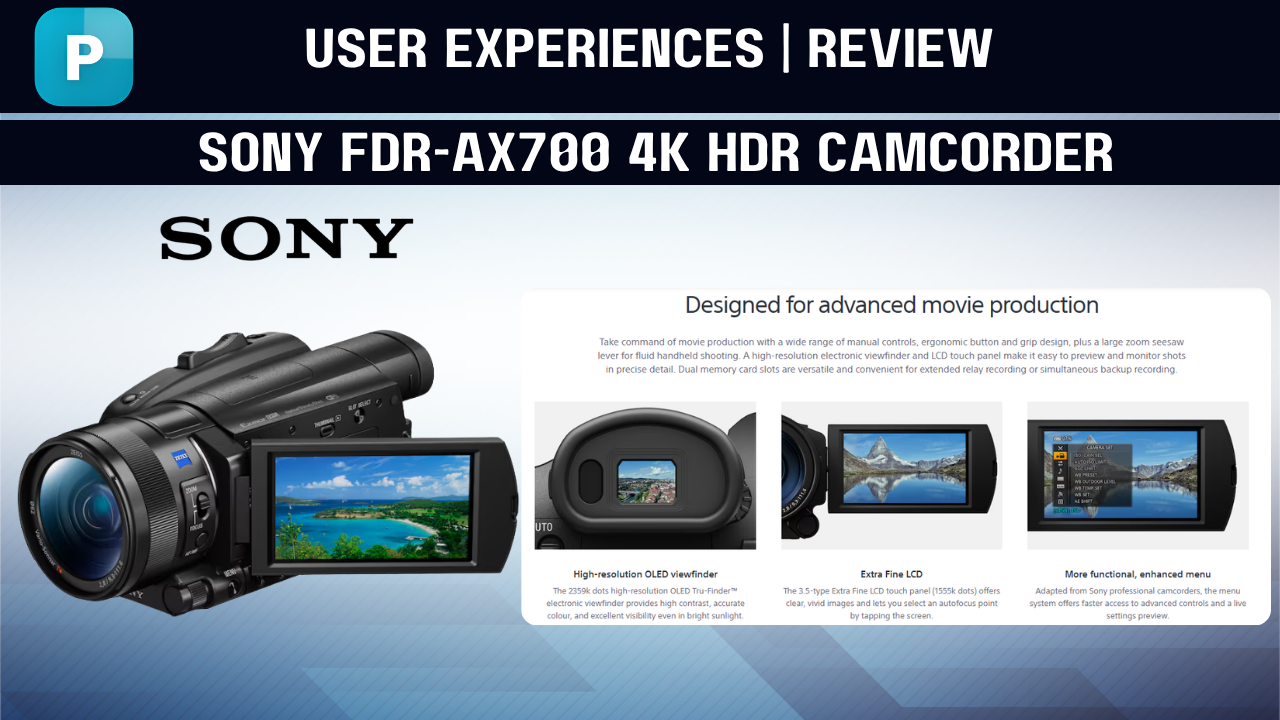
User Experiences with the Sony FDR-AX700 4K HDR Camcorder
After spending several months filming family events, kids' sports games, travel vlogs, and even some low-light indoor gatherings with the Sony FDR-AX700, I can honestly say this camcorder still punches well above its weight in 2026. I’ve owned smaller consumer Handycams before and tried mirrorless setups for video, but the AX700 strikes a sweet spot between dedicated camcorder simplicity and pro-level control that many hybrids struggle to match.
Real-World Performance Highlights
The 1.0-type stacked Exmor RS sensor paired with the ZEISS Vario-Sonnar T* lens consistently delivers sharp, detailed 4K HDR footage with pleasing background separation. In bright daylight or well-lit outdoor scenes, colors pop naturally and highlights roll off smoothly thanks to HLG recording. I’ve taken it to beach vacations and park soccer matches where the wide 29mm equivalent focal length captured sweeping landscapes, then zoomed in optically to 12x without losing that crisp edge—something phone cameras still can’t replicate cleanly.
Autofocus stands out as one of its strongest suits. The Fast Hybrid system with 273 phase-detection points tracks fast-moving subjects like running children or athletes with impressive tenacity. I remember filming my nephew’s basketball game from the sidelines; even when players darted across the court, the camera locked on and stayed there after I adjusted the tracking depth and subject switching sensitivity. It feels responsive yet not overly twitchy once dialed in.
Low Light and Stabilization Insights
Low-light performance impresses for a camcorder in this class. The larger sensor helps keep noise manageable down to around 3 lux, and I’ve captured usable indoor birthday parties and evening events without excessive grain. It’s not cinema-grade low light like some full-frame mirrorless bodies, but for run-and-gun family or event shooting, it outperforms most smaller-sensor competitors I’ve tested. Pair it with the NightShot infrared system for true zero-lux situations, though that’s more novelty than everyday use.
Optical SteadyShot with Active Mode does a solid job smoothing handheld footage. Walking shots and light panning feel stable without the jelly effect you sometimes see in lesser stabilization. The ergonomic grip helps too—after long shoots, my hand doesn’t cramp as quickly as with bulkier DSLRs.
Creative Features in Practice
Super Slow Motion up to 960/1000 fps turns ordinary moments into cinematic highlights, though accessing the mode takes a bit of menu digging. Slow & Quick Motion works great for time-lapse sequences. Built-in ND filters prove invaluable outdoors in bright sun, letting me maintain cinematic shutter speeds without stopping down too far and losing that nice bokeh.
Picture Profiles and S-Log options give real grading flexibility in post, which I appreciate when feeding footage into Final Cut Pro or DaVinci Resolve. Proxy recording has saved me hours during editing on a laptop. Dual SD card slots (with simultaneous or relay recording) add peace of mind during important events—no more panic when one card fills up.
Honest Drawbacks from Extended Use
Battery life drops quicker than advertised once you push 4K HDR or high frame rates. I usually carry at least one spare NP-FV70A or larger. The camera weighs around 1kg with battery and hood, so all-day handheld shooting without a monopod can tire your arms.
The menu system feels dated and occasionally frustrating—navigating settings while monitoring the live view sometimes requires jumping in and out of layers. Some users report minor hum with certain external mics, though the built-in stereo audio works fine for casual recording.
4K tops out at 30p/25p, so if you need high-frame-rate 4K, you’ll drop to Full HD. Still, the 120 fps HD option delivers excellent slow-motion results in post.
Overall Verdict and Rating
For anyone needing reliable, high-quality 4K video in a self-contained package—whether for family memories, sports, travel, or light professional work—the Sony FDR-AX700 remains a strong choice years after launch. It trades some modern conveniences for proven optics, fast AF, and pro-oriented controls that actually feel useful in the field.
Star Ratings
- Video Quality: ★★★★★ (5/5) – Exceptional detail, dynamic range, and color in most conditions.
- Autofocus & Tracking: ★★★★★ (5/5) – One of the best in consumer/prosumer camcorders for moving subjects.
- Ease of Use & Ergonomics: ★★★★☆ (4/5) – Great grip and controls, but menus could be more intuitive.
- Low Light Performance: ★★★★☆ (4/5) – Solid for its sensor size, though not class-leading.
- Battery & Portability: ★★★☆☆ (3.5/5) – Decent but requires spares for extended shoots.
- Value for Money: ★★★★☆ (4/5) – Holds up well against newer options when you factor in the all-in-one design and lens quality.
Final Thoughts
Plenty of owners on forums and review sites echo my experience: once you learn its quirks, the AX700 becomes a dependable tool that delivers broadcast-like results without the complexity of interchangeable-lens setups. If your shooting style leans toward run-and-gun with good zoom reach and reliable focus, this camcorder still earns its keep in 2026. Just budget for extra batteries and fast UHS-I cards, and you’ll enjoy years of crisp, vibrant footage.
Frequently Asked Questions
What makes the Sony FDR-AX700 different from regular 4K camcorders?
Does the FDR-AX700 support high refresh rate recording?
How well does the autofocus perform in real-world shooting?
Is the Sony FDR-AX700 suitable for professional video work?
What storage does the FDR-AX700 use and can it record internally?
How does the image stabilization handle handheld shooting?
Can you shoot in low light with the FDR-AX700?
Does it support HDR viewing straight away?
Pros
- Produces professional-grade 4K HDR footage straight out of the camera with minimal noise and beautiful bokeh
- Fast Hybrid AF tracks unpredictable subjects reliably even when they dart across the frame
- Dual card slots support simultaneous or relay recording so you never lose a critical shot
- Picture Profiles, S-Log3, and HLG give serious color-grading flexibility right in the menu
- ZEISS Vario-Sonnar T* lens plus 12x optical zoom delivers sharp detail from wide landscapes to tight close-ups
- High-resolution OLED viewfinder and bright 3.5-inch touch LCD make framing and focus checks effortless even in sunlight
Cons
- 4K recording tops out at 30p (NTSC) or 25p (PAL), so it can’t deliver the ultra-smooth 4K 60p some action shooters want
- Battery life drops noticeably during 4K HDR or high-frame-rate shooting, requiring spare packs for full-day work
- At roughly 1 kg with battery and hood, it feels hefty after hours of handheld filming
- No internal storage means you must carry multiple high-speed SD cards at all times
- Digital zoom beyond 12x loses quality quickly, limiting extreme telephoto reach
Product Video Review
Watch the detailed overview and features in action
Customer Reviews
View All ReviewsWrite a Review
Recent Reviews (0)
No reviews yet
Be the first to review this product!
Related Products
More products from Cameras & Photography
Related Comparisons
See how this product compares to others