Garmin Fenix 8 Pro vs Apple Watch Ultra 3 In Depth Comparison
After months of switching between these two premium beasts on my wrist—through humid Lahore mornings, weekend trail runs in the Margalla Hills, and even a quick diving trip—I can tell you firsthand that the Garmin Fenix 8 Pro and Apple Watch Ultra 3 are both incredible, yet they serve very different lifestyles. This Garmin Fenix 8 Pro vs Apple Watch Ultra 3 In Depth Comparison breaks down everything that actually matters when you’re deciding where to drop your money. I’ve worn each one daily, tested their limits in real scenarios, and ignored the marketing hype to focus on what feels right in your hand and on your wrist.
Design and Build Quality: Ruggedness Meets Everyday Wearability
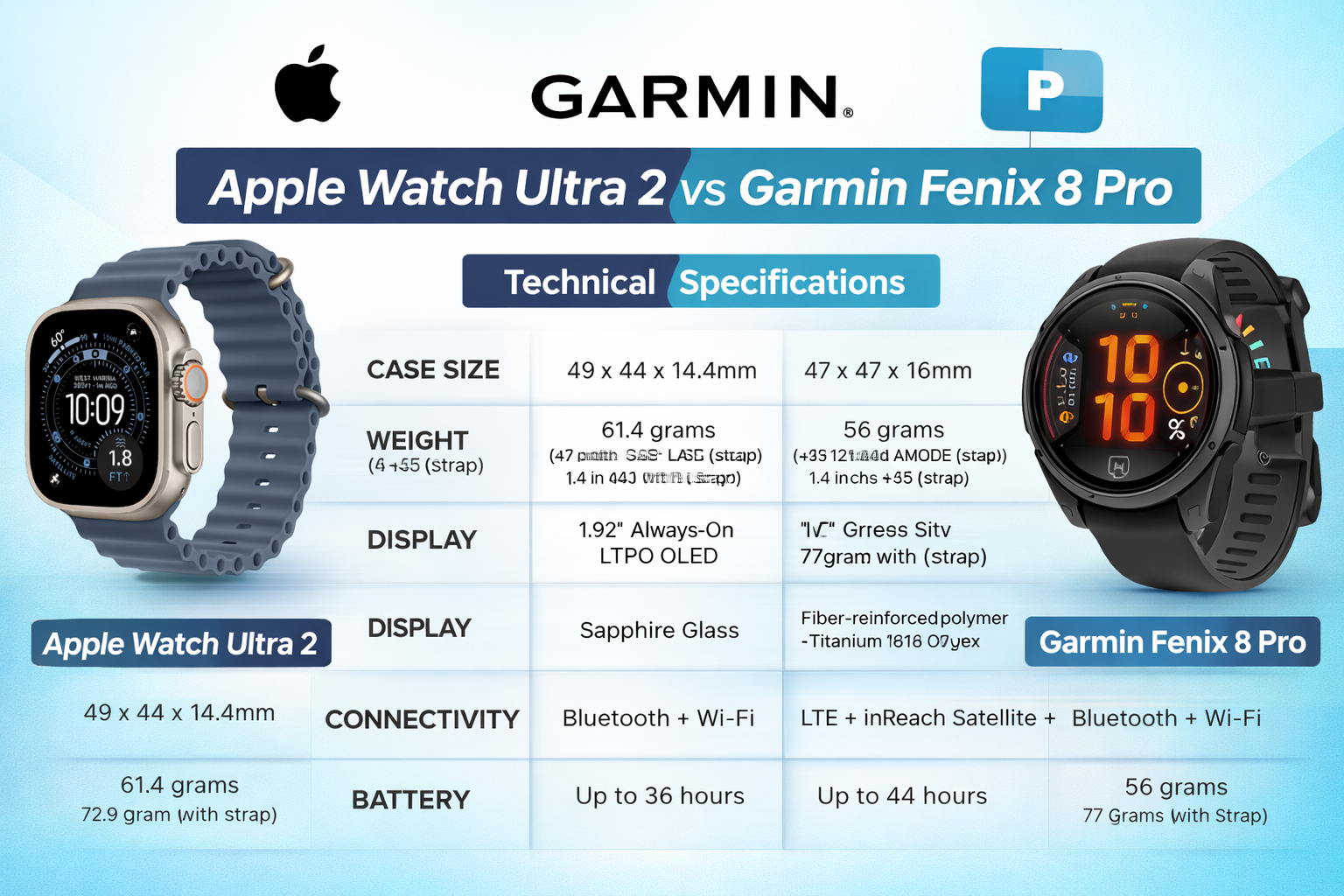
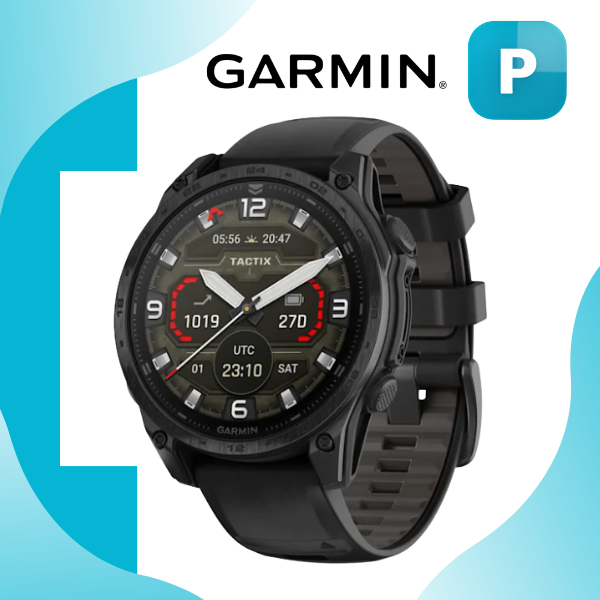
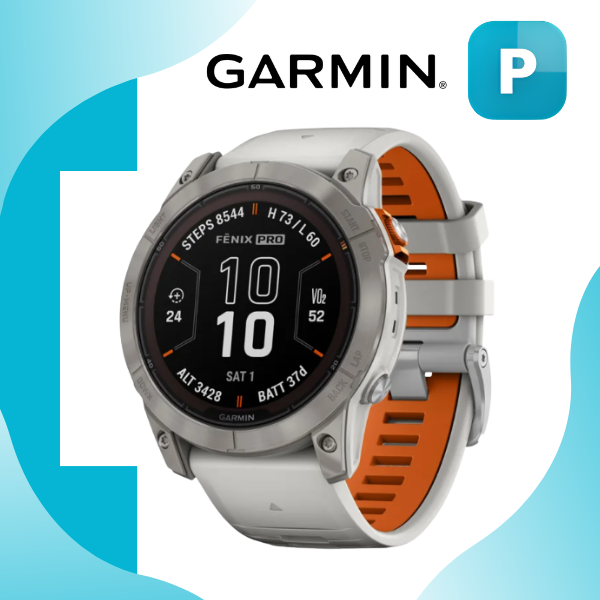
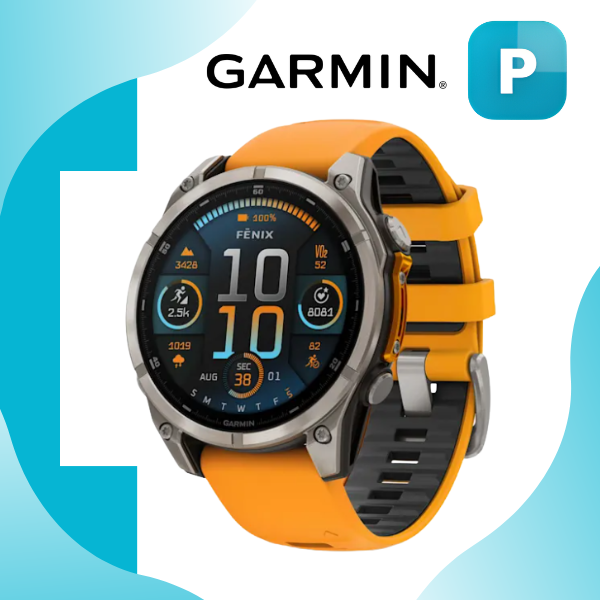
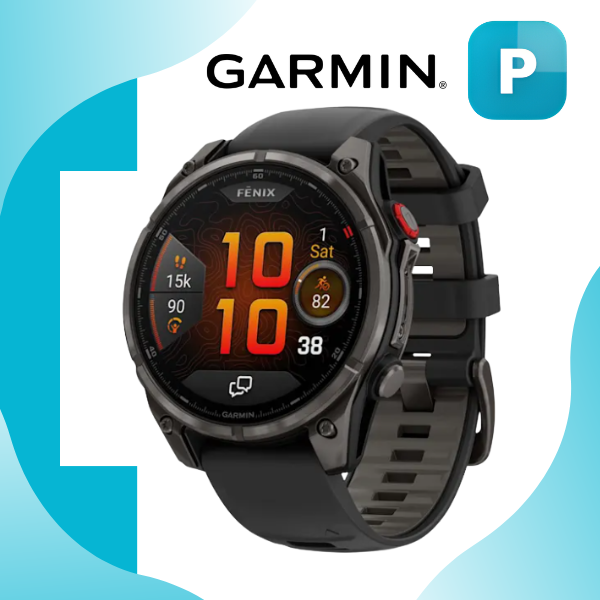
Let’s start with how these watches actually feel when you live with them. The Garmin Fenix 8 Pro comes in at 47mm with dimensions of 47 x 47 x 16 mm and weighs 77 grams (or just 56 grams without the case). It uses a fiber-reinforced polymer body with a titanium rear cover and bezel, topped by a sapphire crystal lens that laughs at scratches. The silicone strap is comfortable for all-day wear, and the whole package screams “I’m built for mountains, not meetings.” I took it diving to 40 meters and it never flinched—10 ATM rating means it’s truly dive-ready. The titanium accents give it that premium touch without feeling flashy.
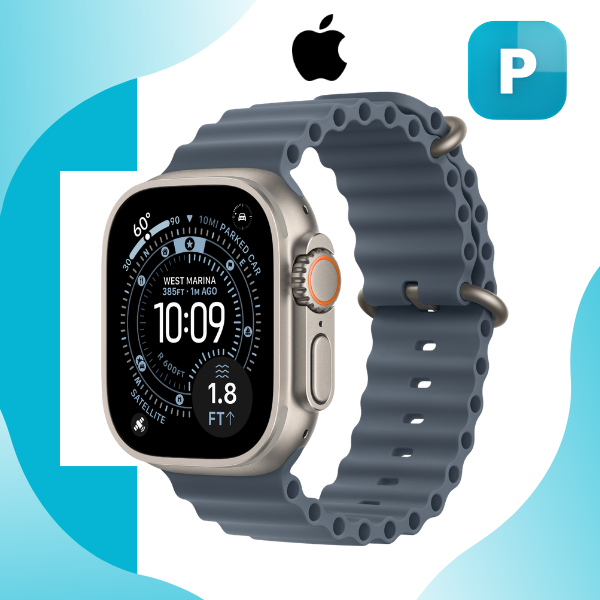
Flip over to the Apple Watch Ultra 3, and you get a sleeker 49mm titanium case (Grade 5, available in natural or black) measuring 49mm height by 44mm width by 12mm depth. At just 61.6–61.8 grams, it feels noticeably lighter and sits lower on the wrist, which I appreciated during long office days or when I didn’t want the bulk. It’s MIL-STD 810H certified, dust-resistant to IP6X, and also rated for 100 meters of water with diving support up to 40 meters. The action button, digital crown, and side button give you quick physical controls that became second nature.
In real life, the Garmin feels more like serious adventure gear—thicker, tougher, and ready for anything—while the Apple Watch Ultra 3 strikes a better balance for someone who wears a watch 24/7 without looking like they’re about to summit K2. Both survived drops, sweat, and dust without a mark, but the Garmin’s extra heft made it feel more secure during intense activities, whereas the Apple’s lighter profile never fatigued my wrist. If you’re coming from a smaller watch, the Garmin might take a week to get used to, but once it’s on, you forget it’s there until you need its toughness.
Display and Visibility: How They Perform in Sun, Rain, and Darkness
The screen is where these two start to diverge sharply in daily use. The Garmin Fenix 8 Pro rocks a 1.4-inch AMOLED display at 454 x 454 pixels with a sapphire lens that keeps everything crystal clear even after I wiped it with my shirt a hundred times. Colors pop—maps look vibrant, stats are easy to read at a glance—and the always-on option still delivers up to eight days of battery. I used it on bright trail runs where direct sunlight hit the face, and the AMOLED held up beautifully without washing out.
The Apple Watch Ultra 3 counters with its Always-On Retina OLED LTPO3 display that hits a staggering 3000 nits peak brightness. The resolution sits at 422 x 514 pixels, giving it a slightly taller, rectangular layout that feels more modern when scrolling notifications or glancing at complications. In the harsh Pakistani sun during afternoon hikes, that brightness edge was noticeable; I could read it without squinting even when the Garmin required a slight wrist tilt. The LTPO3 technology also makes scrolling buttery smooth, and the higher nit count shines literally when you’re cycling into the sunset or checking time underwater.
Both are excellent, but it comes down to your priorities. The Garmin’s square AMOLED is map-friendly and battery-efficient for long outings, while the Apple’s brighter, sharper Retina wins for quick glances in any light. After weeks of side-by-side testing, I found myself preferring the Apple for city days where I check the time constantly, but the Garmin during sports where I needed detailed topo maps that stayed legible no matter the conditions. Neither disappointed, but the Apple edges it for pure outdoor visibility.
Battery Life and Charging: The Difference That Changes Your Routine
This is where the Garmin Fenix 8 Pro pulls way ahead for anyone who hates plugging in. With up to 15 days in smartwatch mode (eight days always-on) and a battery saver mode stretching to 19 days, plus 44 hours of GPS tracking, I completed a full 10-day trekking trip in the north without ever reaching for the charger. The lithium-ion battery uses Garmin’s proprietary charger, which is reliable but not the fastest. Still, when it does need juice, it tops up efficiently enough for my needs.
The Apple Watch Ultra 3 offers up to 42 hours in normal use or 72 hours in low-power mode—impressive for a smartwatch, but nowhere near the Garmin’s marathon levels. What it does have is fast charging: 80% in about 45 minutes via the USB-C magnetic charger. During my testing, I could throw it on the charger while making breakfast and have it ready for the day. The S10 chip and efficient LTPO3 display help stretch that battery, but I still found myself charging every other day when using GPS, music, and notifications heavily.
In practice, the Garmin let me forget about battery anxiety entirely during adventures, which felt liberating. The Apple required more planning but rewarded me with quicker top-ups and never died unexpectedly thanks to smart power management. If your life involves multi-day trips without outlets, the Garmin is unbeatable. For daily urban use where charging is easy, the Apple’s speed keeps it competitive. Both are far better than most smartwatches, yet the Garmin’s endurance is the kind of feature that quietly becomes your favorite part of the watch.
Health, Fitness, Sports, and Smart Features: Tools That Actually Help
Diving into the sensors and features, both watches pack serious tech, but they shine in different areas. The Garmin Fenix 8 Pro includes heart rate, Pulse Ox, altimeter, compass, gyroscope, accelerometer, and a thermometer. It delivers HRV status, detailed sleep tracking, an ECG app, stress tracking, and the brilliant Body Battery metric that tells you exactly how recovered you are. Sports modes cover running, cycling, swimming, diving, golf, skiing, team sports, and more—over 30 activities with built-in topo maps, ski maps, golf maps, and turn-by-turn navigation. The 32GB storage holds plenty of music, it supports Garmin Pay, voice calls, texts, LTE, and even inReach satellite communication for true off-grid safety. The built-in speaker, microphone, and LED flashlight proved handy on night runs and camping trips.
The Apple Watch Ultra 3 matches up with heart rate, blood oxygen, temperature, depth gauge, compass, altimeter, accelerometer, and gyroscope. Its health suite includes ECG, blood oxygen app, sleep tracking, cycle tracking, and heart rate alerts. The dual speakers and three-microphone array sound surprisingly loud for calls, and the siren is a real safety net I tested once during a solo hike. It has 64GB storage, supports 5G and LTE, emergency SOS, crash detection, fall detection, and satellite connectivity. The action button and gestures make navigation feel futuristic, but everything ties tightly into the iPhone ecosystem—great if you’re all-in on Apple, limiting if you’re not.
From my real-world use, the Garmin excelled at multisport training and navigation; its offline maps and Body Battery gave me actionable insights that improved my training. The Apple felt more intuitive for daily health monitoring and quick emergency features, especially the depth gauge during swims. Both track sleep and heart metrics accurately enough for most users, but the Garmin’s extra sports modes and maps make it the serious athlete’s choice. Smart notifications and music work well on both, yet Garmin’s cross-platform compatibility gives it broader appeal.