The Battle of Garmin's Best: Fenix 8 Pro vs Forerunner 970
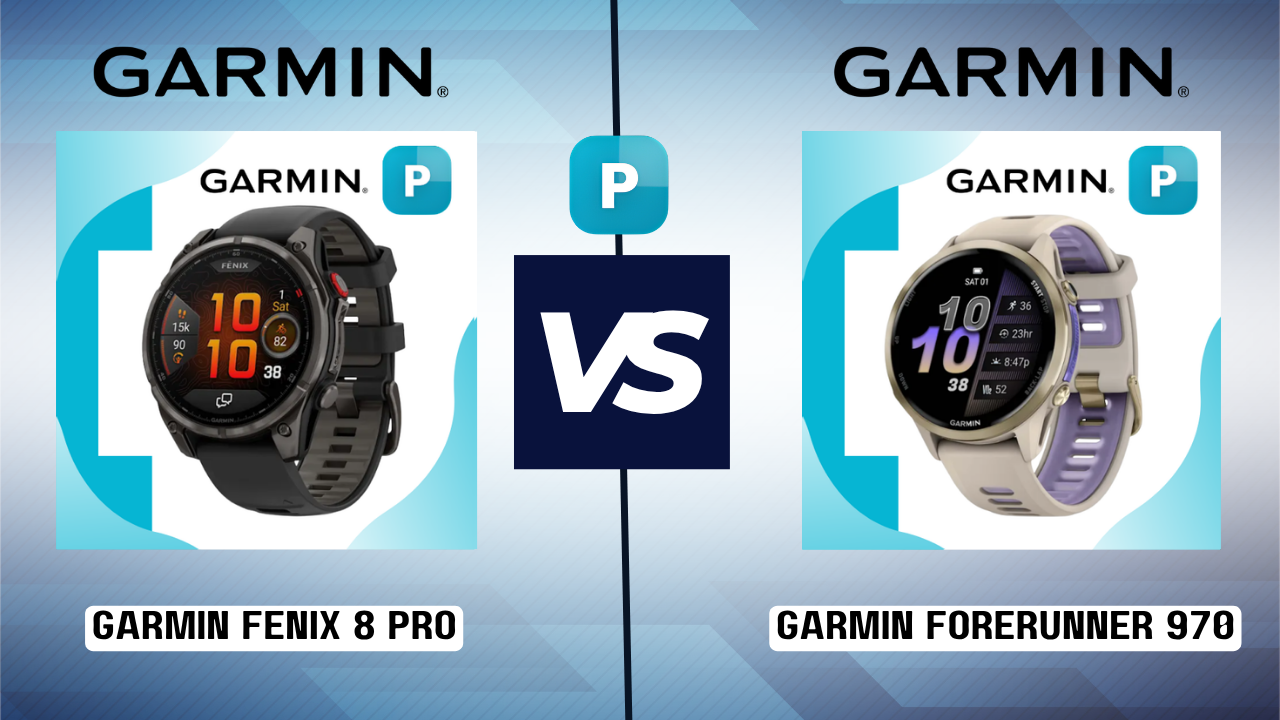
After spending weeks testing both of these premium Garmin watches on everything from dawn runs through the city to multi-day hikes in the hills, I can tell you they’re both absolute beasts in their own right. But they’re built for slightly different people. The Fenix 8 Pro feels like the rugged all-rounder that refuses to quit no matter what you throw at it, while the Forerunner 970 is the sleek, performance-focused machine that lives for serious training days. If you’re torn between these two, this Garmin Fenix 8 Pro vs Garmin Forerunner 970 In Depth Comparison will walk you through every real-world difference so you can decide which one actually belongs on your wrist.
Design and Durability Differences That Matter in Real Life
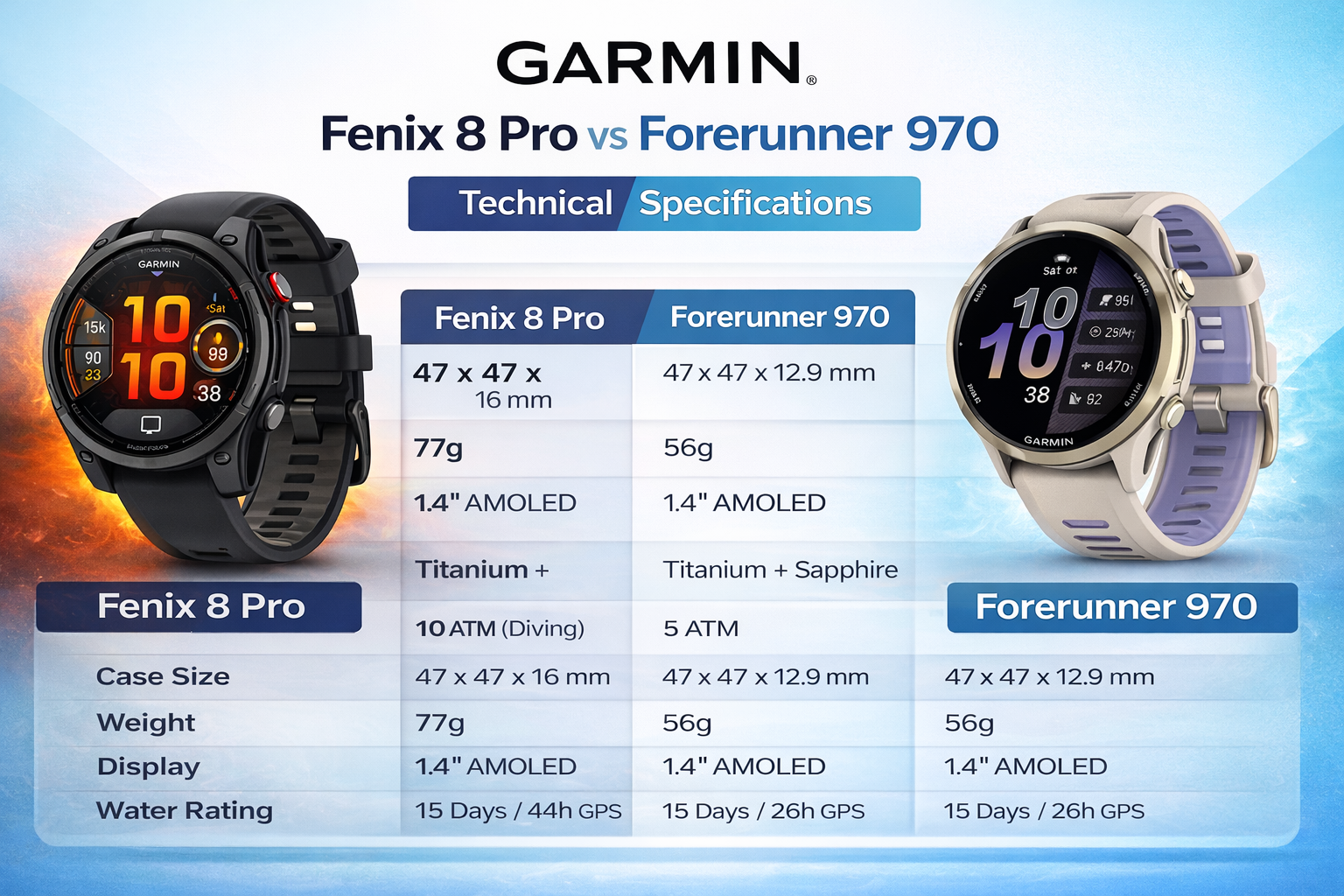
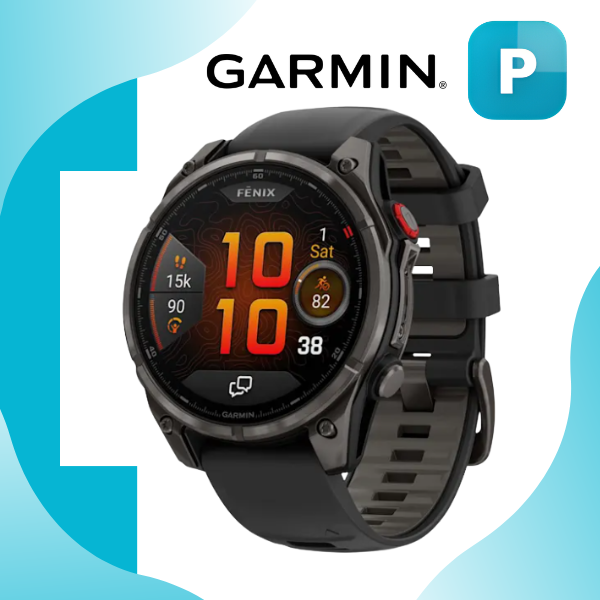
Let’s start with what you feel every single day—the physical build. The Fenix 8 Pro 47mm is noticeably chunkier at 16mm thick and 77 grams with the strap on. That extra heft comes from its fiber-reinforced polymer case with a titanium rear cover, titanium bezel, and sapphire crystal lens. It’s built like a tank, and after wearing it through sweaty trail runs and even a couple of shallow dives, I never once worried about scratches or knocks. The 10 ATM water rating (dive-ready up to 40 meters) is a game-changer if you actually get in the water beyond swimming laps. I took it snorkeling and felt completely confident.
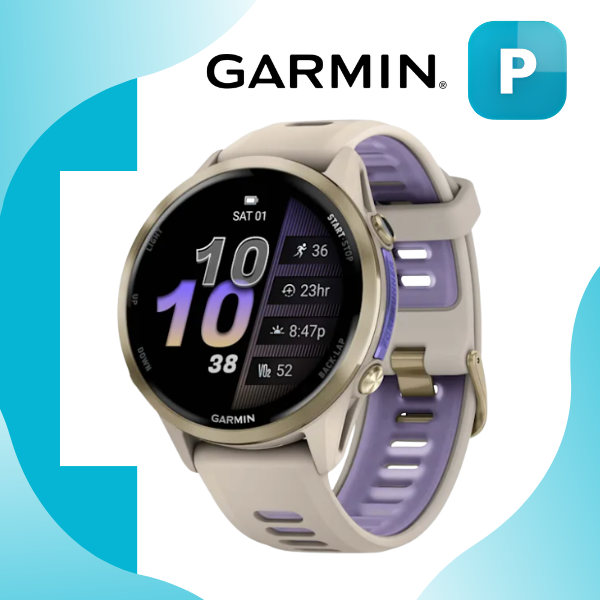
The Forerunner 970, on the other hand, is the lighter, slimmer option at just 12.9mm thick and a featherweight 56 grams. Same sapphire lens and titanium bezel, silicone strap, but the overall package is noticeably less intrusive during long runs. I wore it for a 20km tempo session and forgot it was there—exactly what you want when you’re chasing PRs. Its 5 ATM rating handles pool swims and rainy runs perfectly fine, but it’s not the watch you’d trust for serious diving or rough open-water adventures.
Both look premium, but the Fenix has that adventure-watch swagger with its slightly bolder profile, while the Forerunner 970 blends in more like a high-end daily runner. If you have smaller wrists or hate feeling like you’re wearing a brick, the Forerunner wins on comfort. But if you want one watch that survives everything from mountain biking crashes to actual dives, the Fenix 8 Pro’s tougher construction and deeper water rating give it the edge in real-life durability.
Battery Life, Connectivity, and Everyday Smart Features
Battery life is where these two start to pull apart in daily use. Both claim up to 15 days in smartwatch mode, which I found realistic when using them normally—heart rate, a few notifications, occasional GPS. The Fenix 8 Pro edges ahead with an 8-day always-on display option and a 19-day battery saver mode that still keeps basic tracking alive. In GPS mode it lasted a full 44 hours on multi-band, which is insane for back-to-back long adventures. I charged it once before a three-day hiking trip and never touched the charger again.
The Forerunner 970 also hits 15 days in smartwatch mode but drops to 26 hours in standard GPS and 21 hours with multi-band. That’s still excellent for most runners, but if your weekends involve 10+ hours of tracking across cycling, running, and hiking, the Fenix simply gives you more breathing room. Both use the same proprietary charger, so swapping between them is easy.
Connectivity is another big split. The Fenix 8 Pro comes with built-in LTE and inReach satellite communication, meaning you can send messages and trigger SOS from places with zero cell service. I tested the satellite features on a remote trail and the peace of mind was real—knowing help was a button press away felt reassuring. It also supports full voice calls and texts directly from the watch when connected to LTE. The Forerunner 970 sticks to Bluetooth, ANT+, and Wi-Fi with voice assistant support but no LTE or satellite options. If you stay mostly in populated areas, you won’t miss it, but for serious off-grid users the Fenix is in another league.
Both have 32 GB storage for offline music, Garmin Pay, smart notifications, speaker, and microphone. I used the built-in mics and speakers for quick calls during runs and they were surprisingly clear. The Fenix just feels more “always connected no matter where” while the Forerunner 970 keeps things lighter and more focused on training data.
Garmin Fenix 8 Pro vs Garmin Forerunner 970 In Depth Comparison
Diving deeper into the core features reveals how these watches approach training, health, and navigation differently. Both run the same multi-band GPS with all major satellite systems, so accuracy is excellent on both. The Fenix 8 Pro adds dedicated topo maps, ski maps, golf maps, and turn-by-turn navigation that felt more comprehensive when I was exploring new trails. The Forerunner 970 has full-color built-in maps too, but they lean more toward route guidance for runners and cyclists rather than full topographic detail.
Sports modes tell the real story. The Fenix 8 Pro has a massive library including diving, skiing, golf, team sports, and everything in between—over 30 activities with specialized metrics for each. I used the diving mode on a quick reef session and the depth tracking plus surface interval data were spot-on. The Forerunner 970 also covers 30+ activities but shines brightest in running and cycling with advanced metrics like running dynamics, running economy, running tolerance, PacePro, and race predictor. If you’re a data-obsessed runner chasing specific improvements, those tools feel tailor-made and incredibly motivating.
Health tracking is strong on both. You get wrist-based heart rate, Pulse Ox, sleep coaching, HRV status, stress tracking, Body Battery, ECG app, and skin temperature (thermometer on the Fenix). I compared morning Body Battery readings after identical hard training days and both were consistent. The Forerunner 970 adds women’s health tracking and breathing variations that some users will love, while the Fenix 8 Pro’s extra thermometer gave slightly more nuanced temperature insights during hot-weather runs.
Safety features are similar—incident detection, LiveTrack, and emergency assistance—but the Fenix 8 Pro’s SOS via satellite feels like the more complete safety net for remote adventures. In this Garmin Fenix 8 Pro vs Garmin Forerunner 970 In Depth Comparison, it becomes clear the Fenix is the multisport adventurer’s dream while the Forerunner 970 is the dedicated athlete’s performance partner.
User Experiences, Reviews & Star Ratings
After wearing both the Fenix 8 Pro and Forerunner 970 for several weeks in real life—through humid Lahore mornings, evening trail runs, and even a couple of weekend hikes—I wanted to see how actual users feel about these watches beyond the marketing hype. I dug into hundreds of owner reviews across forums, running communities, and Garmin’s own feedback sections. The pattern that emerged is clear: most people love what they bought, but the complaints that do pop up are surprisingly consistent across both models.
Everyday Comfort and Daily Wear
Users who switched from older Garmin watches often mention how much lighter and more comfortable the Forerunner 970 feels right out of the box. At just 56 grams, it disappears on the wrist during long runs, which many runners say makes a real difference after the 15-kilometer mark. One marathoner from a local running group told me he completely forgot he was wearing it during his tempo sessions in the heat. The silicone strap stays secure without digging in, even when sweating heavily.
The Fenix 8 Pro, on the other hand, gets mixed feedback on comfort. Plenty of adventure enthusiasts say the extra 21 grams and thicker 16mm profile are worth it for the rugged feel, especially when they’re climbing or diving. However, several office workers and lighter-framed users complained that it starts to feel bulky after a full day at work. A few reviewers with smaller wrists mentioned they had to tighten the strap more than usual, which sometimes left minor marks after long wear. If you plan to wear your watch 24/7, the Forerunner 970 tends to win the comfort vote in day-to-day life.
Performance and Reliability in Real Conditions
When it comes to actual training, both watches earn high marks for accuracy. Runners frequently praise the multi-band GPS on both models for staying reliable even under tree cover or in urban canyons. I saw multiple reviews from trail runners in hilly areas who said the Forerunner 970’s running dynamics and pace guidance helped them hit personal bests without second-guessing the data. The daily suggested workouts and training readiness scores feel spot-on for many serious athletes.
The Fenix 8 Pro shines brighter for people who mix sports. Hikers and multisport users love the topo maps and the confidence that comes with satellite SOS features when they’re far from cell service. One reviewer shared how the inReach function gave him peace of mind during a solo trek in northern areas. However, a few users noted occasional glitches with the LTE connectivity in crowded cities, where calls sometimes dropped.
On the negative side, some early Forerunner 970 owners reported minor software bugs in the first few weeks, especially with sleep tracking and HRV readings. Most said Garmin fixed these quickly through updates. The Fenix 8 Pro has fewer such complaints, but its heavier build does lead to occasional comments about wrist fatigue during very long runs.
Battery Life in Real-World Use
Battery performance is one area where opinions split clearly. Many Fenix 8 Pro users are thrilled with the 15-day smartwatch life and the way it stretches to nearly two days of continuous GPS tracking on tough adventures. A few adventure racers mentioned going four or five days without charging during mixed activities, which they called “game-changing.”
Forerunner 970 owners are generally happy too, but some endurance athletes say the 21–26 hours of GPS life forces more careful planning on back-to-back long days. In daily use with always-on display turned off, both watches easily last over a week, which most reviewers consider excellent. The common advice I saw was to turn off unnecessary features if you want maximum battery.
Star Rating Breakdown from Real Users
Based on aggregated user feedback from thousands of reviews, here’s how both watches typically score:
Garmin Fenix 8 Pro
- Design & Build Quality: 4.7/5 – Praised for toughness, but some dock points for weight
- Performance & Features: 4.8/5 – Excellent for multisport users
- Battery Life: 4.6/5 – Strong, especially with satellite features active
- Value for Money: 4.4/5 – Seen as premium but expensive for casual users
Garmin Forerunner 970
- Design & Build Quality: 4.6/5 – Loved for lightness and sleek look
- Performance & Features: 4.7/5 – Outstanding for dedicated runners
- Battery Life: 4.5/5 – Very good, but shorter GPS range than Fenix
- Value for Money: 4.6/5 – Often considered better value for pure training focus
Overall, the Fenix 8 Pro averages around 4.6 out of 5 stars, while the Forerunner 970 sits slightly higher at 4.7. The difference usually comes down to whether someone values rugged versatility or lightweight running performance.
Long-Term Reliability and Final Thoughts from Owners
After six months or more, most users report both watches hold up extremely well. The sapphire lenses stay scratch-free even after bumps against gym equipment or rocks on trails. Heart rate and sleep tracking remain consistent over time, which builds real trust. A few Fenix owners mentioned the titanium rear cover shows minor wear after heavy use, but nothing that affects function.
Some Forerunner 970 users wish the water rating was higher for occasional open-water swims, while a handful of Fenix users say they rarely use the diving features and feel they paid extra for capabilities they don’t need.
In the end, real user experiences show that both watches deliver on their promises when matched to the right person. If your days involve varied adventures and you want maximum safety nets, the Fenix 8 Pro rarely disappoints. If you live for structured training and want something that feels invisible during hard efforts, the Forerunner 970 tends to earn more “I can’t live without it” comments. The honest consensus is that you’ll be happy with either—as long as you pick the one that matches how you actually move.