Bose Soundbar 550 vs 600
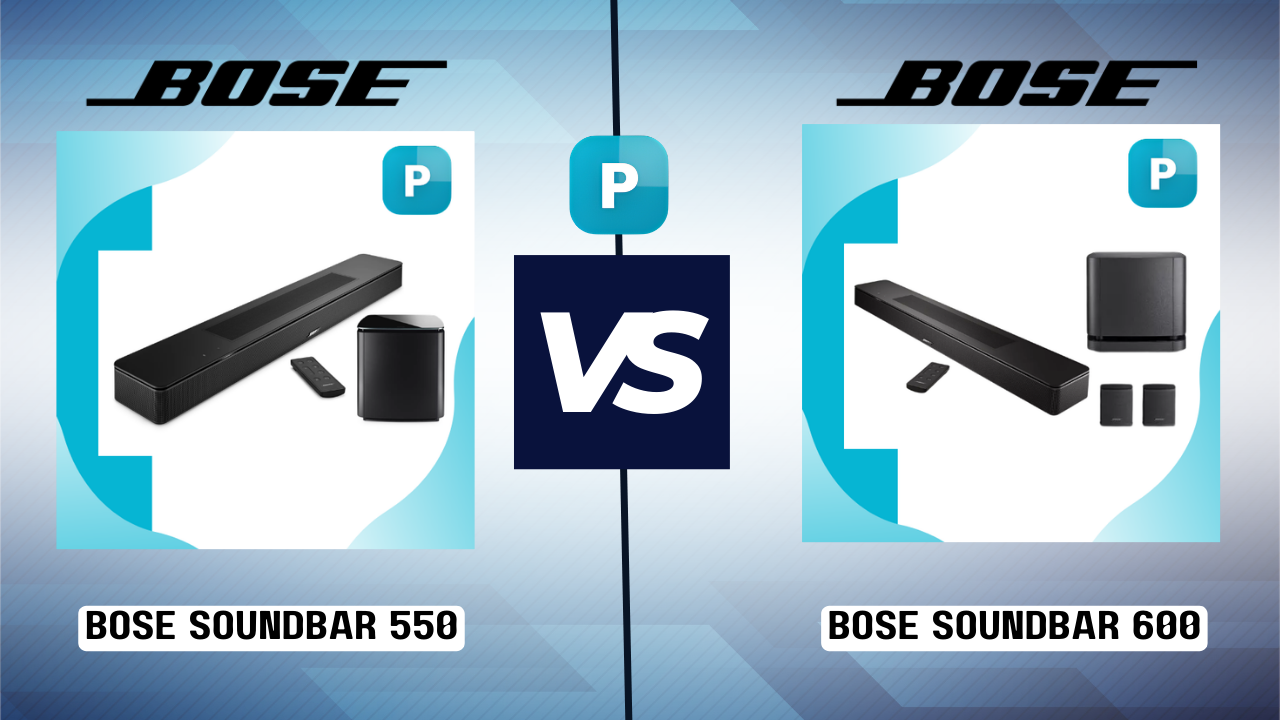
When it comes to elevating your home entertainment setup, choosing between the Bose Soundbar 550 and the Bose Soundbar 600 can be a tough decision. Both models promise immersive audio experiences, but they cater to slightly different needs. In this detailed comparison, we'll break down their features, performance, and overall value to help you decide which one fits your space and preferences. Whether you're a movie buff craving cinematic sound or a music lover seeking crisp playback, understanding the nuances in the Bose soundbar 550 vs 600 matchup is key.
Comparison Soundbar 550 vs 600 :
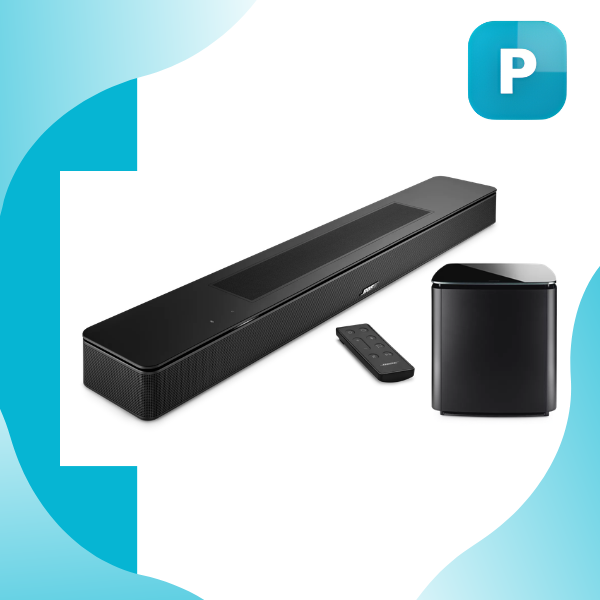
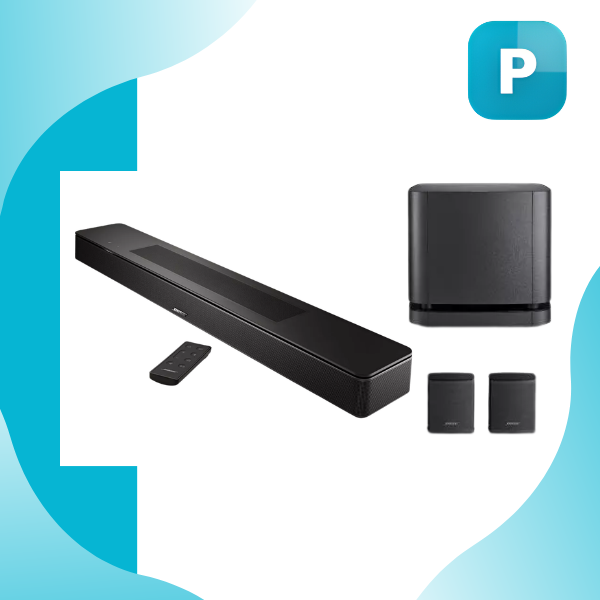
Starting with audio technology, both soundbars support Dolby Atmos, delivering three-dimensional sound that fills the room. The Bose Soundbar 550 features up-firing and side-firing speakers for a 5.1 surround sound configuration, creating a wide soundstage that simulates audio coming from all directions. It uses dynamic drivers paired with 1-inch tweeters to handle highs and mids effectively. On the other hand, the Bose Soundbar 600 employs TrueSpace technology with five speakers, including two upward-firing transducers, to achieve similar immersion. This setup excels in up-mixing non-Atmos content, making everyday TV shows feel more engaging.
Power output is a standout difference in the Bose soundbar 550 vs 600 debate. The 550 maxes out at 150 watts, which is sufficient for small to medium rooms but might lack punch in larger spaces. In contrast, the 600 boasts up to 600 watts, providing deeper bass and louder volumes without distortion. Its frequency response dips as low as 19.1 Hz, ensuring rumbling lows that the 550 can't quite match, even though the 550 is compatible with an optional wireless subwoofer for added bass.
Connectivity options are robust on both, but with subtle variations. Each includes HDMI eARC/ARC and optical inputs for seamless TV integration. Wireless features like Bluetooth and Wi-Fi enable streaming from devices, with support for Apple AirPlay 2, Spotify Connect, and Chromecast built-in. The 550's Bluetooth range extends up to 10 meters, while the 600 offers up to 30 feet—practically similar in real-world use. However, the 600 pulls ahead with built-in Amazon Alexa for voice control, plus compatibility with Google Assistant through other devices. Its Voice4Video feature lets you switch inputs or control compatible TVs hands-free, a perk absent in the 550.
Design-wise, these soundbars differ in size and build. The 550 measures about 6 x 15 x 6 inches and weighs 12.85 pounds, making it compact yet sturdy with a matte plastic finish. It's designed for tabletop placement only and isn't water-resistant, suiting indoor setups. The 600, at 4.09 inches deep, 27.34 inches wide, and 2.21 inches high, is slimmer and lighter at 9.24 pounds, thanks to its metal and plastic construction. This allows for versatile mounting—tabletop or wall—giving it an edge in flexible installations.
App integration ties them together via the Bose Music App, which handles setup, EQ adjustments, and multi-room audio. The 600 enhances this with SimpleSync technology for syncing with other Bose devices, while the 550 supports multi-room but lacks the same seamless ecosystem. Both come with essentials like HDMI and optical cables, a remote, and power cord, but neither includes a subwoofer out of the box.
Comparison Reviews
User feedback on the Bose soundbar 550 vs 600 often highlights their strengths in everyday scenarios. For the 550, many appreciate its balanced sound profile in compact spaces. Reviewers note the TrueSpace up-mixing turns stereo content into surround-like audio, ideal for apartments where space is limited. One common praise is its clear dialogue enhancement, reducing the need to crank up the volume during quiet scenes. However, some criticize the 150-watt limit, saying it feels underpowered in open living rooms, especially without the optional subwoofer. Build quality gets solid marks for durability, though the plastic exterior can attract fingerprints. On average, it scores around 4.2 out of 5 stars across platforms, with users valuing the easy Bluetooth pairing for casual listening.
Shifting to the 600, reviews emphasize its superior power and smart features. The 600-watt output earns rave comments for filling larger rooms with vibrant, distortion-free sound, and the low-frequency handling makes action movies thrilling without extra bass modules. Alexa integration is a frequent highlight, allowing voice commands for music playback or smart home control, which feels more modern than the 550's app-only approach. Critics point out that while the slimmer design aids wall mounting, it might require additional brackets for secure setup. Audio purists love the wider soundstage from the upward-firing speakers, but a few mention occasional Wi-Fi glitches during multi-room syncing. Overall, it garners about 4.5 stars, with higher satisfaction in tech-savvy households.
In head-to-head reviews, the 550 shines for budget-conscious buyers seeking straightforward performance, while the 600 appeals to those wanting future-proof smarts and robust output. Noise from forums like Reddit suggests the 600's Voice4Video simplifies family use, but the 550's side-firing speakers provide better horizontal spread in some setups.