Audio Devices

Samsung Q990H vs KEF XIO In Depth Comparison

4 views March 21, 2026 Last updated: Mar 21, 2026 8 min read
Login to Save

Detailed Comparison

SpecificationSamsung Q990HKEF XIO
System TypeFull surround system with subwoofer and rear speakersSingle soundbar (all-in-one)
Channel Configuration11.1.4 channels5.1.2 channels
Total Speakers23 speakers10 drivers (6 Uni-Q MX + 4 woofers)
SubwooferWireless external subwooferBuilt-in woofers (no external sub)
Rear SpeakersIncluded wireless rear speakers with up-firing driversNot included
Audio TechnologyDolby Atmos, DTS:X, SpaceFit Sound ProDolby Atmos, DTS:X, Uni-Q MX driver array
Frequency ResponseNot specified34 Hz – 20 kHz
Maximum SPLNot specifiedUp to 102 dB
Sound ProfilePowerful, immersive, cinematicBalanced, detailed, audiophile-grade
Dimensions (Main Unit)~1.23 meters wide, 70 mm height1.21 meters wide, 70 mm height, 165 mm depth
WeightSubwoofer ~8 kg + additional speakers10.5 kg
Build QualityTitan Black finish, premium plastic/metalPremium metal and high-end construction
Mounting OptionsWall mount (included) + tabletopWall mount (included) + tabletop
HDMI Ports2 HDMI inputs + 1 HDMI eARC output1 HDMI 2.1 eARC
Video Pass-through4K 120Hz, HDR10+Not specified
Wireless ConnectivityBluetooth 5.3, Wi-FiBluetooth 5.3, Wi-Fi 6
Streaming SupportChromecast, AirPlay, Spotify Connect, Roon ReadySpotify, TIDAL Connect, Amazon Music, Deezer, Internet Radio
Smart FeaturesSmartThings, Google Assistant, Voice controlKEF Connect app, Google Cast, UPnP
Room CalibrationSpaceFit Sound ProNot specified
Gaming FeaturesGame Pro modeNot specified
Ease of SetupWireless setup with multiple componentsSimple single-unit setup
Best ForHome theater, movies, immersive gamingMusic lovers, minimal setups, audiophile listening

Full Technical Specifications

Feature Samsung Q990H Soundbar Review Specifications KEF XIO Soundbar Review Specifications
Accessories Remote Controller, Wall Mount Bracket -
Amplifier Output - 820 W (Instantaneous total power)
Amplifiers - HF/MF: 8 × Class DLF: 4 × Class D
Audio Features SpaceFit Sound Pro, Active Voice Amplifier Pro, Night Mode, Voice Enhance -
Audio Technology - Dolby Atmos, DTS:X, 5.1.2 Spatial Audio
Bluetooth Yes (Version 5.3) -
Channel Configuration 11.1.4 -
Channel Output - Up to 5.1.2
Color Titan Black -
Decoding Formats MP3, AAC, OGG, FLAC, WAV, ALAC, AIFF -
Dimensions (H × W × D) - 70 × 1210 × 165 mm (2.8 × 47.6 × 6.5 in)
Dolby Audio Support Dolby Atmos, Dolby Digital Plus, Dolby TrueHD, Dolby 5.1ch, Atmos Music -
Drive Units - HF/MF: 6 × 50mm Uni-Q MX driversHF/MF: 2 × 50mm full-range driversLF: 4 × 50 × 180mm P185 drivers with VECO
Energy Star No -
Free Voltage Yes -
Frequency Response - 34Hz – 20kHz
HDMI ARC Yes (eARC) -
HDMI CEC Yes -
HDMI Input 2 -
HDMI Output 1 -
HDR Support HDR10+ -
Included in Box - Soundbar, Remote, AAA Batteries,HDMI Cable, Power Cable,Wall Mount Kit, Template, Product Guide
Inputs - HDMI 2.1 eARCTOSLINK OpticalUSB Type-C (Service)RJ45 Ethernet
Main Unit Dimensions (WxHxD) 1232.0 x 70.8 x 138.0 mm -
Main Unit Weight 7.3 kg -
Maximum SPL - 102 dB
Model - XIO
Number of Speakers 23 -
Optical Input 1 -
Power Consumption - 400W (Max)<2.0W (Eco standby)<0.5W (Non-WiFi mode)
Power Consumption (Main) 41 W (Operating), 0.5 W (Standby) -
Power Consumption (Rear) 19 W (Operating), 0.5 W (Standby) -
Power Consumption (Subwoofer) 48 W (Operating), 0.5 W (Standby) -
Power Input - 100 – 240V AC, 50/60Hz
Product Name Samsung Q-Series Soundbar HW-Q990H (2026) -
Rear Speaker Dimensions 129.5 x 201.3 x 140.4 mm -
Rear Speakers Weight 3.4 kg -
Smart Features SmartThings App, Chromecast, Spotify Connect, AirPlay, Roon Ready -
Sound Modes Surround, Game Pro, Standard, Adaptive Sound -
Speaker Type Front-firing, Side-firing, Up-firing, Center speaker -
Streaming Services - Spotify Connect, TIDAL Connect, QQ Music (QPlay),Amazon Music, Qobuz, Deezer, HIGHRESAUDIO,Internet Radio, Podcasts
Subwoofer Dimensions 249.0 x 251.8 x 249.0 mm -
Subwoofer Weight 8.3 kg -
Supported Formats - Dolby Atmos, DTS:X, 360 Reality Audio, MPEG-H,FLAC, WAV, AIFF, ALAC, AAC, WMA, MP3, M4A, LPCM, Ogg Vorbis
Supported Resolution - HDMI eARC: up to 192kHz / 24-bitNetwork: up to 384kHz / 24-bitOptical: up to 96kHz / 24-bit
Video Pass Through 4K @ 120Hz -
Voice Assistant Support Works with Google Assistant -
Weight - 10.5 kg (23.1 lbs)
Wi-Fi Yes Frequency Bands: 2.4 / 5 / 6 GHzStandard: IEEE 802.11a/b/g/n/ac/axSupports IPv4 & IPv6
Wireless Connectivity - Bluetooth 5.3AirPlayGoogle CastUPnPKEF Connect
Wireless Rear Speakers Included (Up-firing) -
Wireless Subwoofer Included -

Comparison Overview

Samsung Q990H vs KEF XIO In Depth Comparison

I've spent the last few months living with both of these soundbars in my living room—one hooked up to a 65-inch OLED for movie nights, the other tested side-by-side during long music sessions and gaming marathons. Choosing between a full-blown surround system and a high-end single-bar setup isn't straightforward in 2026, especially when you're chasing that perfect mix of immersion and everyday ease. In this Samsung Q990H vs KEF XIO In Depth Comparison, I'll walk you through everything I've noticed in real use, from unboxing to late-night listening, without any sugarcoating. These two take very different approaches to home audio, and the winner depends on how you actually use your space.

Design and Build Quality

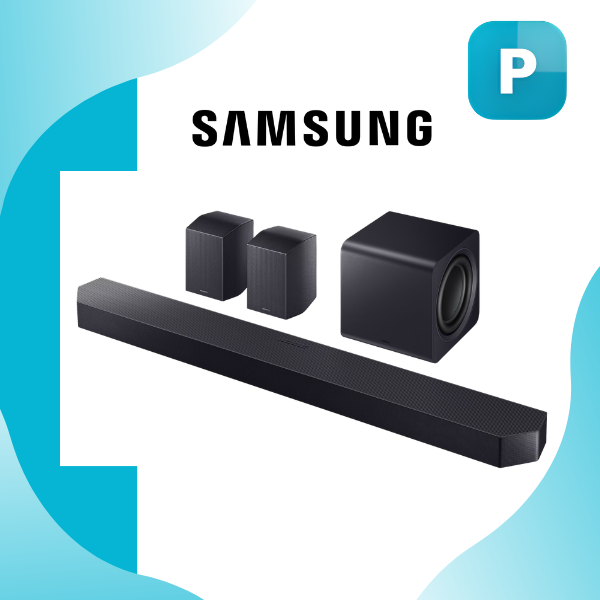
Right out of the box, the Samsung Q990H feels like a complete theater-in-a-box system. The main bar stretches nearly 1.23 meters wide and sits just 70 millimeters tall, so it slips neatly under most TVs without blocking the screen. But the real story is the extras: a hefty wireless subwoofer that weighs over 8 kilograms and two compact rear speakers, each with their own up-firing drivers. Everything connects wirelessly once you plug in the power, which made setup in my apartment a breeze—no running cables across the room. The Titan Black finish looks premium under living-room lights, and the wall-mount brackets included mean you can hide the rears if you want a cleaner look. The only downside I found is the total footprint; with the sub and rears placed optimally, it takes up more real estate than a simple bar.

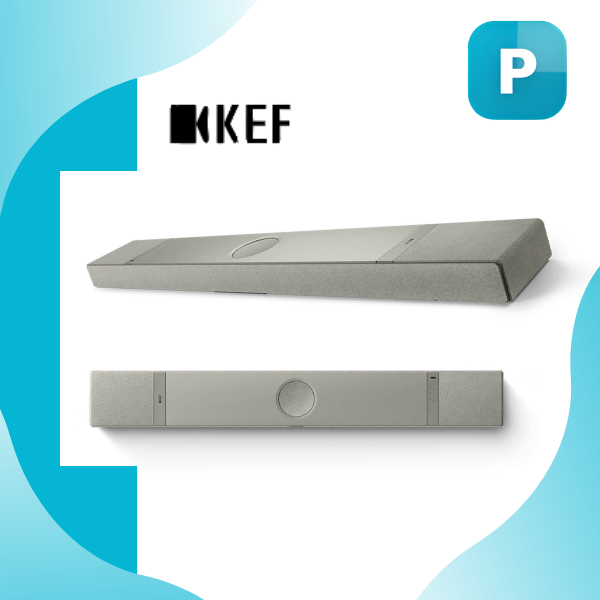
The KEF XIO, by contrast, is all about minimalism. This single 1.21-meter-long bar weighs 10.5 kilograms and feels incredibly solid, almost like a piece of high-end furniture. At just 70 millimeters tall and 165 millimeters deep, it matches the Samsung's slim profile but packs everything—drivers, amplifiers, and woofers—into one elegant unit. The build quality screams luxury; the drivers are neatly integrated, and the included wall-mount kit with template made installation straightforward on my brick wall. No separate sub or rears means zero clutter, which I appreciated during casual evenings when I didn't want to rearrange furniture. However, that also means you're relying entirely on the bar's internal design for any sense of surround, and in my tests, it never quite disappeared into the room the way a multi-piece system does.

In everyday life, the Samsung feels more like a proper upgrade for movie lovers who don't mind a bit more hardware around the couch. The KEF wins hands-down for anyone who values simplicity and a single, beautifully crafted piece. Both include remotes that feel solid, and I never had connectivity hiccups during setup, but the Samsung's wireless ecosystem required a quick app calibration that took maybe ten minutes—worth it for the payoff.

Sound Performance Deep Dive

This is where the real personality of each system shines, and after weeks of switching between action films, music playlists, and games, I can say they deliver two completely different listening experiences. The Samsung Q990H runs an 11.1.4 channel setup with a staggering 23 individual speakers. That translates to dedicated front, side, and up-firing drivers plus a powerful wireless sub. In practice, it creates a genuine 360-degree sound bubble. Watching Dune on my TV, the overhead sandworm scenes had height effects that actually felt like they came from above my head, thanks to those up-firing rears. The subwoofer delivers room-shaking lows that make explosions visceral—think deep, rumbling bass you feel in your chest. Samsung's SpaceFit Sound Pro automatically tunes the output to my room acoustics, and features like Active Voice Amplifier Pro kept dialogue crystal clear even when the score swelled. Night Mode and Game Pro mode were game-changers during late sessions; the former tames explosions without losing detail, while the latter adds a slight edge to footsteps and gunfire.

The KEF XIO takes a more refined, audiophile route with its 5.1.2 spatial audio configuration. It uses six 50-millimeter Uni-Q MX drivers that combine tweeter and midrange in one point source, plus four larger low-frequency drivers with VECO technology. The result is stunning clarity and imaging. Vocals in a TIDAL hi-res track sat dead center in the room, and the frequency response from 34 Hz up to 20 kHz felt balanced and natural—no muddiness, even at higher volumes. Maximum SPL hits 102 dB, which is plenty loud for my 200-square-foot space without distortion. Dolby Atmos and DTS:X content sounded precise rather than explosive; the height effects are convincing but more focused than enveloping. For music, especially high-resolution files streamed over my network, the KEF pulled out subtle details—like the brush of a snare drum or the decay of a piano note—that the Samsung simply smoothed over.

As part of this Samsung Q990H vs KEF XIO In Depth Comparison, I noticed the Samsung excels at big, cinematic moments where you want to be surrounded, while the KEF delivers a more intimate, accurate soundstage that's perfect for critical listening. Neither is weak, but they serve different moods: Samsung for Friday-night blockbusters, KEF for Sunday-afternoon jazz.

Connectivity, Streaming, and Smart Capabilities

Both systems support the latest HDMI eARC for lossless audio return from your TV, but the Samsung gives you more flexibility with two HDMI inputs and one output that passes 4K at 120 Hz. That mattered when I connected my PS5 and a Blu-ray player—zero lag, full HDR10+ support, and I could switch sources without touching the TV remote thanks to HDMI CEC. Bluetooth 5.3, Wi-Fi, optical input, and full SmartThings integration let me control everything from my phone or with Google Assistant voice commands. Features like Chromecast, AirPlay, Spotify Connect, and Roon Ready made it feel future-proof for my mixed ecosystem.

The KEF XIO keeps things streamlined with a single HDMI 2.1 eARC port, TOSLINK optical, USB-C for service, and RJ45 Ethernet. It supports up to 384 kHz/24-bit over the network, which is a big deal if you stream high-res files from Qobuz or Tidal Connect. Wi-Fi 6 across 2.4, 5, and 6 GHz bands stayed rock-solid, and the KEF Connect app plus support for Spotify, Amazon Music, Deezer, and even Internet Radio gave me more music-focused options than the Samsung. Bluetooth 5.3 works identically, but I missed having extra HDMI inputs when juggling multiple devices. Still, the UPnP and Google Cast compatibility meant my phone became a remote without any fuss.

In real use, the Samsung felt more versatile for a full home-theater setup with gaming consoles and multiple sources. The KEF shines if your main focus is pristine audio streaming and you already have a clean HDMI chain.
Final Verdict

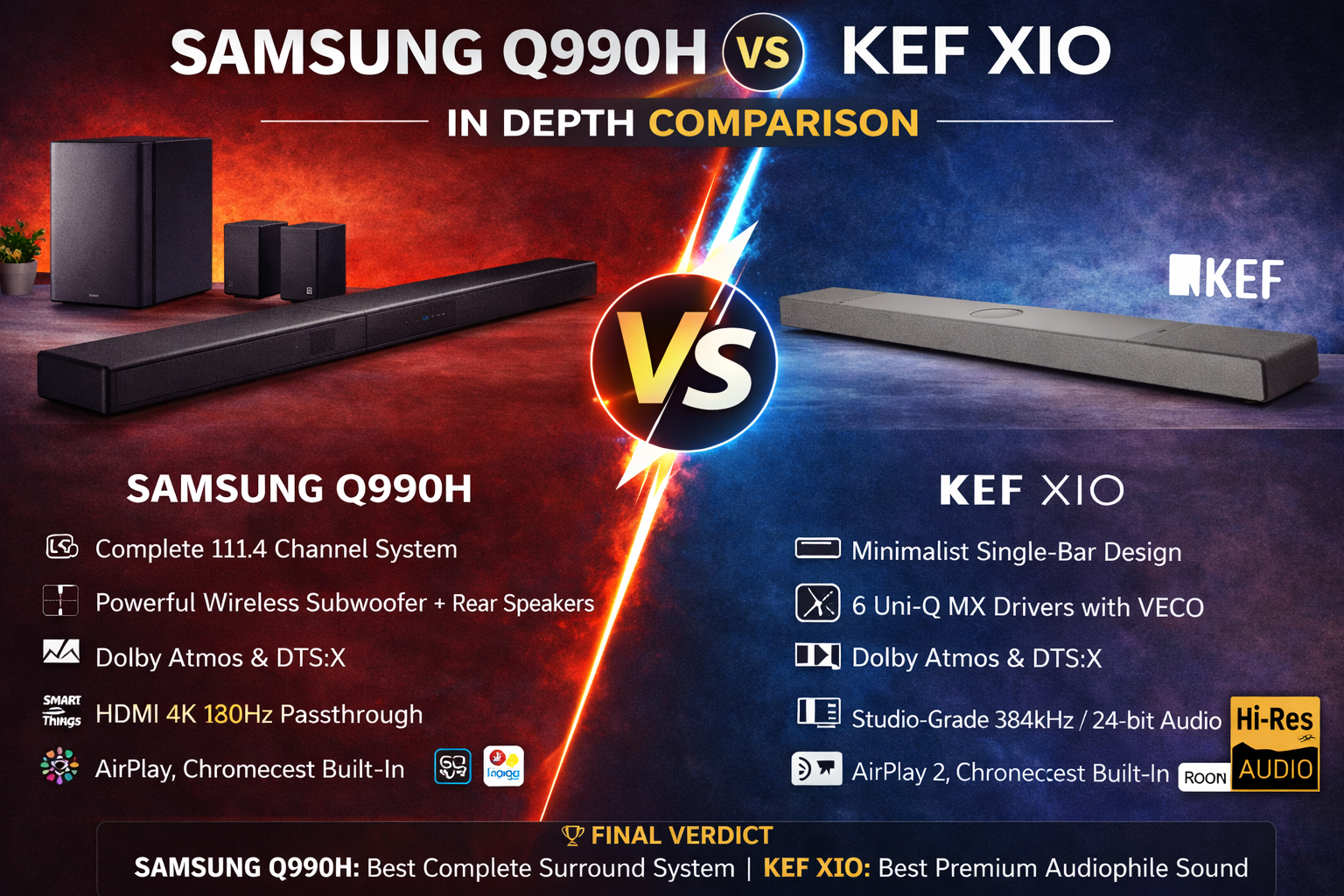
After living with both systems and running them through every test I could think of—movies, music, gaming, even background listening while cooking—I'm confident saying neither is universally better; it comes down to your priorities and room layout. The Samsung Q990H delivers true surround immersion, powerful bass from a dedicated sub, and enough smart features to satisfy most families. Its 11.1.4 setup with wireless rears simply creates a bigger, more cinematic experience that still feels magical months later. Power consumption stays low across the system, setup is surprisingly simple, and the price-to-performance ratio feels excellent for what you get.

The KEF XIO, however, is the refined choice for audiophiles who want stunning clarity, high-resolution streaming, and a clutter-free design. Its Uni-Q drivers and precise engineering make music and Atmos content sound more natural and detailed, even if it can't match the Samsung's enveloping scale.

Ultimately, in the Samsung Q990H vs KEF XIO In Depth Comparison, I would pick the Samsung Q990H for most people chasing that full home-theater thrill without breaking the bank or complicating their living room. If your listening leans heavily toward music and you prefer a single elegant bar, the KEF XIO is worth every penny for its sonic purity. Both are excellent in 2026, but the Samsung edges ahead for sheer excitement and versatility in my everyday life. Whichever you choose, you'll be smiling at the first big explosion or soaring vocal—trust me on that.

Community Choice

Which one would you choose?

0%
0%

User Feedback

Leave a comment

Recent Feedback (0)

No feedback yet

Be the first to share your thoughts!

Frequently Asked Questions

Q: Which soundbar is better for a full movie theater experience?

For a truly cinematic experience, the Samsung Q990H is the clear winner. Its 11.1.4 channel setup with dedicated wireless rear speakers and a powerful subwoofer creates a 360-degree sound bubble that makes you feel like you’re in a theater. Explosions are visceral, and overhead effects from movies like Dune are genuinely convincing. The KEF XIO, while amazing, offers a more focused, albeit precise, soundstage that doesn't envelop you in the same way.

Q: Which is better for listening to music, especially high-resolution audio?

If you're an audiophile, the KEF XIO is the superior choice. Its Uni-Q MX drivers deliver stunning clarity, imaging, and detail that brings out the nuances in music—like the subtle brush of a snare drum or decay of a piano note. It supports high-resolution streaming up to 384kHz/24-bit over a network, making it perfect for services like TIDAL or Qobuz. The Samsung Q990H is excellent for music, but it tends to smooth over some fine details for a more "big" and energetic sound.

Q: What are the main differences in design and setup?

This is where their philosophies diverge completely. The Samsung Q990H is a complete "theater-in-a-box" system with a main bar, a large wireless subwoofer, and two rear speakers. Setup is wireless, but it takes up more physical space in your room. The KEF XIO is a minimalist’s dream—a single, elegantly crafted bar that houses everything. It’s a one-and-done solution with zero clutter, making it ideal for those who value simplicity and a clean aesthetic.

Q: Which soundbar is better for gaming?

Both are great, but for gamers, the Samsung Q990H has a slight edge. It features a dedicated "Game Pro" mode that enhances spatial cues like footsteps and gunfire, giving you a competitive advantage. Its two HDMI inputs also allow you to connect a gaming console and a Blu-ray player directly to the soundbar, supporting 4K at 120Hz passthrough for a lag-free experience. The KEF XIO relies on your TV’s single HDMI eARC port for everything.

Q: How do the connectivity options compare?

The Samsung Q990H is more versatile for a multi-device home theater. It includes two HDMI inputs, one HDMI output, Bluetooth 5.3, Wi-Fi, and supports SmartThings, Chromecast, and AirPlay. The KEF XIO streamlines connectivity to focus on pristine audio, with a single HDMI 2.1 eARC port, optical input, and robust network streaming options like UPnP, Wi-Fi 6, and high-res audio support. If you have a PS5, Xbox, and a 4K player, the Samsung is more flexible.

Q: Which soundbar is more future-proof?

Both are well-equipped for 2026 and beyond. The Samsung Q990H offers a wider array of smart features like Chromecast, AirPlay, and Roon Ready, ensuring it works with most ecosystems. The KEF XIO feels future-proof in the audiophile realm with its support for Wi-Fi 6, high-resolution audio streaming (up to 384kHz/24-bit), and its single, high-quality HDMI 2.1 eARC port that supports all the latest lossless audio formats.

Q: Which is better for a small apartment or a living room with limited space?

The KEF XIO is tailor-made for this scenario. Its single-bar design means you don't have to find spots for a subwoofer or rear speakers, which is a massive plus in a smaller space. It delivers a huge, clear sound without the physical footprint. The Samsung Q990H's performance is at its best when the sub and rears are placed optimally, which can be challenging in a cramped apartment.

Q: Which soundbar has better dialogue clarity?

Both handle dialogue excellently, but through different methods. The Samsung Q990H uses its "Active Voice Amplifier Pro" feature to automatically boost dialogue clarity during loud scenes, ensuring you never miss a word in action-packed movies. The KEF XIO achieves dialogue clarity through its superior driver engineering; vocals are simply rendered with pinpoint accuracy and natural clarity, sitting perfectly in the center of the soundstage.

Q: Is the price difference between the Samsung Q990H and KEF XIO justified?

It depends on your priorities. The Samsung Q990H offers incredible value, giving you a full 11.1.4 channel system with rears and a sub for a price that feels justified by its sheer cinematic scale. The KEF XIO is priced for its high-end, single-bar engineering, luxury build quality, and audiophile-grade sound. If you want immersive surround sound, the Samsung justifies its price. If you want the pinnacle of clarity and design in one bar, the KEF is worth the investment.

Q: So, which one should I ultimately buy?

This is the final verdict: choose the Samsung Q990H if your heart is set on a full, immersive home theater experience for movies and games, and you don't mind having a few speakers around the room. It’s the exciting, versatile all-rounder. Choose the KEF XIO if you prioritize a clutter-free, elegant design and your main focus is on pristine, high-resolution music listening, with movies being a close second.