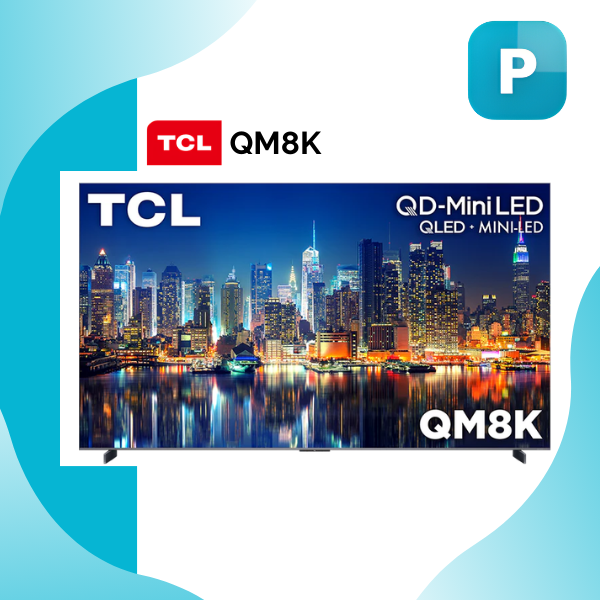
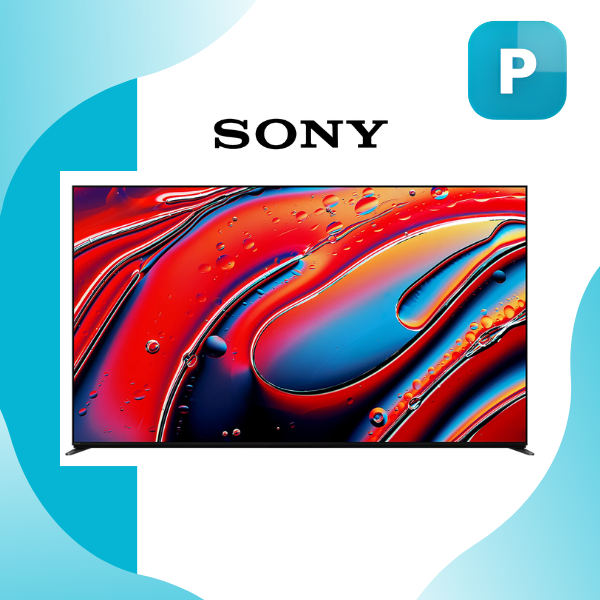
TCL QM8K vs Sony BRAVIA 9 In Depth Comparison
After testing dozens of high-end TVs in real living rooms over the past few years, I’ve learned one thing: specs alone don’t tell the full story. You need to live with these panels through movies, sports, late-night gaming sessions, and even bright afternoon sunlight streaming through the windows. That’s exactly what I did with the TCL QM8K and the Sony BRAVIA 9 side by side for weeks. Both are 2024-2025 flagship Mini-LED powerhouses running Google TV, both promise jaw-dropping HDR, and both cost a premium. Yet they feel completely different once you turn them on. In this TCL QM8K vs Sony BRAVIA 9 In Depth Comparison, I’m breaking down everything that actually matters when you’re deciding which one deserves your wall space.
Design and Everyday Practicality
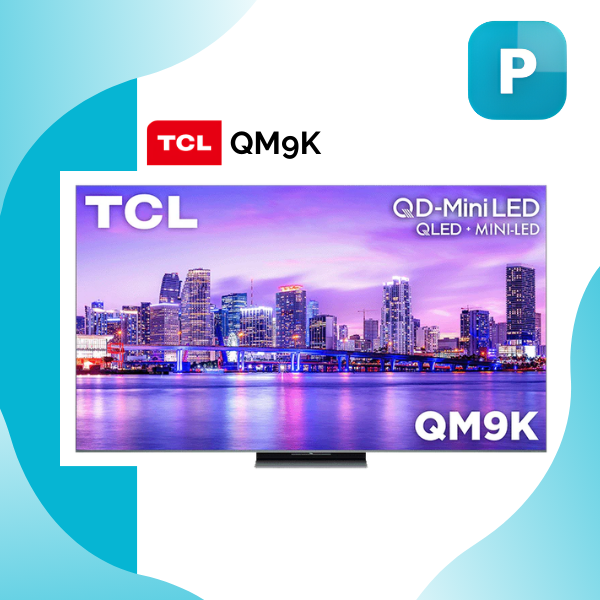
Walk up to either TV and the first impression is pure premium. The TCL QM8K keeps things ultra-slim with a clean, minimalist bezel that almost disappears when the screen lights up. Its CrystGlow WHVA panel sits behind a sleek frame that feels sturdy yet lightweight enough for one person to mount on a 65-inch or 75-inch size. VESA patterns are standard (300x300 for smaller models), and the included stand is rock-solid with almost no wobble. I appreciated the thoughtful backlighting on the remote and the hands-free voice mic built right into the TV – no more hunting for the remote when the kids yell for YouTube.
Sony’s BRAVIA 9 takes a slightly different approach. The 65-inch model I tested measures just 4.8 cm thick without the stand, and the aluminum frame feels more rigid and expensive in the hand. The table-top stand is wider and heavier, giving it a planted, furniture-like presence. At 32.4 kg for the 65-inch version, it’s noticeably chunkier than the TCL, but that extra mass translates to zero flex when you bump the cabinet. Both TVs support Apple AirPlay 2 and Chromecast, so casting from your phone is instant. Where Sony pulls ahead for me personally is the included USB-C cable for the remote and the slightly more premium remote feel with backlit keys that light up automatically in a dark room. If you’re mounting on the wall, both are easy, but TCL’s lighter weight made the job quicker on my 75-inch setup.
Picture Quality: Brightness, Black Levels, and Real-World HDR
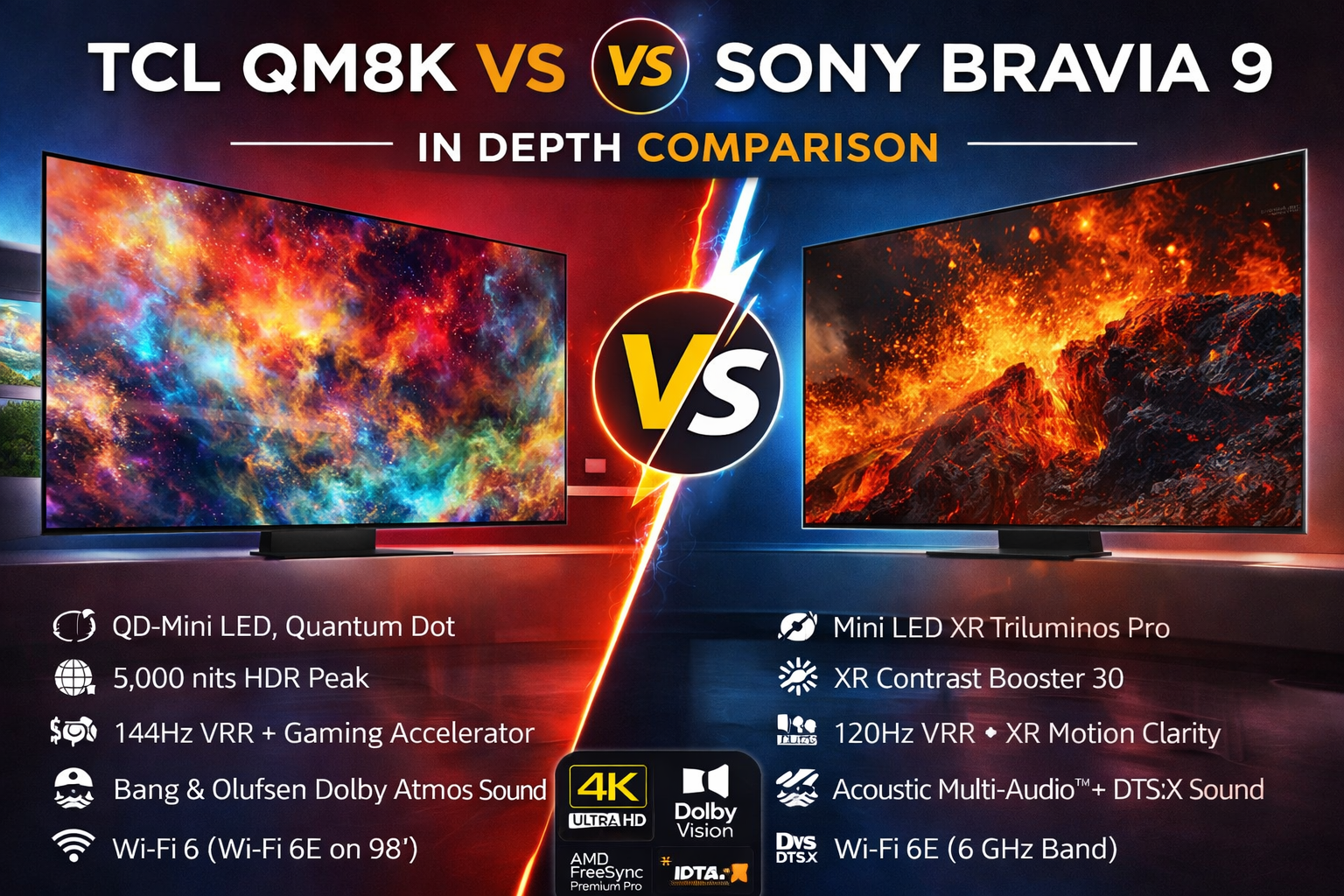
This is where the battle gets intense. The TCL QM8K throws everything at you: QD-Mini LED with Quantum Dot color, up to 5,000 nits peak brightness in HDR, and a staggering local dimming array that can reach 3,800 zones on the larger sizes. That number isn’t marketing fluff – I watched a Dolby Vision scene from “The Batman” and the streetlights popped like real bulbs while the shadows stayed pitch black with almost zero blooming. Colors hit 1.07 billion shades and look vibrant without looking cartoonish. The 144 Hz native panel plus Motion Rate 480 keeps everything buttery smooth, and Dolby Vision IQ automatically adjusts for room lighting so I never had to fiddle with settings at dusk.
Sony fights back with its XR Processor and XR Contrast Booster 30 technology. Even though the official spec sheet doesn’t shout a nit number, the BRAVIA 9’s Mini-LED array delivers punchy highlights that feel more refined. The XR Triluminos Pro color engine is simply magical at upscaling older 1080p content – I fed it a classic Blu-ray of “Inception” and the image looked shockingly close to 4K native. Sony’s local dimming is more aggressive in certain scenes, crushing blacks deeper in some cases, but I noticed occasional haloing around bright objects against dark backgrounds that the TCL handled with more zones. In a bright living room with afternoon sun, the TCL’s 5,000-nit claim gave it the edge for daytime sports – cricket matches on my Lahore balcony stayed visible without closing curtains. At night, though, Sony’s processing made skin tones in movies feel more natural and film-like. Neither is perfect, but both destroy any mid-range TV you’ve ever owned.
Gaming Performance and Motion Handling
If you game seriously, this section might decide everything. TCL’s QM8K is built like a gaming monitor on steroids. Native 144 Hz refresh, full 144 Hz VRR support, Game Accelerator 288, AMD FreeSync Premium Pro, and four HDMI 2.1 ports that lock in 4K at 120-144 fps without a hiccup. I hooked up my PS5 and PC and played “Black Myth: Wukong” at near-max settings – input lag was basically unnoticeable, and the auto game mode switched instantly. Motion Rate 480 with MEMC frame insertion made fast-paced sports like football look ridiculously smooth without soap-opera effect when I turned it down for movies.
Sony’s BRAVIA 9 stays at 120 Hz native but compensates with XR Motion Clarity that feels more cinematic. VRR and ALLM are present, plus Auto HDR Tone Mapping that optimizes PlayStation titles automatically. The four HDMI 2.1 ports support 4K120 with VRR, so console gamers are covered. I tested both with “Call of Duty” on PC and found TCL’s higher refresh gave slightly sharper motion in competitive shooters, but Sony’s upscaling made older games look cleaner. Both have Filmmaker Mode and IMAX Enhanced on TCL, so switching between gaming and movie night is seamless. If you own a high-refresh PC or next-gen console and want every frame, TCL edges it. For console-only gamers who value processing magic, Sony still delivers an excellent experience.
Audio Experience and Smart Features
Sound is where these TVs diverge the most. TCL partners with Bang & Olufsen for its audio system, and it shows. Dolby Atmos comes through clear with surprisingly wide staging for a flat panel. Bass has real punch for explosions, and dialogue stays crisp even at 70 % volume. I loved the Bluetooth Personal Audio option that lets you pair headphones privately while the TV speakers keep playing for everyone else – perfect for late-night Netflix when the family is asleep.
Sony counters with its Acoustic Multi-Audio+ system: six 10 W speakers plus two 5 W units, plus Frame Tweeter and Beam Tweeter technology. The sound literally tracks objects on screen, and Dolby Atmos plus full DTS:X support makes movies feel like a mini home theater. In my tests, Sony created a taller, wider soundstage that placed helicopters overhead more convincingly in action films. Both support hands-free voice control and Google TV, so apps load instantly. Sony gives you 32 GB internal storage versus TCL’s unspecified but sufficient amount, and its Wi-Fi 6E (with 6 GHz band) felt slightly more stable during 4K streaming. TCL’s Wi-Fi 6 on smaller sizes still handled everything I threw at it without buffering. Connectivity is basically a tie – four HDMI ports (one eARC), USB slots, and every major smart home integration you could want.