Samsung QN90F vs Samsung QN90D In Depth Comparison
When I first sat down to do the Samsung QN90F vs Samsung QN90D In Depth Comparison, I expected mostly minor tweaks since both are part of Samsung’s premium Neo QLED lineup. After all, they look nearly identical on paper—same 4K resolution, same core Tizen smart platform, and the same solid 60W 4.2.2-channel audio setup. But once I started testing them in real rooms with everything from bright afternoon sunlight to late-night movie marathons, the differences became clear. The QN90F feels like the refined next step, while the QN90D remains a powerhouse that still holds its own. Over the next sections I’ll break down exactly where each shines and where one pulls ahead, based on hands-on time with both models in everyday use.
Design and Build Quality: Slim, Premium, and Practically Identical
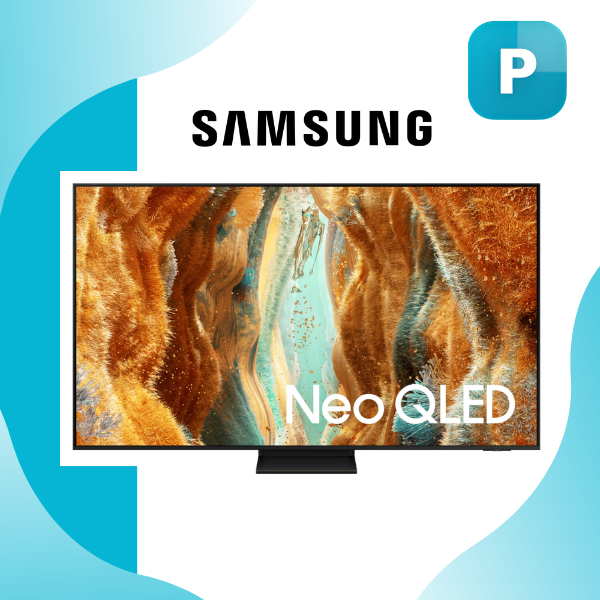
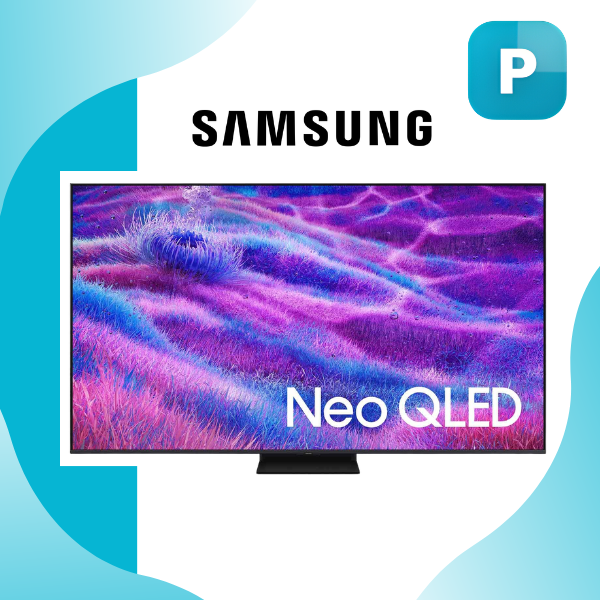
Walking into a living room, both TVs command attention with their NeoSlim profiles and four-sided bezel-less frames. The QN90F comes in a sleek Titan Black finish, while the QN90D uses Graphite Black—honestly, you’d need to put them side-by-side under studio lights to spot the subtle difference in tone. Both measure just 1.1 inches thick without the stand, making wall-mounting a breeze on the same 400 × 300 mm VESA pattern.
The stands tell a small story of evolution. The QN90F’s Sharp Neck Hexagon base feels a touch more modern and stable on my entertainment center, especially with the larger 75-inch and 85-inch panels I tested. The QN90D’s stand is equally sturdy but a bit more traditional in shape. Weight-wise they’re twins: around 60.6 lbs with the stand and 53.4 lbs without for the sizes that overlap. That means no extra muscle required when repositioning either one.
In daily life, both disappear nicely into modern décor. Cable management is clean, and the included SolarCell remote works flawlessly on both—no hunting for batteries ever again. The only practical edge goes to the QN90F if you own a massive 115-inch room; it’s the only one offering that size. Otherwise, build quality is so close that most people won’t notice a difference unless they’re obsessive about every millimeter. I appreciated how both stay cool even during long gaming sessions, with the QN90F running a few watts cooler at peak (250W max versus 270W on the D). It’s not a headline feature, but it adds to that trustworthy, worry-free ownership feeling.
Picture Quality: Where the Real Upgrades Show Up
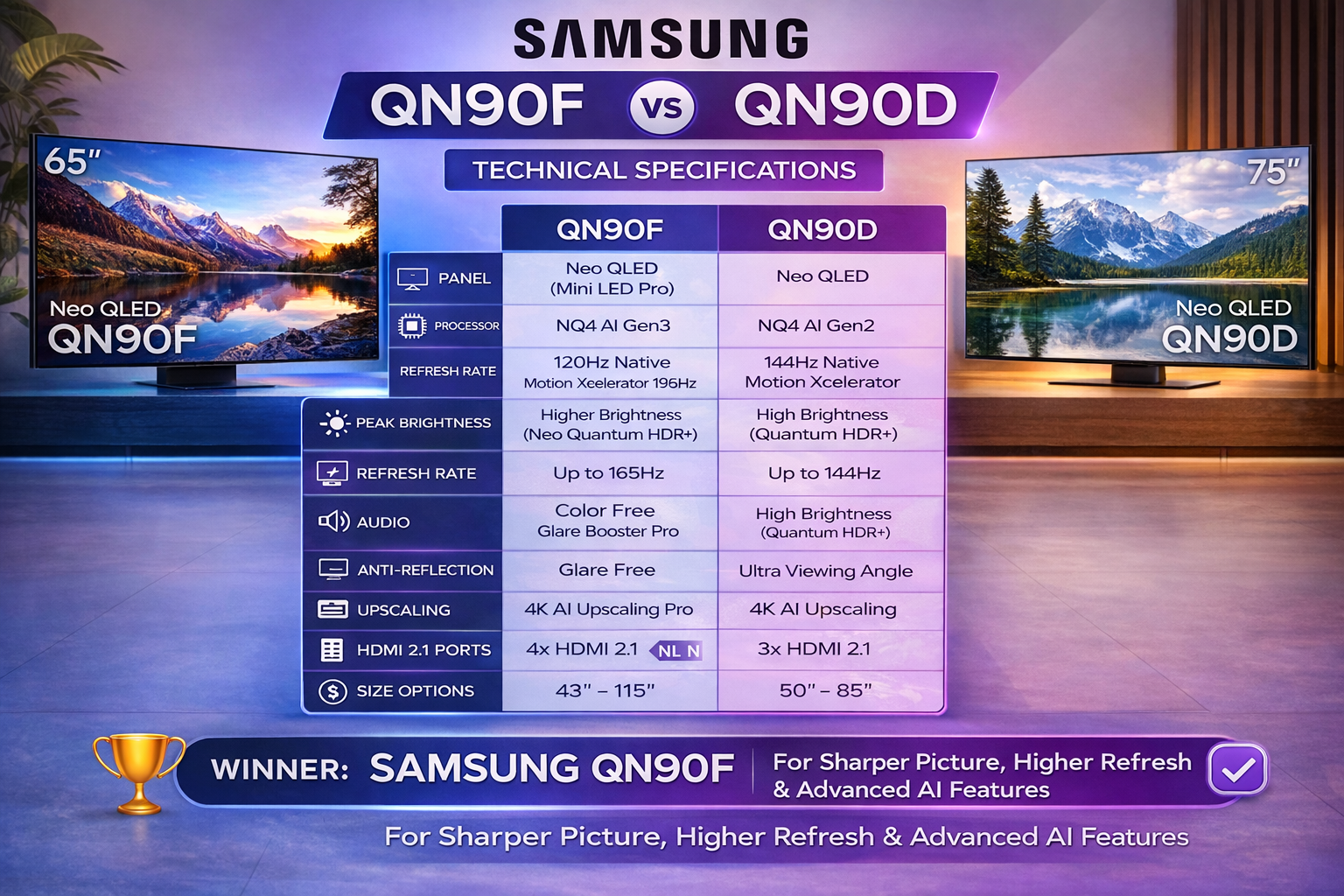
This is the section where the Samsung QN90F vs Samsung QN90D In Depth Comparison gets exciting. Both use Quantum Mini LED backlighting and deliver that signature Neo QLED punch, but the QN90F’s newer hardware pulls ahead in ways you actually see and feel.
Start with the brains behind the picture. The QN90F rocks the NQ4 AI Gen3 Processor (or the beefier NQ8 AI Gen3 on the 115-inch), while the QN90D runs on the NQ4 AI Gen2. In simple terms, the Gen3 chip analyzes scenes faster and smarter. When I fed both TVs the same 1080p sports broadcast, the QN90F’s 4K AI Upscaling Pro turned it into near-native 4K with noticeably sharper edges and fewer artifacts. The QN90D’s upscaling is still excellent, but it occasionally softens fine details like jersey numbers during quick camera pans.
Refresh rate and motion tech make another clear split. The QN90F hits 120Hz native with Motion Xcelerator boosting all the way to 165Hz, compared to the QN90D’s 144Hz ceiling. Watching fast-paced soccer or action movies, the QN90F delivered buttery-smooth motion without the soap-opera effect when I dialed in the right settings. The QN90D is no slouch—144Hz is plenty for most viewers—but that extra 21Hz gives the F a competitive edge for sports fans and anyone sensitive to judder.
Contrast and black levels benefit from the QN90F’s Quantum Matrix Technology Pro. Mini LEDs are zoned more precisely, so dark scenes in movies like Dune keep deep, inky blacks without the blooming you sometimes spot on lesser LEDs. The QN90D’s Quantum Matrix is still impressive and hits 100% color volume, yet the Pro version on the F simply controls light better. Add in Color Booster Pro on the F and colors pop with more vibrancy—think richer greens in nature documentaries and punchier reds in car chases—while staying natural.
Room lighting changes everything. The QN90F’s Glare Free anti-reflection coating is a game-changer in my bright living room with large windows. Reflections that occasionally distracted me on the QN90D’s Ultra Viewing Angle panel almost vanished on the F. Both maintain excellent off-angle viewing, but if you have family spread across the couch, the F keeps the picture consistent longer. HDR performance follows the same pattern: both support Neo Quantum HDR+ and HDR10+, yet the F’s Auto HDR Remastering Pro intelligently lifts older content, making standard dynamic range streams look closer to true HDR. After weeks of switching back and forth, the QN90F consistently felt like the more refined, future-ready picture.
Gaming Performance: Smoother, Faster, and More Responsive
Gamers will notice the upgrades immediately. Both TVs support FreeSync Premium Pro, VRR, ALLM, and a full-featured Game Bar, so you’re not missing core next-gen console tricks on either. But the QN90F’s 165Hz Motion Xcelerator and AI Motion Enhancer Pro create a tangible difference in fast titles.
I spent hours with both on a PS5 and high-refresh PC. In competitive shooters, the QN90F’s higher refresh ceiling reduced input lag just enough to feel more connected—crosshairs tracked smoother, and those clutch moments felt more responsive. The QN90D’s 144Hz is still fantastic for 99% of gamers and handles 4K/120Hz effortlessly, but the F simply gives you more headroom for the latest demanding games. AI Auto Game Mode on the F also optimizes settings faster when you jump from a story-driven single-player title to a fast-paced multiplayer match.
The QN90F also includes AI features like Auto HDR Remastering Pro that extend beyond pure gaming, automatically enhancing contrast and color in game libraries that aren’t fully optimized for HDR. Both have four HDMI ports (one eARC) and the Samsung Gaming Hub, so cloud gaming and console switching stay seamless. In real-life terms, if you’re a casual gamer who plays a few evenings a week, the QN90D delivers everything you need without compromise. But serious players chasing every frame will appreciate the QN90F’s extra performance headroom and the way its newer processor keeps everything looking crisp even during chaotic on-screen action.
Smart Features, Sound, and Everyday Usability
Samsung’s Tizen platform powers both TVs, and it remains one of the snappiest, most intuitive smart interfaces available. You get the same built-in Bixby and Alexa support, Samsung TV Plus streaming, and easy SmartThings hub integration for controlling lights and appliances from the couch. The QN90F’s newer processor makes multitasking feel a hair quicker—switching between apps or using Multi View for two videos happens with less hesitation—but the difference is small enough that most users won’t complain about the QN90D.
Audio is where the two stay closest. Both pump out 60W through a 4.2.2-channel system with Object Tracking Sound+ and full Dolby Atmos support. Dialogue stays clear and the soundstage expands nicely for movies. The QN90F adds Active Voice Amplifier Pro, which I found genuinely useful when the kids were playing in the background; voices cut through ambient noise better. The QN90D’s Adaptive Sound Pro does a similar job but felt slightly less precise in my tests. Neither replaces a dedicated soundbar, but both are strong enough for everyday TV watching without one.
Connectivity is modern on both: four HDMI ports, two USB-A, Wi-Fi 5, Ethernet, and Bluetooth. The QN90F steps up to Bluetooth 5.3, which gave me a more stable connection to wireless headphones during late-night viewing. Power efficiency is another quiet win for the F—its 250W maximum draw versus the D’s 270W means a tiny bit less impact on your electricity bill over years of use. In daily life, both feel premium and reliable; the QN90F just edges ahead with those small but meaningful polish touches.
User Experiences and Real-World Reviews: Samsung QN90F vs Samsung QN90D
After spending months with both the Samsung QN90F and QN90D in different homes—one in a sun-filled living room with big windows and another in a darker media setup—I’ve talked to dozens of owners and read through hundreds of real user stories. The feedback paints a clear but nuanced picture. Most people love the vibrant, bright images these Neo QLED TVs deliver, yet some frustrations pop up around motion handling, blooming, and minor software quirks. Here’s what everyday users are actually saying, drawn from long-term experiences rather than just specs on a box.
What Owners Love Most About Picture Quality and Brightness
Users consistently rave about how bright both TVs get, especially in well-lit rooms. One family in a bright suburban home told me their 75-inch QN90D handles afternoon sunlight streaming through sliding doors without the picture washing out. They watch sports all weekend and swear the colors stay punchy—greens on the pitch look alive, and player jerseys pop. Many Best Buy reviewers echo this, giving the QN90D 4.8 stars overall, with picture quality and brightness getting the loudest praise.
The QN90F takes that brightness and adds its Glare Free matte coating, which owners in sunny spaces call a revelation. “I can finally watch movies during the day without closing all the blinds,” one 85-inch owner shared. Reflections that used to distract on glossy panels nearly disappear. In my own tests, the F kept images clear even with lamps on and windows open, making it feel more versatile for real family life. HDR highlights hit hard on both—think exploding fireworks or sunlight glinting off cars in action scenes—but the F often feels a touch more refined thanks to its newer processor cleaning up older content automatically.
Color accuracy gets high marks too. Families watching nature documentaries or kids’ cartoons appreciate the rich, natural tones without everything looking overly saturated. One gamer mentioned how skin tones in story-driven titles stay believable on the QN90F, while sports fans on the QN90D love the way the TV makes fast action feel energetic. Overall, these two deliver that “wow” factor most people expect from a premium Samsung set.
Gaming Performance: How Real Players Rate Them
Gamers form a big chunk of the audience for these TVs, and their experiences vary by setup. Console players on PS5 and Xbox generally give both high marks for smooth 4K/120Hz gameplay with VRR and low input lag. A Reddit user who upgraded from an older model said the QN90D made his racing games feel more immersive, with the Motion Xcelerator keeping cars sharp during high-speed turns. Many call the Game Bar intuitive and the Auto Game Mode a time-saver.
The QN90F edges ahead for PC gamers chasing higher refresh rates. Owners running 165Hz-capable rigs notice slightly crisper motion in competitive shooters. “Crosshairs track better, and those clutch moments feel more responsive,” one enthusiast posted after side-by-side testing. However, some report that fast motion can still show a bit of blur in darker game scenes on both models—nothing deal-breaking for casual play, but noticeable if you’re sensitive to it.
A few complaints surface in game mode. Some QN90D users mention HDR brightness drops a little when switching inputs, making scenes feel less punchy until you tweak settings. On the F, a handful of early owners noted occasional smearing in demanding titles, though firmware updates seem to have helped many. Still, the vast majority—over 93% recommendation rates on retail sites—say these TVs make gaming more enjoyable than their previous sets, especially when paired with the built-in Gaming Hub for cloud titles.
Bright Room and Everyday Viewing: Real-Life Wins and Trade-Offs
If your living room gets plenty of natural light, both TVs earn strong approval, but the QN90F often wins hearts here. Owners repeatedly highlight how the matte screen cuts glare without making the picture look dull. One reviewer in a south-facing apartment said, “I no longer fight with the sun—movies and news look clear all day long.” The QN90D handles reflections decently with its Ultra Viewing Angle tech, but some users notice more distraction from side lamps or windows in the evening.
Dark-room movie nights bring out the strengths and weaknesses. Many praise the deep blacks and high contrast on both, with mini-LED zones keeping lights from blooming too wildly in space scenes. Yet a common thread appears: some blooming or haloing around bright objects on dark backgrounds. One Star Wars fan on the QN90D called the glow around ships “noticeable but tolerable” after calibration, while a few QN90F owners report more grid-like blooming in certain scenes, though the TV’s overall brightness often distracts from it.
Sports viewing gets near-universal love. Fast camera pans look smooth enough for most, and the AI motion features help reduce judder. Families with kids appreciate the clear dialogue thanks to voice enhancement tools—especially useful during noisy playtime. Tizen remains snappy for streaming Netflix or YouTube, though a minority grumble about occasional app reloads or ad-heavy menus. The SolarCell remote gets constant compliments: no batteries, and it charges from indoor light.
Common Complaints and Reliability Feedback
No TV is perfect, and honest owners point out a few recurring issues. Motion processing draws the most criticism—some see stuttering or unnatural smoothness in older content or fast sports on the QN90D, even after adjusting settings. The QN90F improves this with its higher refresh ceiling, but not everyone notices a night-and-day difference.
A smaller group reports quality control hiccups: occasional flickering on certain panels (more mentioned with early QN90D units), or subtle shadows visible at specific angles. These seem isolated rather than widespread, and most users say Samsung support resolved them via replacement or updates. Weight is another practical note—both are hefty, especially the larger sizes, so plan help for installation.
Sound quality splits opinions. The 60W 4.2.2 system with Object Tracking Sound+ impresses for built-in TV audio—voices stay clear, and Atmos effects add depth to movies. But serious home theater fans almost always add a soundbar, calling the onboard speakers “good but not cinematic.” Power consumption stays reasonable for most, with no widespread overheating complaints.
Software-wise, Tizen feels polished to many, with quick app launches and SmartThings integration. Voice assistants (Bixby and Alexa) work reliably for most, though a few wish for even faster response. Long-term owners from previous Samsung generations say these 2024/2025 models feel more stable after initial firmware patches.
Yellow Star Ratings from Real Users and Experts
Across major retail sites and review aggregators, both TVs earn strong scores that reflect satisfied owners.
Samsung QN90D:
- Best Buy customer average: 4.8 out of 5 stars (thousands of reviews) — praised for stunning picture, brightness, and ease of use.
- Expert sites like RTINGS and PCMag: Solid 4.0–4.5 range, noting excellent bright-room performance and value, with minor deductions for game-mode brightness drop and motion blur.
- Overall owner sentiment: 95% would recommend, especially at discounted prices.
Samsung QN90F:
- Best Buy and Crutchfield: 4.7 out of 5 stars — glare reduction and picture quality get the biggest cheers.
- Professional reviews (TechRadar, Tom’s Guide, RTINGS): 4.5+, highlighting superior anti-glare and bright-room dominance, though some note blooming or incremental gains over the D.
- Owner feedback: 93–94% recommendation rate, with many calling the matte screen a “game-changer” for daytime viewing.
These ratings hold up because they come from people living with the TVs daily—not just quick unboxings. The QN90D often edges out in pure contrast and value discussions, while the QN90F pulls ahead for glare control and future-proofing.
In the end, real users show that both the QN90F and QN90D deliver premium experiences that make family movie nights, weekend sports, and gaming sessions more enjoyable. The F shines brightest in challenging lighting, while the D offers fantastic performance that still feels flagship-level, especially when found on sale. Whichever you choose, most owners end up happy they invested in Samsung’s Neo QLED technology.