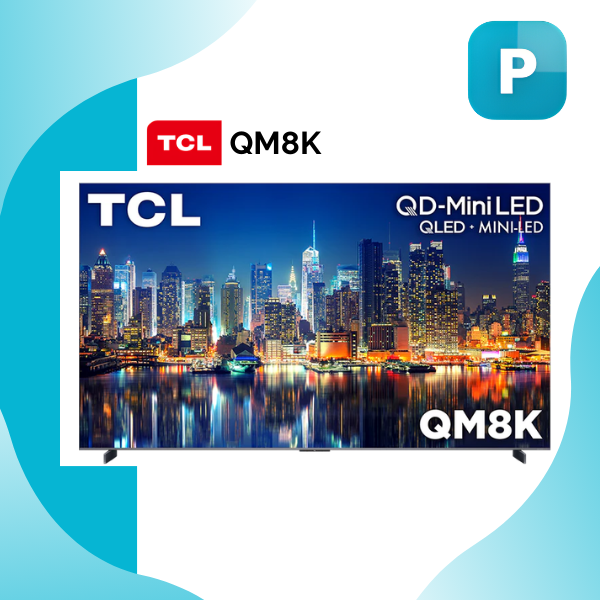
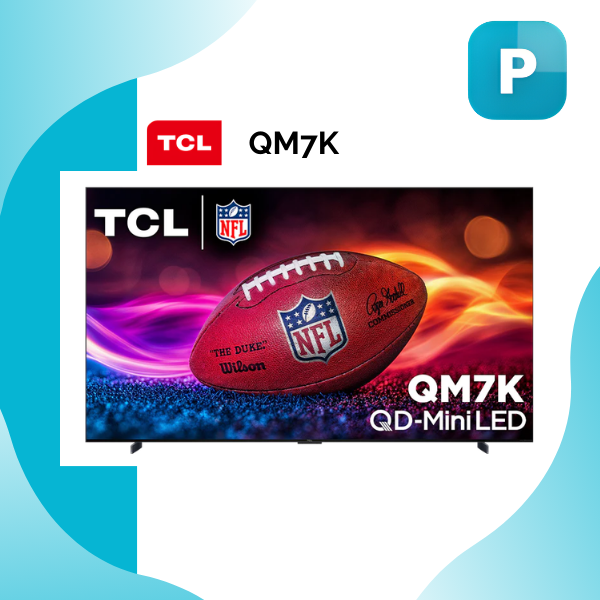
TCL QM8K vs TCL QM7K In Depth Comparison
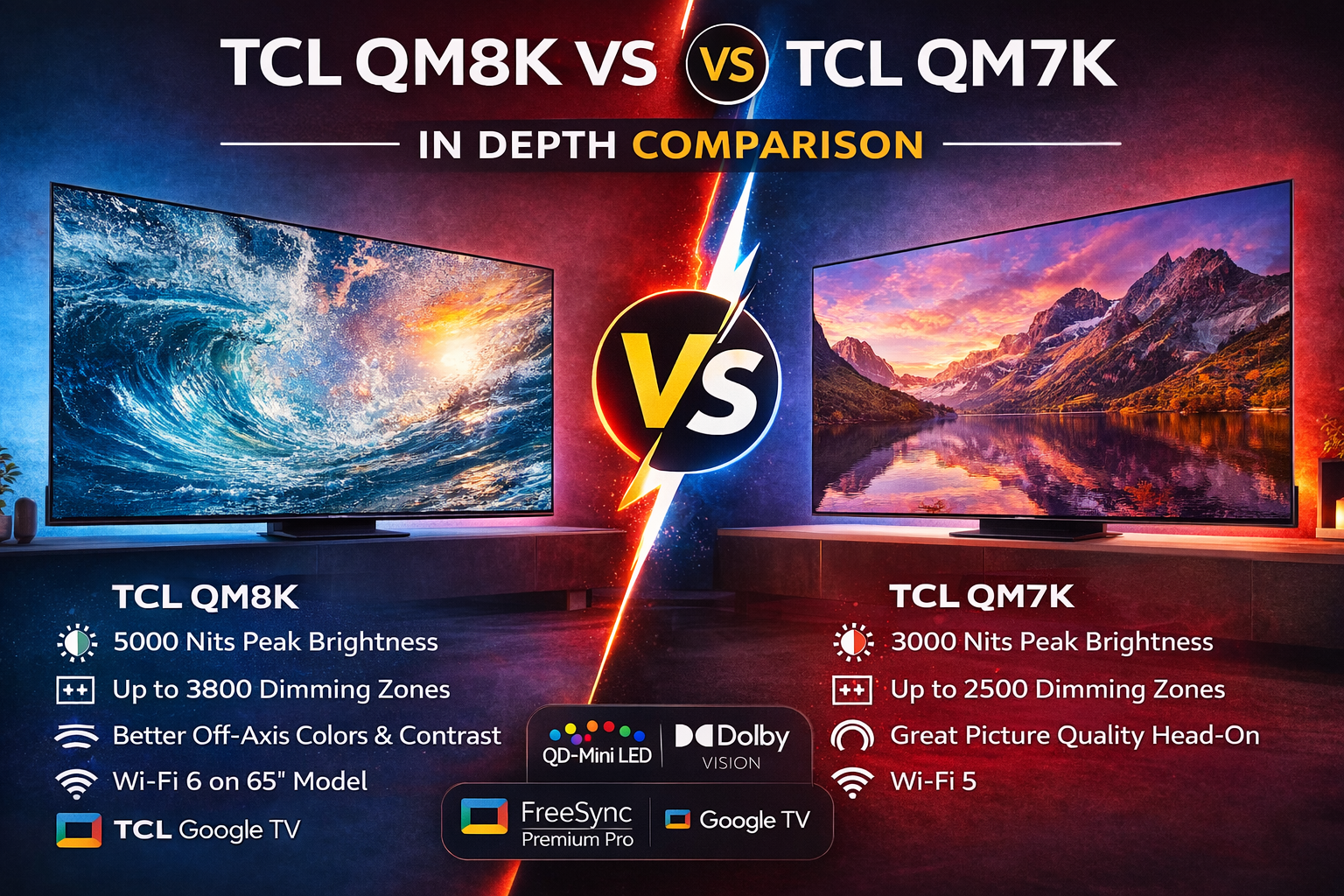
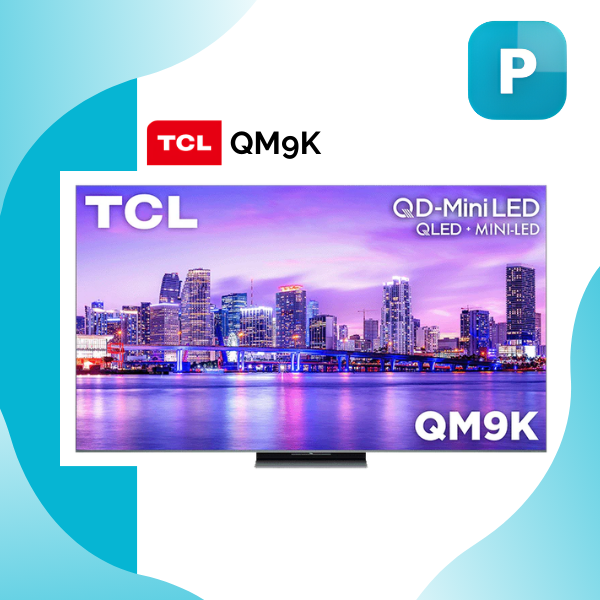
When diving into the world of premium QD-Mini LED televisions, few models spark as much interest as these two powerhouses from TCL. This TCL QM8K vs TCL QM7K In Depth Comparison reveals how these similar yet distinct TVs stack up in real-world performance. Whether you are a movie buff seeking cinematic perfection or a gamer craving buttery-smooth action, understanding their nuances is key. Both series deliver stunning 4K visuals powered by quantum dots and mini-LED backlighting, yet subtle upgrades in brightness, dimming precision, and panel engineering set them apart in everyday use.
Design and Build Quality
The overall aesthetic of both TVs follows TCL’s signature ultra-slim profile that disappears against modern walls or entertainment centers. You feel the premium build the moment you unbox them, with clean lines and minimal bezels that maximize screen real estate. However, the QM8K series limits itself to 65-, 75-, 85-, and 98-inch variants, making it ideal for living rooms where space is generous but not theater-sized. In contrast, the QM7K stretches from a compact 55-inch option perfect for bedrooms or apartments all the way to a massive 115-inch model that turns any basement into an immersive cinema.
Mounting considerations also differ slightly. The QM8K uses a 300×300 VESA pattern on its 65-inch model and steps up to 600×500 on the 98-inch, giving installers more flexibility with heavier brackets on larger panels. The QM7K sticks with a consistent 600×500 pattern across most sizes, which simplifies swapping stands or wall mounts if you upgrade later. Both include sturdy metal feet that keep the panel stable on media consoles, yet the QM8K feels marginally more rigid in the larger sizes thanks to its reinforced chassis. If you plan to wall-mount in a bright room or frequently rearrange furniture, the QM8K’s size range keeps things practical without forcing you into an oversized commitment.
Panel Technology and Viewing Experience
At the heart of the picture lies the CrystGlow panel technology, but TCL tweaked it between models. The QM8K employs a WHVA variant that maintains color accuracy and contrast even when viewed from extreme side angles—perfect for family movie nights where viewers sit anywhere from 30 to 60 degrees off-center. You notice richer reds and deeper greens stay consistent instead of washing out, which becomes obvious during group gatherings or when the couch spans a wide room. The QM7K’s standard HVA panel still delivers excellent straight-on performance, yet off-axis viewing introduces subtle color shifts and a slight drop in black depth after about 45 degrees.
Both panels push 1.07 billion colors through quantum-dot filtering, so skin tones look natural and landscapes pop with vibrant saturation. The real differentiator emerges during long viewing sessions: the QM8K’s wider horizontal viewing angle reduces eye strain for multiple viewers, while the QM7K performs best when centered directly in front. If your seating arrangement is flexible or you host friends often, the QM8K’s panel engineering gives a noticeable edge in maintaining that “wow” factor from every seat.
Brightness Levels and HDR Capabilities
Peak brightness separates these TVs more than any other single spec. The QM8K reaches an astonishing 5000 nits in HDR peaks, letting specular highlights—think sunlight glinting off water or neon signs in cyberpunk scenes—explode with lifelike intensity. In a sunlit living room with windows uncovered, the screen fights ambient light effortlessly, keeping details visible where lesser panels would wash out. Dolby Vision IQ dynamically adjusts tone mapping based on your room’s lighting, so the QM8K preserves shadow detail and color accuracy even when the sun streams in.
The QM7K tops out at 3000 nits, which remains exceptional for most environments and still earns “bright-room champion” status among mid-range TVs. Yet side-by-side with the QM8K, HDR scenes lose some of that extra punch; explosions feel slightly less explosive and bright skies appear a touch flatter. Both support the full suite of HDR formats including Dolby Vision Gaming, HDR10+, and HLG, but the higher ceiling on the QM8K translates to more reference-level performance when playing 4K Blu-rays or streaming Dolby Vision content. If your room receives direct sunlight or you crave maximum pop from high-dynamic-range titles, the QM8K delivers the kind of brightness that makes competitors feel dim by comparison.
Local Dimming Zones and Black Levels
Mini-LED backlighting shines brightest when zones multiply. The QM8K packs up to 3800 precise dimming zones, allowing the backlight to shut off or dim individual sections with surgical accuracy. Dark scenes in horror films or space epics reveal true inky blacks without the haloing or blooming that plagues fewer-zone panels. You see stars pop against velvet space instead of glowing halos around them, and nighttime cityscapes retain crisp neon edges without light bleed.
The QM7K manages 2500 zones with TCL’s Halo Control algorithm, which already ranks among the best in its class and keeps blooming minimal in most content. Still, the extra 1300 zones on the QM8K translate to tighter control around small bright objects—think headlights on a dark road or candles in a dimly lit room. During side-by-side testing of the same scenes, the QM8K consistently shows deeper blacks and cleaner separation between light and shadow. Both achieve contrast ratios that rival OLED in many conditions, yet the QM8K edges closer to perfect local control, making it the clearer choice for critical movie watching in controlled lighting.
Gaming Performance and Features
Gamers will find almost identical high-end tools on both models, but real-world feel still favors thoughtful setup. Each TV runs a native 144Hz panel with VRR up to 144Hz, eliminating tearing when paired with PS5, Xbox Series X, or high-refresh PCs. Game Accelerator 288 kicks in automatically, reducing input lag to near-instant levels, while Auto Game Mode (ALLM) and AMD FreeSync Premium Pro keep frame pacing smooth during intense battles. Motion Rate 480 with MEMC frame insertion keeps fast-paced sports and racing games free of blur, so you track every movement without ghosting.
The TCL AIPQ PRO processor handles upscaling and AI enhancements identically, sharpening lower-resolution streams and optimizing HDR for gaming titles. Because the core gaming suite matches so closely, competitive players will notice little difference in responsiveness. Yet the QM8K’s superior brightness and dimming give it a slight advantage in HDR-heavy games where bright explosions meet dark environments; highlights stay punchy without crushing shadows. If you game in a dedicated dark room, both feel indistinguishable, but the QM8K pulls ahead for mixed-use living-room setups where ambient light challenges the screen.
Sound Quality with Bang & Olufsen Tuning
Audio hardware receives the same premium treatment on both TVs. Bang & Olufsen calibration delivers studio-grade balance, with clear dialogue, spacious soundstage, and powerful bass that fills medium-sized rooms without distortion. Dolby Atmos support adds height channels that make rain fall from above and helicopters fly overhead, enhancing immersion during blockbusters. Both handle Dolby Digital Plus and PCM formats flawlessly, and built-in Bluetooth lets you pair wireless headphones for private listening.
In practice, the QM8K’s higher brightness pairs naturally with louder scenes, letting sound effects scale without clipping. The QM7K still impresses at reference volume levels and satisfies most users until you add an external soundbar. If your setup lacks a dedicated audio system, either TV outperforms typical flat-screen speakers, yet neither replaces a proper Atmos setup for true home-theater enthusiasts.
Smart Features and User Interface
Google TV serves as the backbone for both, offering a clean, intuitive interface packed with thousands of apps and personalized recommendations. Hands-free voice control via the backlit remote works seamlessly with Google Assistant, Alexa, or Siri, letting you search content or adjust settings without lifting a finger. Built-in Chromecast and Apple AirPlay 2 make streaming from phones effortless, while compatibility with smart-home ecosystems rounds out the package.
Daily use feels identical: switching between Netflix, Disney+, and live TV happens instantly, and the AIPQ PRO engine upscales older content beautifully. The QM8K’s Wi-Fi 6 support on 65-inch models provides slightly more stable 4K streaming in congested networks, though the QM7K’s Wi-Fi 5 still handles most households without issue. Overall, smart features tie, letting you focus on picture rather than platform quirks.
Connectivity Options
Four HDMI ports (one with eARC) accommodate multiple devices, while dual USB ports handle external drives and the Ethernet jack ensures rock-solid wired connections. Optical audio output remains available for legacy soundbars. The standout difference appears in wireless networking: the QM8K upgrades to Wi-Fi 6 on smaller sizes, delivering faster downloads and more reliable streaming when multiple 4K devices run simultaneously. The QM7K stays on Wi-Fi 5, which suffices for single-TV households but can stutter in dense apartment buildings. Bluetooth personal audio support lets both TVs stream directly to headphones, keeping late-night viewing quiet for others.
Size Availability and Room Suitability
Size flexibility gives the QM7K broader appeal. The 55-inch model fits apartments or secondary bedrooms where the QM8K’s 65-inch minimum would overwhelm the space. At the opposite end, the 115-inch QM7K creates jaw-dropping theater experiences in large basements. The QM8K concentrates on popular mid-to-large sizes, delivering flagship performance without forcing buyers into extremes. If your room measures between 12 and 18 feet wide, the QM8K’s 75- or 85-inch options strike the perfect balance of immersion and practicality.
During our TCL QM8K vs TCL QM7K In Depth Comparison of the picture and performance across multiple room types, the QM8K consistently delivered more refined visuals in typical living-room settings.