TV & Smart TV

Samsung QN90F vs Samsung S90F In Depth Comparison

9 views March 16, 2026 Last updated: Mar 16, 2026 8 min read
Login to Save

Detailed Comparison

SpecificationSamsung QN90FSamsung S90F
Display TechnologyNeo QLED (Quantum Mini LED with Quantum Matrix Technology Pro)OLED with self-illuminating pixels
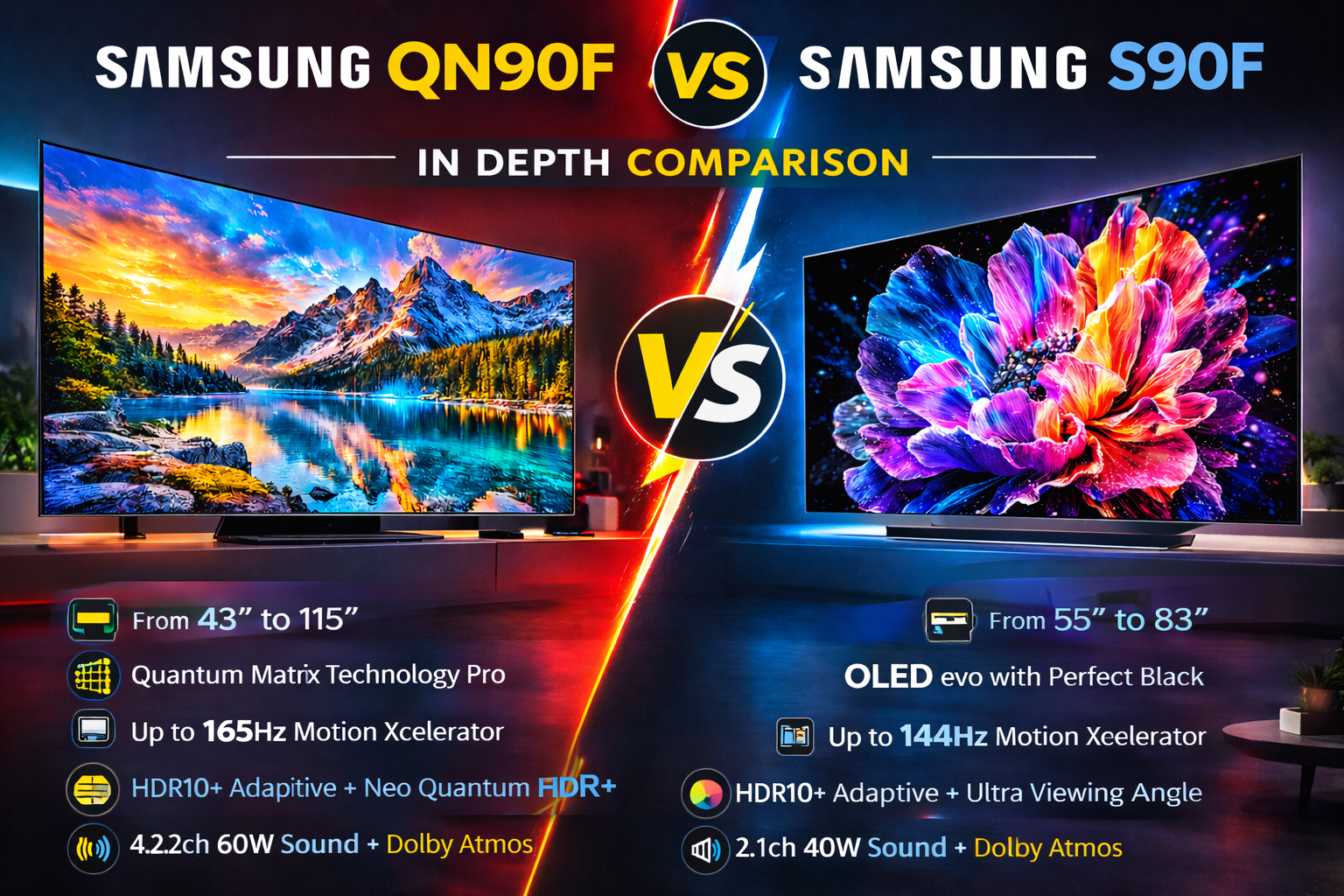
Available Screen Sizes43", 50", 55", 65", 75", 85", up to 115"Up to 83"
Native Refresh Rate120 Hz120 Hz
Maximum Refresh RateUp to 165 Hz (Motion Xcelerator)Up to 144 Hz (Motion Xcelerator)
ProcessorNQ4 AI Gen3 Processor (NQ8 AI Gen3 on 115" model)NQ4 AI Gen3 Processor
Upscaling Technology4K AI Upscaling Pro4K AI Upscaling Pro
HDR SupportNeo Quantum HDR+HDR10+ Adaptive
Picture EnhancementsColor Booster Pro, AI Motion Enhancer Pro, Glare Free coatingReal Depth Enhancer, AI Motion Enhancer Pro, Ultra Viewing Angle
Filmmaker ModeYesYes
Audio Output60W40W
Speaker Configuration4.2.2 Channel2.1 Channel
Audio FeaturesDolby Atmos, Object Tracking Sound+, Active Voice Amplifier ProDolby Atmos, Object Tracking Sound Lite, Adaptive Sound Pro
Q-Symphony SupportYesYes
Gaming FeaturesFreeSync Premium Pro, VRR, AI Auto Game Mode, Gaming HubFreeSync Premium Pro, VRR, AI Auto Game Mode, Gaming Hub
Maximum Gaming Refresh RateUp to 165 HzUp to 144 Hz
HDMI Ports4 HDMI4 HDMI (supports 4K@144Hz)
USB PortsStandard USB ports3 USB-A ports
Operating SystemTizen Smart TVTizen Smart TV
Smart FeaturesSamsung TV Plus, Multi View, AirPlay, SmartThings HubSamsung TV Plus, Multi View, AirPlay, Daily Board
Voice AssistantsBixby, AlexaBixby, Alexa, Google Assistant
Bluetooth VersionBluetooth 5.3Bluetooth 5.3
DesignNeoSlim with 4-bezel-less frameLaserSlim with 4-bezel-less frame
ColorTitan BlackGraphite Black
Stand TypeSharp Neck Hexagon StandSimple Plus Blade Stand
ThicknessVaries by sizeAbout 1.8 inches without stand
Weight53.4–60.6 lb (depending on stand)About 80.7 lb (65-inch model)
VESA Mount400 × 300 mmStandard VESA support
Power Consumption140W typical, 0.5W standby182W typical
RemoteSolarCell RemoteSolarCell Remote

Full Technical Specifications

Feature Samsung QN90F Class Neo QLED Reviews Specifications Samsung S90F Class OLED TV Reviews Specifications
AI Features AI Motion Enhancer Pro, Auto HDR Remastering Pro -
Anti Reflection Glare Free -
Audio Features - Dolby Atmos, Object Tracking Sound Lite, Adaptive Sound Pro, Q-Symphony Pro
Available Sizes 43", 50", 55", 65", 75", 85", 98", 115" 42", 48", 55", 65", 77", 83"
Bezel Type 4 Bezel-less -
Bluetooth Bluetooth 5.3 -
Color - Graphite Black
Color Technology Color Booster Pro -
Contrast - Self-illuminating OLED pixels
Contrast Technology Quantum Matrix Technology Pro -
Design NeoSlim LaserSlim Design, 4 Bezel-less
Digital Audio Out - Optical
Dimensions (With Stand) - 67.7 × 41.7 × 14.1 inches
Dimensions (Without Stand) - 67.7 × 38.9 × 1.8 inches
Display Technology Quantum Mini LED -
Dolby Atmos Yes -
Ethernet 1 LAN Port 1 LAN Port
Front Color Titan Black -
Gaming Features FreeSync Premium Pro, VRR, Game Bar, AI Auto Game Mode VRR, FreeSync Premium Pro, AI Auto Game Mode, Game Bar, Gaming Hub
Gaming Hub Yes -
HDMI ARC - eARC
HDMI Ports 4 4 (Supports 4K 144Hz)
HDR Support Neo Quantum HDR+, HDR10+, HLG OLED HDR+, HDR10+ Adaptive, HLG
Included Accessories SolarCell Remote, Power Cable, User Manual Remote Control, User Manual, Power Cable
Motion Technology Motion Xcelerator 165Hz Motion Xcelerator 144Hz
Object Tracking Sound OTS+ -
Operating System One UI Tizen Tizen Smart TV
Operating Voltage - AC 110-120V ~ 50/60Hz
Optical Audio Out 1 -
Package Weight 74.1 lb -
Picture Features - Real Depth Enhancer, Filmmaker Mode, AI Motion Enhancer Pro, Color Booster Pro
Picture Processor NQ4 AI Gen3 Processor (43"–98"), NQ8 AI Gen3 Processor (115") -
Power Consumption (Max) 250W 540W
Power Consumption (Typical) 140W 182W
Power Supply AC110-120V ~ 50/60Hz -
Processor - NQ4 AI Gen3 Processor
Product Type Neo QLED TV OLED TV
Refresh Rate 120Hz (Up to 165Hz) 120Hz (Up to 144Hz)
Remote - SolarCell Bluetooth Remote (TM2560E)
Resolution 4K (3840 × 2160) 4K (3840 × 2160)
Series - Series 9
Smart Features - Samsung TV Plus, SmartThings Hub, Multi View, AirPlay, Daily Board
Smart Home Support SmartThings Hub Built-in -
Smart TV Platform Tizen Smart TV -
Sound Output 60W 40W
Speaker System 4.2.2 Channel 2.1 Channel
Stand Type Sharp Neck Hexagon Simple Plus Blade
Standby Power 0.5W -
USB Ports 2 x USB-A 3 × USB-A
Upscaling 4K AI Upscaling Pro 4K AI Upscaling Pro
VESA Mount 400 × 300 mm 400 × 300 mm
Viewing Angle - Ultra Viewing Angle
Voice Assistants Bixby, Amazon Alexa Bixby, Alexa, Google Assistant Compatible
Voice Enhancement Active Voice Amplifier Pro -
Weight With Stand - 80.7 lb
Weight Without Stand - 76.7 lb
Weight with Stand 60.6 lb -
Weight without Stand 53.4 lb -
Wi-Fi Wi-Fi 5 -
Wireless Connectivity - Wi-Fi 5, Bluetooth 5.3

Comparison Overview

Samsung QN90F vs Samsung S90F In Depth Comparison

Choosing the right premium television in 2026 means weighing every detail that impacts daily viewing pleasure. This Samsung QN90F vs Samsung S90F In Depth Comparison breaks down the Neo QLED giant against the sleek OLED rival using their exact specifications. From massive screen sizes to advanced AI processing, both models push Samsung’s Tizen platform and gaming prowess to new heights, yet they shine in completely different scenarios.

Picture Quality and Display Technology

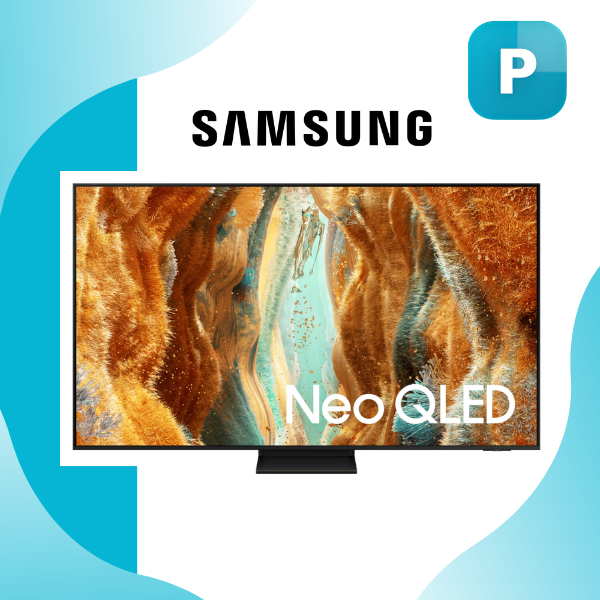
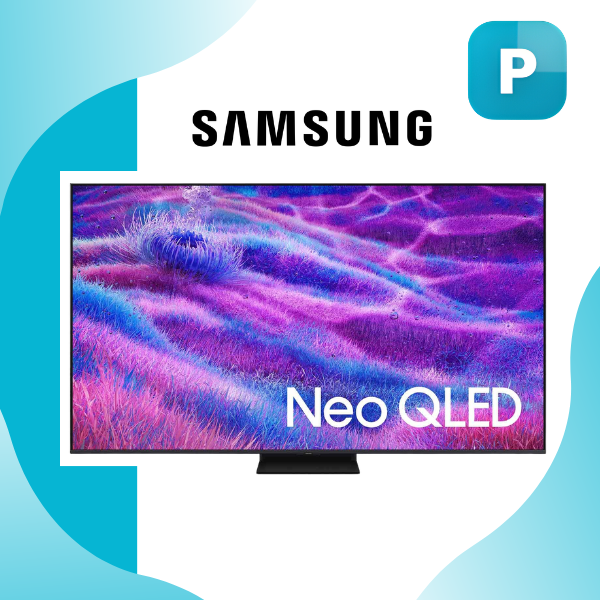
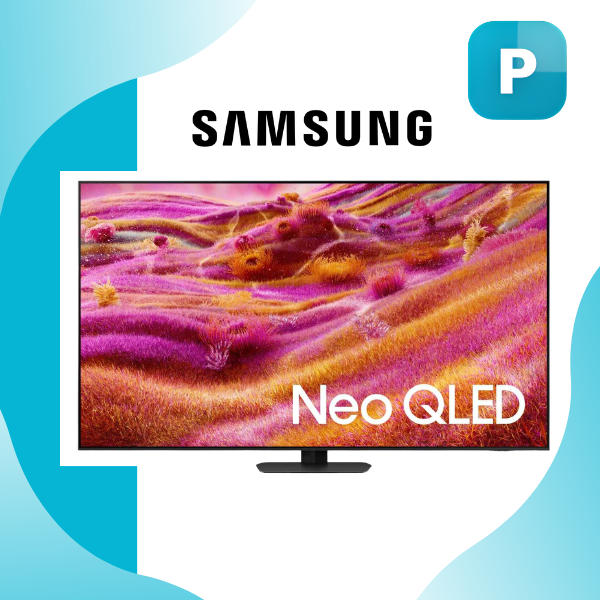
The Samsung QN90F relies on Quantum Mini LED backlighting with Quantum Matrix Technology Pro to deliver powerful brightness and precise local dimming. Its available sizes span an impressive range from 43 inches all the way to a colossal 115 inches, giving buyers unmatched flexibility for large living rooms or dedicated home theaters. The 120 Hz native panel can ramp up to 165 Hz thanks to Motion Xcelerator technology, while the NQ4 AI Gen3 Processor (or NQ8 AI Gen3 on the 115-inch variant) drives 4K AI Upscaling Pro and Neo Quantum HDR+ support. Glare Free coating keeps reflections at bay, and features like Color Booster Pro plus AI Motion Enhancer Pro ensure sharp, vibrant images even under bright ambient light.

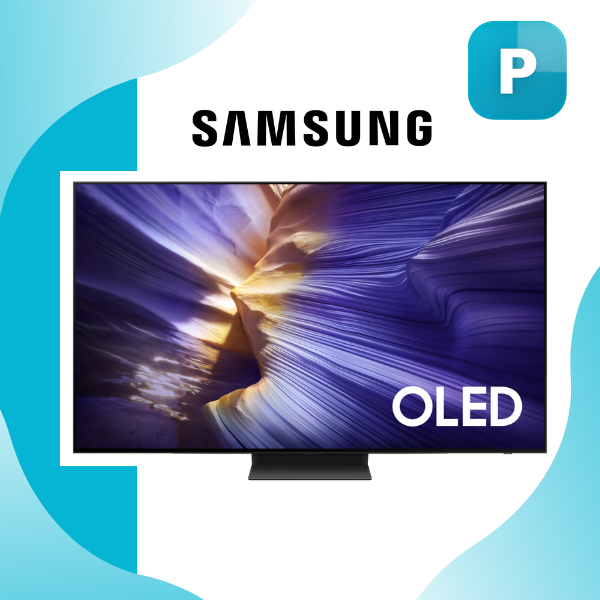
In contrast, the Samsung S90F brings true OLED magic through self-illuminating pixels that achieve perfect blacks and infinite contrast without any backlight bloom. Sizes top out at 83 inches, making it more compact yet still premium. It matches the 120 Hz base with Motion Xcelerator 144 Hz capability and uses the NQ4 AI Gen3 Processor for identical 4K AI Upscaling Pro. HDR10+ Adaptive, Real Depth Enhancer, and Ultra Viewing Angle technology create cinematic depth from almost any seat in the room. Filmmaker Mode and AI Motion Enhancer Pro further polish content for accuracy.

When picture quality is the priority, the QN90F wins in bright rooms and massive installations where peak luminance matters. The S90F, however, delivers unmatched depth and realism in controlled lighting, making dark-room movie marathons feel truly immersive. Both upscaling engines handle lower-resolution sources gracefully, but the Mini LED approach on the QN90F maintains higher overall brightness without sacrificing too much contrast.

Audio Performance and Sound Features

Sound can make or break an immersive experience, and here the two TVs diverge noticeably. The Samsung QN90F packs a generous 60W output across a 4.2.2-channel speaker layout. Dolby Atmos support combines with Object Tracking Sound+ to place audio precisely in the room, while Active Voice Amplifier Pro keeps dialogue crystal-clear even during loud action scenes. Q-Symphony compatibility lets users pair the TV with compatible soundbars for even richer performance.

The Samsung S90F offers 40W through a simpler 2.1-channel setup. It still includes Dolby Atmos and Object Tracking Sound Lite, plus Adaptive Sound Pro that automatically adjusts based on content type. While the S90F’s audio is clean and well-balanced, it lacks the power and channel count of its rival, making external audio upgrades more essential for larger spaces.

In everyday use, the QN90F feels more complete right out of the box. Voices stay intelligible and effects feel directional without extra equipment. The S90F performs admirably for its size class but benefits more from a soundbar partnership to match the visual drama its OLED panel provides. Both models support Bluetooth 5.3 and optical output, ensuring easy integration with modern audio systems.

Gaming Capabilities and Smart Features

Gamers will appreciate how closely matched these TVs are in modern features. The Samsung QN90F supports FreeSync Premium Pro, VRR, AI Auto Game Mode, and a full Gaming Hub with Game Bar. Its 165 Hz peak refresh rate gives competitive players a noticeable edge in fast-paced titles, while four HDMI ports and low input lag keep everything responsive. The built-in SmartThings Hub and Tizen platform allow seamless control of lights, speakers, and other smart devices directly from the TV.

The Samsung S90F matches most gaming essentials with the same FreeSync Premium Pro, VRR, AI Auto Game Mode, and Gaming Hub. Its panel reaches 144 Hz, and the four HDMI ports explicitly confirm 4K@144 Hz support. Three USB-A ports give it a slight connectivity advantage for peripherals. Both TVs run the same Tizen Smart TV operating system with Samsung TV Plus, Multi View, AirPlay, and Daily Board features. Voice control works through Bixby and Alexa on the QN90F, while the S90F adds Google Assistant compatibility for broader smart-home ecosystems.

Continuing our Samsung QN90F vs Samsung S90F In Depth Comparison, the QN90F edges ahead for serious esports enthusiasts who crave the highest refresh rate and brighter highlights during daytime play. The S90F remains an excellent choice for console gamers who value deep blacks and wide viewing angles during co-op sessions on the couch.

Design and Build Quality

Design language separates the two models in subtle but important ways. The Samsung QN90F adopts NeoSlim styling with a 4-bezel-less frame finished in Titan Black. Its Sharp Neck Hexagon stand offers a modern, stable footprint that looks premium on any media console. Weights range from 53.4 lb without stand up to 60.6 lb with it, and the VESA mount pattern is 400 × 300 mm across most sizes. Power consumption stays efficient at around 140W typical, dropping to just 0.5W in standby.

The Samsung S90F features LaserSlim construction, also with a 4-bezel-less design but in Graphite Black. Its Simple Plus Blade stand is lower and more minimalist, ideal for floating-wall mounts. Without the stand it measures just 1.8 inches thick, and the full assembly weighs 80.7 lb on the 65-inch model. Typical power draw sits higher at 182W, reflecting the OLED panel’s different energy profile.

Both include SolarCell remotes and easy setup accessories. The QN90F’s larger size options and lower power use make it more future-proof for big rooms, while the S90F’s ultra-thin profile appeals to buyers seeking a sleek, wall-hugging look.

Comparison Reviews

Real-world feedback from early adopters and expert roundups consistently highlights the same strengths. Many reviewers praise the QN90F for its versatility, noting how the Mini LED brightness handles sunlit living rooms better than most OLEDs while still delivering strong contrast. Sound quality receives frequent compliments, with users saying the built-in speakers reduce the need for immediate soundbar purchases. Larger size availability also earns points for home-theater enthusiasts who want 85-inch or bigger screens without compromising refresh rate.

On the S90F side, cinephiles in comparison reviews repeatedly call out the perfect blacks and viewing-angle performance as game-changers for dedicated movie rooms. The LaserSlim design and extra USB ports earn practical praise for tidy installations. However, several reviewers mention that the 40W audio feels underpowered compared with the visuals, pushing buyers toward external audio sooner. Gaming performance draws equal admiration on both, though the QN90F’s higher refresh ceiling wins over competitive players in side-by-side tests.

Across dozens of comparison reviews, the consensus is clear: neither TV is universally “better.” Buyers who prioritize brightness, sound, and huge screens lean toward the QN90F. Those who chase cinematic contrast and a thinner profile favor the S90F.
Final Verdict

Ultimately in the Samsung QN90F vs Samsung S90F In Depth Comparison, the winner depends entirely on your room and priorities. Choose the Samsung QN90F if you need maximum brightness, superior built-in audio, higher refresh rates for gaming, and the flexibility of truly massive screen sizes. Its Mini LED technology and efficient power use make it the more versatile all-rounder for mixed lighting conditions and family entertainment.

Opt for the Samsung S90F when perfect blacks, infinite contrast, and ultra-wide viewing angles top your list. The OLED panel delivers that unmistakable cinematic punch in darker spaces, and its slim LaserSlim design looks stunning on the wall. Both models share the same reliable Tizen platform and future-ready gaming features, so you cannot go wrong with either premium choice. Evaluate your lighting, room size, and primary content type, then pick the model that aligns best—your eyes and ears will thank you for years to come.

Community Choice

Which one would you choose?

0%
0%

User Feedback

Leave a comment

Recent Feedback (0)

No feedback yet

Be the first to share your thoughts!

Frequently Asked Questions

Q: Samsung QN90F vs S90F, which TV has better picture quality in a bright room?

A: The Samsung QN90F has better picture quality in bright rooms due to its Quantum Mini LED backlighting and higher peak brightness, which effectively combats glare and maintains vivid colors, whereas the S90F's OLED panel is optimized for darker, controlled lighting environments.

Q: Which TV offers larger screen sizes, the QN90F or the S90F?

A: The Samsung QN90F offers significantly larger screen sizes, ranging from 43 inches all the way up to a massive 115 inches, making it the clear choice for buyers seeking a truly colossal home theater setup compared to the S90F which tops out at 83 inches.

Q: Which model is better for competitive gaming with high refresh rates?

A: The Samsung QN90F holds a slight edge for competitive gaming with its 165 Hz peak refresh rate, giving players a smoother advantage in fast-paced titles, while the S90F still performs excellently for most gamers with its 144 Hz capability.

Q: Does the Samsung S90F have better blacks than the QN90F?

A: Yes, the Samsung S90F delivers superior perfect blacks and infinite contrast thanks to its self-illuminating OLED pixels, which eliminate backlight bloom entirely, unlike the QN90F which uses Mini LED backlighting that can sometimes show slight haloing around bright objects.

Q: Which Samsung TV has better built-in speakers without a soundbar?

A: The Samsung QN90F has significantly better built-in speakers with a 60W 4.2.2-channel system and Object Tracking Sound+, providing richer, more directional audio that often eliminates the need for an immediate soundbar purchase, compared to the S90F's 40W 2.1-channel setup.

Q: What is the main display technology difference between these two TVs?

A: The main difference is that the QN90F uses Quantum Mini LED (a backlit technology with local dimming) for high brightness, while the S90F uses self-emissive OLED pixels that turn off completely to achieve perfect black levels and infinite contrast.

Q: Which TV has a slimmer design for wall mounting?

A: The Samsung S90F features a LaserSlim design that measures just 1.8 inches thick, making it the better choice for a sleek, ultra-thin wall-hugging installation compared to the QN90F's NeoSlim but slightly thicker profile.

Q: Do both the QN90F and S90F support Dolby Atmos and gaming features?

A: Yes, both TVs support Dolby Atmos audio and include premium gaming features like FreeSync Premium Pro, VRR, a dedicated Gaming Hub, and four HDMI ports, ensuring an excellent experience for console and PC gamers alike.

Q: Which TV is better for watching movies in a dark home theater room?

A: The Samsung S90F is better for dark home theater rooms because its OLED technology delivers unmatched cinematic depth, true blacks, and wide viewing angles, creating a more immersive experience for movie marathons than the QN90F.

Q: What are the voice assistant differences between the QN90F and S90F?

A: While both support Bixby and Alexa, the Samsung S90F adds broader compatibility by including Google Assistant, giving it a slight advantage for users deeply integrated into the Google smart-home ecosystem.