TV & Smart TV

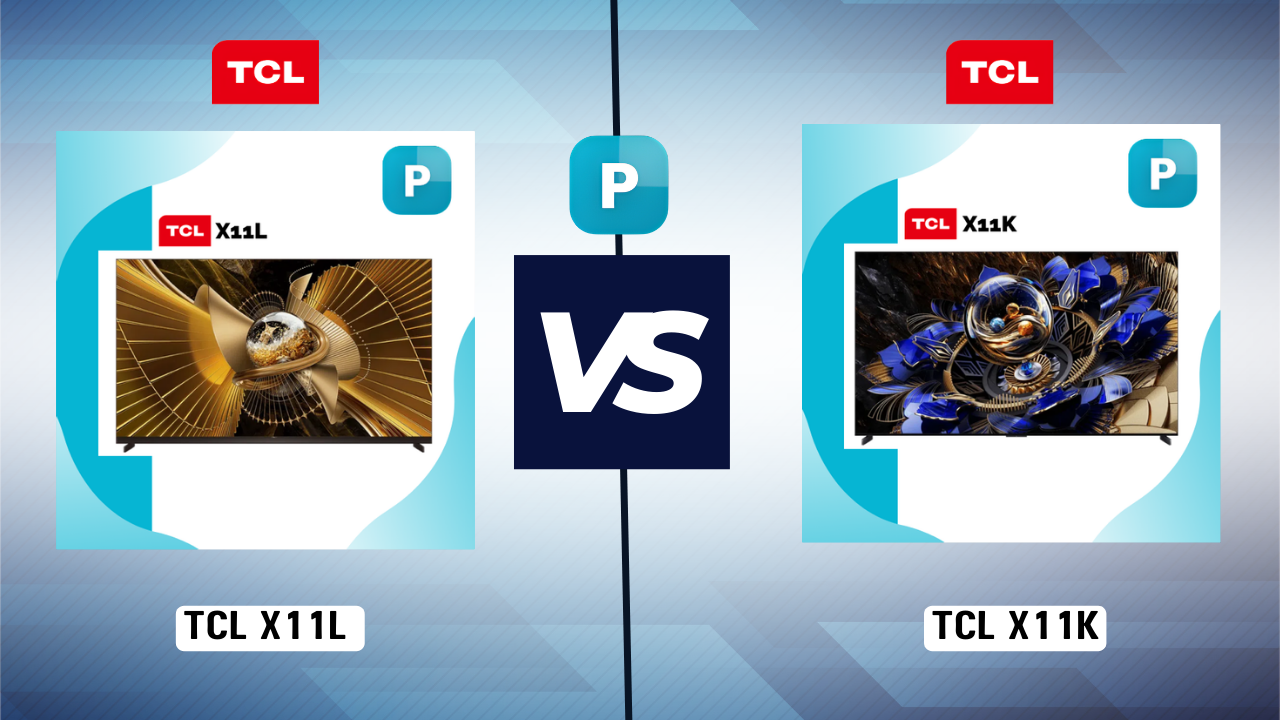
TCL X11L vs TCL X11K In Depth Comparison

45 views March 12, 2026 Last updated: Mar 15, 2026 8 min read
Login to Save

Detailed Comparison

SpecificationTCL X11LTCL X11K
Release Year20262025
Display TechnologySQD-Mini LEDQD-Mini LED
Panel TypeWHVA 2.0 Ultra PanelCrystGlow HVA Panel
Resolution4K Ultra HD4K Ultra HD
Peak BrightnessUp to 10,000 nitsUp to 6,500 nits
Local Dimming Zones20,736 zonesNot specified
Contrast RatioEnhanced contrast with Mini LED precisionNative 7,000:1
Color Gamut100% BT.202097% DCI-P3
HDR SupportDolby Vision, Dolby Vision IQ, HDR10+, IMAX EnhancedDolby Vision IQ, HDR10+, IMAX Enhanced
Native Refresh Rate144Hz144Hz
Variable Refresh Rate (VRR)48Hz – 288Hz with DLGUp to 144Hz
Gaming FeaturesGame Master Mode, 288Hz Game AcceleratorGame Master Mode
FreeSync SupportAMD FreeSync Premium ProAMD FreeSync Premium Pro
ProcessorTSR AiPQ ProcessorAiPQ Pro Processor
HDMI Ports4 × HDMI 2.14 × HDMI 2.1
Operating SystemGoogle TVGoogle TV
Voice AssistantGoogle Assistant Built-inGoogle Assistant Built-in
Audio SystemBang & Olufsen with Dolby AtmosBang & Olufsen with Dolby Atmos
Additional Audio TechnologyAI Sound TuningDTS Virtual:X
ConnectivityWi-Fi 6, Bluetooth 5.4Wi-Fi 6, Bluetooth 5.4
Smart FeaturesAI Cinema, AI Art, Ambient Mode, Art GalleryVideo Chat Support, HDMI CEC, Halo Control
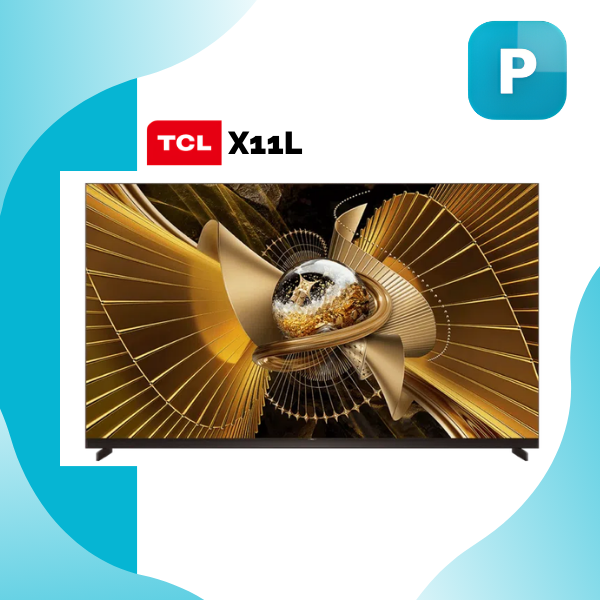
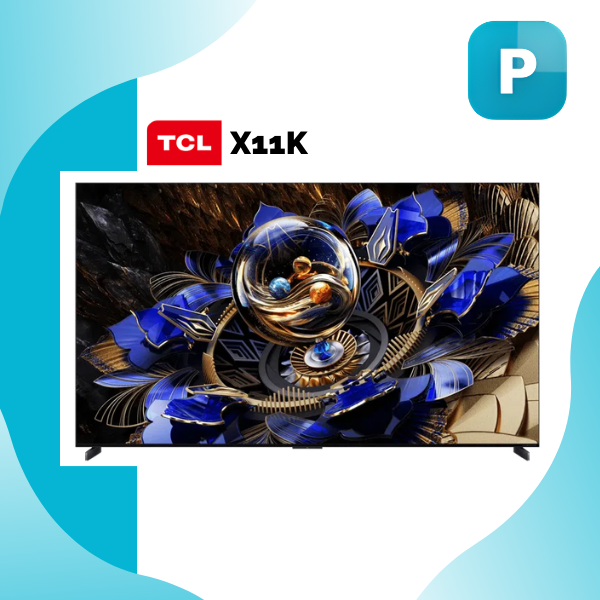
DesignUltra-slim flat design (~2 cm)Slim premium design
Available Screen Sizes75", 85", 98"85", 98"

Full Technical Specifications

Feature TCL X11L SQD-Mini LED TV reviews Specifications TCL X11K Premium QD-MiniLED TV reviews Specifications
AMD FreeSync AMD FreeSync Premium Pro -
Additional Features TCL AI, AI Cinema, AI Gaming, AI Art, Ambient Mode, Art Gallery, Gamebar -
Aspect Ratio 16:9 16:9
Audio System Audio by Bang & Olufsen Audio by Bang & Olufsen
Available Screen Sizes 98 inch, 85 inch, 75 inch -
Available Sizes - 85 inch, 98 inch
Bluetooth Bluetooth 5.4 Bluetooth 5.4
Brand - TCL
Category - TV
Color Gamut Up to 100% BT.2020 97% DCI-P3
Contrast Ratio - 7000:1 Native Contrast
Design Flat-thin design (about 2 cm at thinnest point) Flat-thin Design
Dolby Atmos Yes -
Gaming Features Game Master Mode, 288Hz VRR Game Accelerator Game Master, AMD FreeSync Premium Pro, ALLM, VRR (4K@144Hz)
HDMI CEC - Yes
HDMI Ports 4 × HDMI 2.1 4 × HDMI 2.1
HDMI eARC / ARC - Yes
HDR Formats Dolby Vision IQ, Dolby Vision, HDR10+, HDR10, HLG -
HDR Support - Dolby Vision IQ, HDR10+, HDR10+ Adaptive, HLG
Hands-free Voice Control Yes -
IMAX Enhanced Yes Yes
Local Dimming Zones Up to 20,736 Precise Dimming Zones -
Model 98X11L -
Operating System Google TV Google TV
Panel Resolution 3840 × 2160 -
Panel Type WHVA 2.0 Ultra Panel HVA Panel
Peak Brightness Up to 10,000 nits 6500 nits
Processor TSR AiPQ Processor -
Refresh Rate 144Hz Native (VRR 48–288Hz / DLG 288Hz) 144Hz VRR
Resolution 4K UHD 4K UHD (3840 × 2160)
Screen Type - LCD
Series X11L X11K
Sound Technology DTS Virtual:X -
Special Technologies - TCL All-domain Halo Control, AiPQ Pro Processor, CrystGlow HVA Panel
Technology - QD-Mini LED (QLED with Mini LED)
Technology Type SQD-Mini LED -
Video Chat - Supported (Compatible Camera Required)
Voice Assistant Google Assistant Built-in Google Assistant Built-in, Hands-Free Voice Control
Wi-Fi Wi-Fi 6 Wi-Fi 6
Wireless Display Miracast Miracast
Year 2026 2025
eARC / ARC Yes -

Comparison Overview

TCL X11L vs TCL X11K In Depth Comparison

When conducting a TCL X11L vs TCL X11K In Depth Comparison, two flagship Mini LED TVs from TCL stand out as serious contenders for home entertainment supremacy. The X11L arrives as the 2026 model with groundbreaking upgrades, while the X11K from 2025 already set high standards in the premium segment. Both deliver stunning 4K visuals on Google TV platforms, premium Bang & Olufsen audio, and full gaming support, yet differences in brightness, panel precision, and future-ready features make the choice meaningful. Whether you prioritize razor-sharp HDR in bright rooms or smooth high-frame-rate gaming, this detailed breakdown reveals which TV truly delivers more value for your setup.

Picture Quality Comparison

Picture quality forms the heart of any premium TV battle, and here the newer X11L pulls ahead decisively thanks to its advanced SQD-Mini LED technology paired with the WHVA 2.0 Ultra Panel. It reaches an astonishing peak brightness of up to 10,000 nits, allowing highlights in HDR content to shine with lifelike intensity while maintaining deep, inky blacks. The standout feature is its massive 20,736 precise local dimming zones, which control backlight independently across the screen to eliminate halo effects around bright objects. This results in exceptional contrast that makes dark scenes in movies feel cinematic and immersive, even in well-lit living rooms.

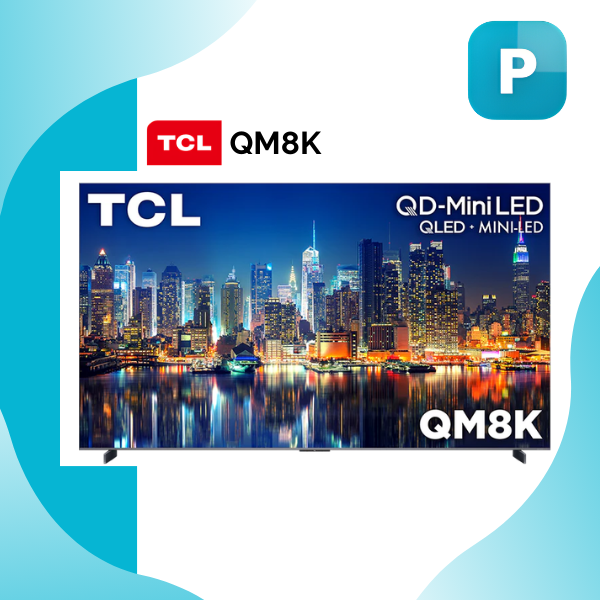
The X11K, equipped with QD-Mini LED and a CrystGlow HVA Panel, offers solid performance at 6,500 nits peak brightness and a native contrast ratio of 7,000:1. Its color coverage hits 97 percent of the DCI-P3 spectrum, delivering vibrant hues for most streaming and gaming content. However, without the same zone count or ultra-high brightness, subtle blooming can appear in challenging scenes compared to the X11L. Both models support Dolby Vision IQ, HDR10+, and IMAX Enhanced for theater-like experiences, but the X11L adds full Dolby Vision compatibility and pushes color gamut to 100 percent BT.2020 for wider, more accurate shades that pop in nature documentaries or animated films.

Motion handling also favors the X11L with its 144Hz native refresh rate expandable via VRR from 48 to 288Hz using DLG technology. This creates buttery-smooth visuals for fast action, reducing blur in sports broadcasts or action movies. The X11K caps at 144Hz VRR, which feels responsive but lacks that extra fluidity for demanding content. In real-world viewing, the X11L’s panel upgrades translate to noticeably sharper details and better ambient light rejection, making it ideal for users who want reference-level picture performance without extra calibration.

Gaming Performance Comparison

Gaming enthusiasts will find plenty to love in both TVs, but the X11L elevates the experience with next-level specifications designed for high-end setups. Its Game Master Mode, combined with a dedicated 288Hz VRR Game Accelerator, ensures tear-free gameplay across consoles and PCs. Full support for AMD FreeSync Premium Pro, along with four HDMI 2.1 ports, delivers 4K at ultra-high refresh rates while keeping input lag minimal. The TSR AiPQ Processor intelligently enhances gaming scenes in real time through AI Gaming features, automatically optimizing contrast and color for titles like fast-paced shooters or open-world adventures.

The X11K holds its own with Game Master support, ALLM for automatic low-latency switching, and the same AMD FreeSync Premium Pro certification. It handles 4K at 144Hz VRR smoothly, making it a strong choice for current-generation consoles like PlayStation 5 or Xbox Series X. The AiPQ Pro Processor performs reliably here too, but it does not reach the X11L’s extended VRR range or DLG-assisted smoothness. Both models include a convenient Gamebar for quick adjustments to settings like crosshairs or latency stats during play.

In practice, the X11L feels more future-proof for PC gamers chasing 240Hz or higher displays, while the X11K remains excellent for casual and console-focused users. Connectivity stays identical with Wi-Fi 6 and Bluetooth 5.4, so wireless controllers and streaming devices pair effortlessly. Overall, if competitive gaming or high-refresh-rate titles matter most, the X11L’s upgrades provide a tangible edge that keeps gameplay responsive and visually stunning.

Audio and Smart Features Comparison

Audio and smart capabilities round out the user experience on both models, with strong similarities yet meaningful distinctions. Each TV features an Audio by Bang & Olufsen system tuned for rich, detailed sound, complete with Dolby Atmos support and DTS Virtual:X processing. This creates an expansive, three-dimensional audio stage that immerses viewers in movies, concerts, or games without immediately needing an external soundbar. Dialogue stays clear and bass feels impactful, though the X11L’s additional AI sound tuning subtly refines output based on room acoustics for even better balance.

Smart features center on the shared Google TV platform, offering hands-free voice control through built-in Google Assistant and access to thousands of apps and streaming services. Both include Miracast for easy screen mirroring and identical port setups with eARC for seamless audio system integration. The X11K adds handy video chat support when paired with a compatible camera and HDMI CEC for unified device control, along with its All-domain Halo Control technology that fine-tunes backlight zones.

The X11L shines brighter here with an expanded TCL AI ecosystem, including AI Cinema for content optimization, AI Art for personalized displays, Ambient Mode that blends the TV into your décor, and a full Art Gallery. Its flat-thin design measures just about two centimeters at the thinnest point, giving it a more premium, wall-mount-friendly profile. Screen size flexibility also favors the X11L, available in 75-inch, 85-inch, and 98-inch variants, while the X11K limits options to 85-inch and 98-inch. These extras make daily use more enjoyable and versatile, especially for households seeking a complete entertainment hub.

Comparison Reviews

This TCL X11L vs TCL X11K In Depth Comparison draws from early expert tests and user experiences that consistently highlight the generational leap. Reviewers often call the X11K a standout 2025 performer for delivering premium Mini LED quality at competitive pricing, praising its vibrant colors, reliable gaming response, and straightforward Google TV interface. Many note it excels in everyday viewing and console sessions, with few complaints beyond occasional light bloom in extremely dark rooms. Early buyers appreciate its value when found on promotion, describing it as a reliable upgrade from older 4K TVs.

Feedback shifts favorably toward the X11L in side-by-side evaluations, where its 10,000-nit brightness and record-setting dimming zones earn repeated praise for transforming HDR movies and bright-room performance. Gamers highlight the 288Hz capabilities as a game-changer for competitive play, while design enthusiasts love the slimmer profile and extra AI tools that personalize the viewing space. Some users mention the learning curve for advanced settings, yet most agree the improvements justify the step up. Professional roundups position the X11L as the new benchmark for flagship Mini LED TVs, noting it outperforms the X11K in nearly every technical metric without sacrificing ease of use. Common themes across reviews emphasize that both TVs deliver outstanding Bang & Olufsen sound and smart features, but the X11L’s refinements make it feel like a true evolution rather than a minor refresh.
Final Verdict

In conclusion from this TCL X11L vs TCL X11K In Depth Comparison, the TCL X11L stands out as the superior choice for most buyers seeking cutting-edge performance in 2026 and beyond. Its massive brightness jump, thousands of dimming zones, extended gaming refresh rates, wider color support, and richer AI features create a more immersive and future-proof experience across movies, sports, and games. The added 75-inch size option and ultra-slim design further enhance its appeal for larger living spaces or modern interiors. If you want the absolute best picture precision and longevity from a TCL flagship, the X11L delivers without compromise.

That said, the X11K remains an excellent TV in its own right, particularly if budget considerations or current availability play a bigger role. It still outperforms many competitors in its class with strong brightness, smooth gaming, and premium audio, making it a smart pick for anyone who can snag it at a discount. Ultimately, choose the X11L for unmatched technical excellence and versatility, or stick with the X11K if value and proven reliability matter more in your current setup. Either way, TCL continues to raise the bar for accessible high-end home entertainment.

Community Choice

Which one would you choose?

0%
0%

User Feedback

Leave a comment

Recent Feedback (0)

No feedback yet

Be the first to share your thoughts!

Frequently Asked Questions

Which TCL TV has better picture quality, the X11L or X11K?

The TCL X11L has significantly better picture quality. It features a new SQD-Mini LED panel with a WHVA 2.0 Ultra Panel, achieving a staggering 10,000 nits peak brightness and 20,736 local dimming zones. This eliminates halo effects and delivers superior contrast compared to the X11K's 6,500 nits and lower zone count.

How much brighter is the TCL X11L compared to the X11K?

The TCL X11L is substantially brighter, with a peak brightness of up to 10,000 nits, while the X11K reaches a maximum of 6,500 nits. This makes the X11L far better at handling bright rooms and delivering incredibly lifelike HDR highlights.

Which TV is better for high-end gaming?

The TCL X11L is better for high-end gaming, especially for PC gamers. It features a native 144Hz refresh rate that can be expanded up to 288Hz VRR using DLG technology, offering smoother motion than the X11K's 144Hz maximum. Both have Game Master Mode, AMD FreeSync Premium Pro, and four HDMI 2.1 ports.

What are the main differences in screen size options?

The TCL X11L is available in 75-inch, 85-inch, and 98-inch sizes. The TCL X11K is only available in 85-inch and 98-inch models. The X11L's additional 75-inch option makes it a better fit for a wider range of room sizes.

Do both TVs have good built-in sound?

Yes, both the X11L and X11K feature a premium Audio by Bang & Olufsen system. They both support Dolby Atmos and DTS Virtual:X for immersive, three-dimensional sound. The X11L has a slight edge with additional AI sound tuning that refines audio based on your room's acoustics.

Which TV is more future-proof?

The TCL X11L is the more future-proof choice. Its combination of a 2026 release date, dramatically higher peak brightness (10,000 nits), massive dimming zone count (20,736), support for higher 288Hz refresh rates, and expanded AI features ensures it will remain a performance leader for years to come.

What are the key smart features on each TV?

Both run on the Google TV platform with hands-free Google Assistant. The X11L expands on this with a broader TCL AI ecosystem, including features like AI Cinema for content optimization, AI Art for personalized displays, and an Art Gallery mode. The X11K includes features like video chat support and All-domain Halo Control.

Is the TCL X11K still a good TV in 2026?

Yes, the TCL X11K remains an excellent TV. It was a flagship model in 2025 and still delivers outstanding performance with its 6,500-nit brightness, QD-Mini LED panel, and premium audio. It's a fantastic choice, particularly if you can find it at a discounted price.

Which TV has a better design for wall-mounting?

The TCL X11L has a more premium, wall-mount-friendly design. It features a flat-thin profile measuring just about two centimeters at its thinnest point, allowing it to sit flatter against the wall compared to the X11K.

Which TCL flagship TV should I buy?

For most people seeking the absolute best performance, the TCL X11L is the superior choice. Its groundbreaking brightness, precise dimming, and higher refresh rates make it the new benchmark. However, if budget is a primary concern and you can find a good deal, the TCL X11K remains a highly capable and reliable premium TV.