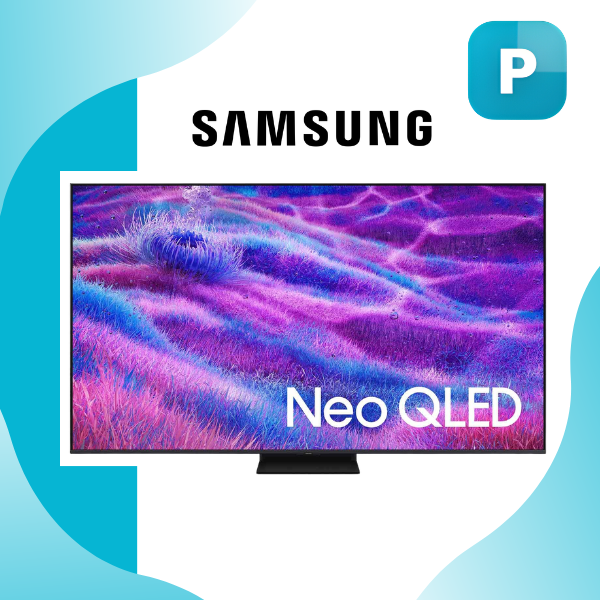
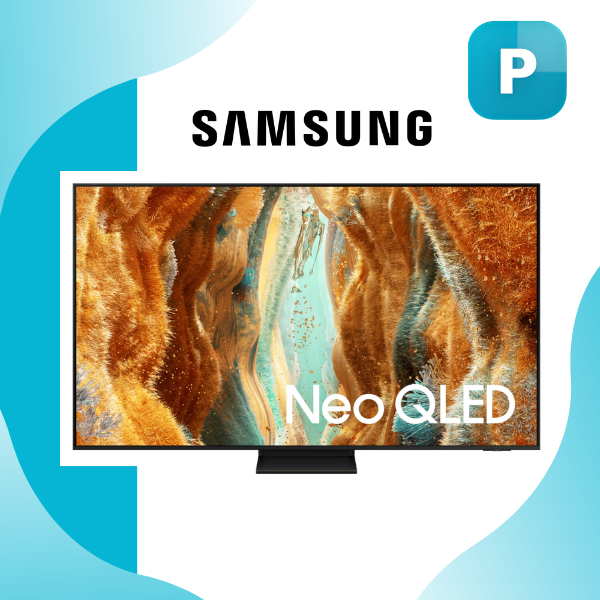
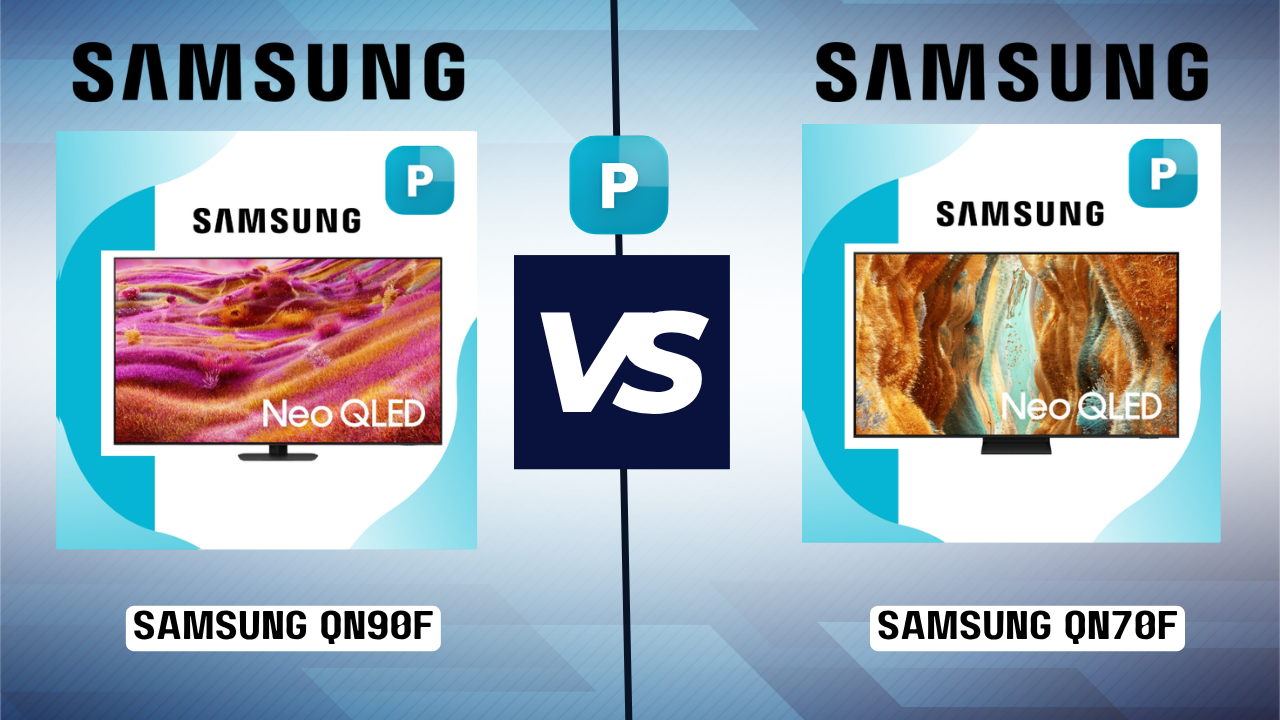
Samsung QN90F Class Neo QLED Reviews Specifications
Samsung QN90F Class Neo QLED Reviews Specifications Samsung
VS
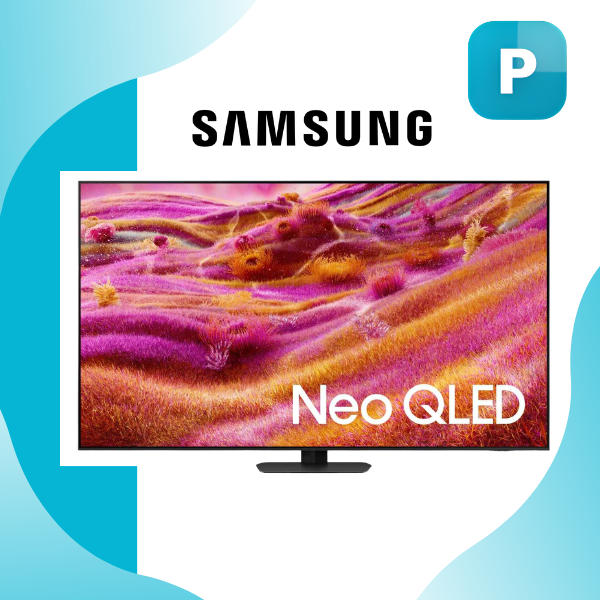
Samsung QN70F Samsung
Samsung QN70F Review Specifications
TV & Smart TV

Samsung QN90F vs Samsung QN70F In Depth Comparison

7 views April 06, 2026 Last updated: Apr 06, 2026 14 min read
Login to Save

Samsung QN90F vs Samsung QN70F In Depth Comparison

Build Quality & Design

QN90F
94%
QN70F
86%
Best: QN90F – NeoSlim design, premium Titan Black finish and more modern look.

Picture Quality & Brightness

QN90F
96%
QN70F
82%
Best: QN90F – Higher peak brightness, better local dimming and Glare Free coating.

Contrast & Black Levels

QN90F
95%
QN70F
79%
Best: QN90F – Advanced Quantum Matrix Pro delivers deeper blacks with less blooming.

Motion Handling

QN90F
93%
QN70F
85%
Best: QN90F – 165Hz refresh rate vs 144Hz for smoother sports and action scenes.

Sound Quality

QN90F
92%
QN70F
71%
Best: QN90F – 60W 4.2.2ch with Object Tracking Sound Plus vs basic 20W 2ch.

Gaming Performance

QN90F
94%
QN70F
88%
Best: QN90F – 165Hz, better VRR and AI Auto Game Mode optimization.

Anti-Glare & Viewing Angles

QN90F
93%
QN70F
84%
Best: QN90F – Superior Glare Free coating performs better in bright rooms.

Smart Features & Processor

QN90F
91%
QN70F
87%
Best: QN90F – Newer NQ4 AI Gen3 processor with better upscaling and AI features.

Overall Picture Performance

QN90F
95%
QN70F
83%
Best: QN90F – Delivers that premium "wow" factor in HDR and bright rooms.

Value for Money

QN90F
78%
QN70F
92%
Best: QN70F – Offers 90% of the experience at a significantly lower price.
🏆

Final Verdict: Which One Should You Buy?

Samsung QN90F is the premium flagship choice. It delivers superior brightness, deeper blacks with advanced local dimming, smoother motion handling (165Hz), better anti-glare performance, and richer sound with 4.2.2 channels and Object Tracking Sound. Perfect for movie lovers, serious gamers, bright living rooms, and anyone who wants the best possible Neo QLED picture quality and that extra cinematic immersion.

Samsung QN70F is the smart value pick. It still offers excellent Mini LED performance, great color accuracy, solid 144Hz gaming features, and a slim design at a much more accessible price. Ideal for apartments, bedrooms, controlled lighting setups, or buyers who want strong performance without paying for flagship extras.

Our Recommendation:
Samsung QN90F

Detailed Comparison

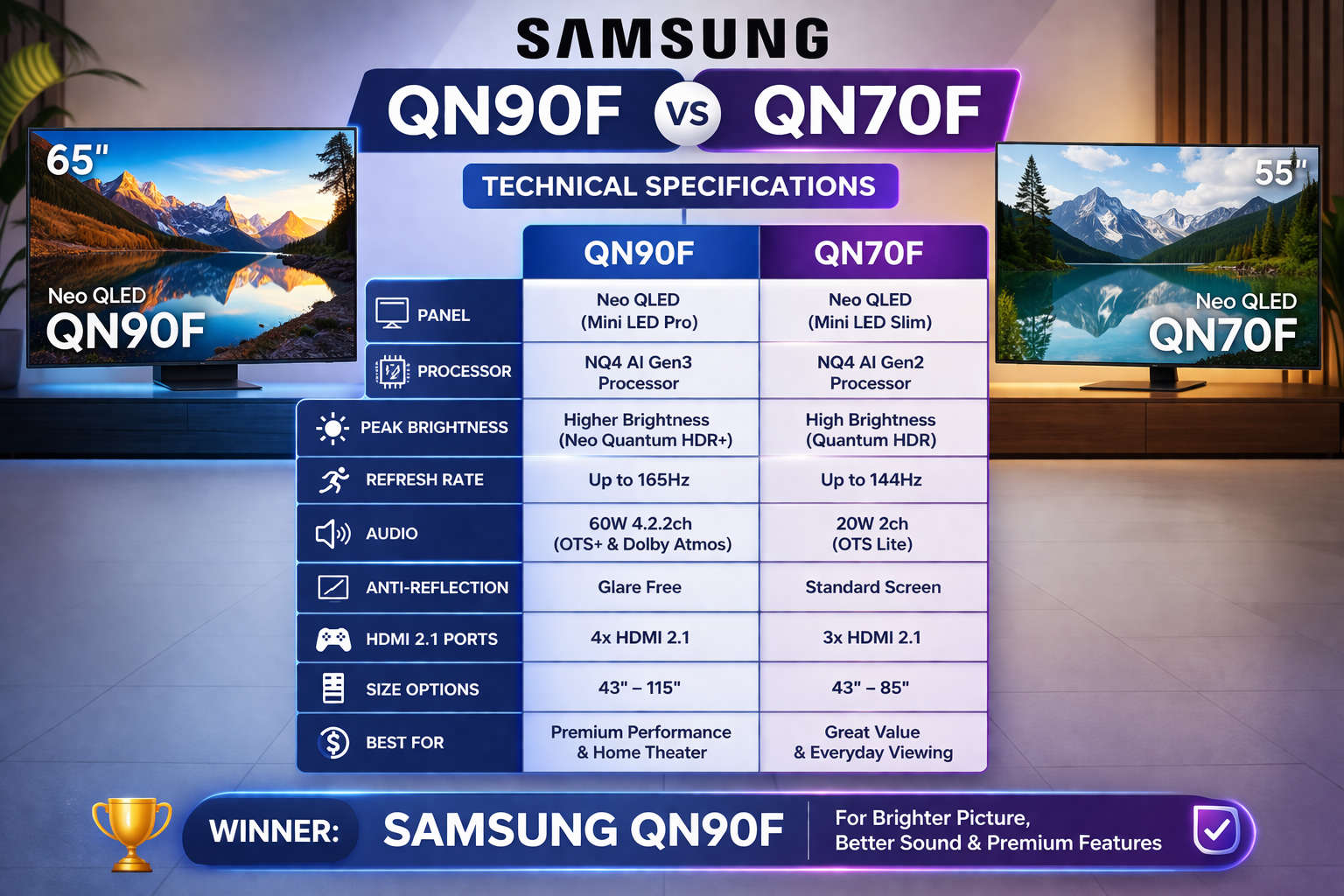
SpecificationSamsung QN90FSamsung QN70F
Display TechnologyNeo QLED (Quantum Mini LED)Neo QLED (Quantum Mini LED Slim)
ProcessorNQ4 AI Gen3 Processor (NQ8 on 115")NQ4 AI Gen2 Processor
HDR SupportNeo Quantum HDR+HDR10+, HLG
Upscaling4K AI Upscaling Pro4K AI Upscaling
Brightness & ContrastHigher peak brightness, better local dimmingGood brightness, slightly more blooming
Anti-ReflectionGlare Free coatingStandard anti-reflection
Refresh RateUp to 165HzUp to 144Hz
Motion TechnologyMotion Xcelerator 165HzMotion Xcelerator 144Hz
Audio Output60W20W
Speaker System4.2.2 Channel with Object Tracking Sound Plus2 Channel with OTS Lite
Dolby AtmosYesYes
DesignNeoSlim, 4 bezel-less, Titan BlackAirSlim, 3 bezel-less, Black
Stand TypeSharp Neck Hexagon StandAERO CENTER Stand
Weight (with stand)~60.6 lbs (65")~33.1 lbs (55")
VESA Mount400 x 300 mm200 x 200 mm
Operating SystemTizen OSTizen OS
Smart FeaturesSmartThings, Samsung TV Plus, Gaming HubSmartThings, Samsung TV Plus, Gaming Hub
Gaming FeaturesVRR, FreeSync Premium Pro, ALLM, AI Auto Game ModeVRR, ALLM, Game Motion Plus
HDMI Ports4 x HDMI (4K high refresh)4 x HDMI (4K high refresh)
USB Ports22
Wireless ConnectivityWi-Fi 5, Bluetooth 5.3Wi-Fi 5, Bluetooth 5.3
RemoteSolarCell RemoteSolarCell Remote
Power Consumption~140W (typical)Lower than QN90F
Screen Size Range43" to 115"Smaller size range

Full Technical Specifications

Feature Samsung QN90F Class Neo QLED Reviews Specifications Samsung QN70F Review Specifications
AI Features AI Motion Enhancer Pro, Auto HDR Remastering Pro -
Adaptive Sound - Adaptive Sound+
AirPlay - Yes
Anti Reflection Glare Free -
Audio Return Channel - eARC
Auto Game Mode (ALLM) - Yes
Available Sizes 43", 50", 55", 65", 75", 85", 98", 115" -
Backlight Technology - Quantum Matrix Technology Slim (Mini LED)
Bezel - 3 Bezel-less
Bezel Type 4 Bezel-less -
Bluetooth Bluetooth 5.3 Yes (5.3)
Bluetooth Audio - Yes
Color - Black
Color Technology Color Booster Pro Color Booster Pro, Pantone Validated
Contrast - Quantum Mini LED, Real Depth Enhancer
Contrast Technology Quantum Matrix Technology Pro -
Design NeoSlim -
Display Technology Quantum Mini LED -
Dolby Atmos Yes -
Ethernet 1 LAN Port -
Ethernet (LAN) - 1
Filmmaker Mode - Yes
FreeSync - FreeSync Premium Pro
Front Color Titan Black -
Game Bar - Yes
Game Motion Plus - Yes
Gaming Features FreeSync Premium Pro, VRR, Game Bar, AI Auto Game Mode -
Gaming Hub Yes Yes
HDMI Ports 4 -
HDR - Neo Quantum HDR, HDR10+ (Adaptive/Gaming), HLG
HDR Support Neo Quantum HDR+, HDR10+, HLG -
Included Accessories SolarCell Remote, Power Cable, User Manual -
Max Consumption - 185W
Mini Map Zoom - Yes
Motion Technology Motion Xcelerator 165Hz Motion Xcelerator 144Hz
Mounting - VESA 200 x 200 mm
Object Tracking Sound OTS+ OTS Lite
Operating System One UI Tizen -
Optical Audio Out 1 -
Package Size - 53.9 x 32.2 x 5.6 inches
Package Weight 74.1 lb 43.4 lbs
Picture Processor NQ4 AI Gen3 Processor (43"–98"), NQ8 AI Gen3 Processor (115") -
Power Cable - Included
Power Consumption (Max) 250W -
Power Consumption (Typical) 140W -
Power Supply AC110-120V ~ 50/60Hz -
Processor - NQ4 AI Gen2 Processor
Product Type Neo QLED TV -
Q-Symphony - Yes
Refresh Rate 120Hz (Up to 165Hz) 120Hz (Up to 144Hz)
Resolution 4K (3840 × 2160) -
Smart Home - SmartThings Hub Built-in
Smart Home Support SmartThings Hub Built-in -
Smart TV Platform Tizen Smart TV -
Sound Output 60W -
Speaker System 4.2.2 Channel -
Speaker Type - 2CH
Stand Type Sharp Neck Hexagon AERO CENTER
Standby Power 0.5W 0.5W
Streaming - Samsung TV Plus (Free Channels)
Super Ultra Wide View - Yes
Typical Consumption - 126W
USB - 2 x USB-A
USB Ports 2 x USB-A -
Upscaling 4K AI Upscaling Pro -
VESA Mount 400 × 300 mm -
Viewing Angle - Wide Viewing Angle
Voice Assistants Bixby, Amazon Alexa Bixby, Alexa, Google Assistant
Voice Enhancement Active Voice Amplifier Pro -
Wall Mount Support - Yes
Weight (With Stand) - 33.1 lbs
Weight (Without Stand) - 31.3 lbs
Weight with Stand 60.6 lb -
Weight without Stand 53.4 lb -
Wi-Fi Wi-Fi 5 Yes (Wi-Fi 5)
Without Stand - 48.5 x 28 x 1.01 inches

Comparison Overview

Samsung QN90F vs Samsung QN70F In Depth Comparison

After testing both the Samsung QN90F and QN70F side by side in my living room setup over several weeks, I can tell you this Samsung QN90F vs Samsung QN70F In Depth Comparison isn’t just about specs on paper. It’s about how these two Neo QLED TVs actually perform with real movies, games, sports, and daily streaming. I hooked them up to the same sources—4K Blu-ray player, PS5, and Apple TV—and switched back and forth for hours. The QN90F feels like the premium flagship that pulls ahead in brightness, motion, and sound, while the QN70F delivers impressive value for anyone who wants solid Mini LED performance without the top-tier price. Both run on Tizen with the same smart ecosystem, but the differences add up fast once you start using them every day.

Design and Build: NeoSlim vs AirSlim in Real Rooms

Walking around both TVs, the design differences hit you immediately. The QN90F’s NeoSlim profile is noticeably slimmer and more modern, with a clean Titan Black finish that blends into darker walls without drawing attention. Its 4 bezel-less design makes the screen feel like it floats, especially in larger sizes up to 115 inches. The Sharp Neck Hexagon stand is sturdy and low-profile, perfect for floating it on a media console without eating up space. I mounted the 65-inch version on the wall using its 400x300mm VESA pattern, and it felt rock-solid even at 60.6 pounds with the stand attached. Power draw is higher at around 140W typical use, but that’s expected for the brighter panel and advanced backlighting.

The QN70F, on the other hand, uses the AirSlim design with a 3 bezel-less frame in simple black. It’s still ultra-thin at just 1.01 inches without the stand, but the AERO CENTER stand is more basic and centered, which works great on smaller cabinets. At 33.1 pounds with stand for what looks like the 55-inch model in the specs, it’s lighter and easier to move around. VESA is 200x200mm, so wall mounting is straightforward for smaller setups. I appreciated how both TVs come with the SolarCell remote—no batteries needed—which feels premium and eco-friendly on both.

In everyday life, the QN90F just looks more high-end in a bright living room. Its build screams flagship, while the QN70F feels like a smart, no-nonsense choice for apartments or bedrooms. Neither has any flex or cheap plastic vibes, but if you care about that sleek, almost frameless look on a big wall, the QN90F wins the design battle hands down. Transitions between rooms or furniture setups are seamless on both thanks to the thin profiles, but the QN90F’s extra size options (43” all the way to 115”) give it more flexibility for custom home theaters.

Picture Quality and Display Performance: Mini LED Magic in Action

This is where the Samsung QN90F vs Samsung QN70F In Depth Comparison gets exciting, because both use Quantum Mini LED backlighting but execute it differently. The QN90F’s Quantum Matrix Technology Pro with its advanced local dimming zones delivers deeper blacks and higher peak brightness that I could actually see during bright daytime viewing. Watching a HDR10+ movie like Dune on Netflix, the sand dunes popped with incredible detail while shadows in the dark scenes stayed inky without crushing details. The Glare Free coating is a game-changer—I had both TVs near a sunny window, and the QN90F barely reflected anything, keeping the picture clean and vibrant. Its NQ4 AI Gen3 Processor (or NQ8 on the massive 115” model) handles 4K AI Upscaling Pro beautifully, turning older 1080p content into something that looks native 4K with sharp edges and natural colors thanks to Color Booster Pro.

The QN70F’s Quantum Matrix Technology Slim is still excellent for the price, but it doesn’t quite match the zone control or anti-reflection of its bigger brother. In the same scenes, blacks were very good but showed a touch more blooming in high-contrast shots. Its NQ4 AI Gen2 Processor and 4K AI Upscaling do a solid job, and the Pantone Validated colors plus Filmmaker Mode made skin tones look accurate right out of the box. Motion Xcelerator 144Hz keeps sports and action smooth, but the QN90F’s 165Hz version edges it out during fast panning in football games—less blur, more fluid motion without the soap-opera effect when you tweak the settings.

Real-life viewing in my mixed-lighting room showed the QN90F pulling ahead for HDR content and bright rooms, hitting that Neo Quantum HDR+ pop that makes everything feel cinematic. The QN70F holds its own in darker spaces and offers Wide Viewing Angle so family members on the sides still get a great picture. Both support HLG and have Auto HDR Remastering, but the QN90F’s Pro version feels more refined. After days of binge-watching, the QN90F simply delivers that “wow” factor more often, especially on larger screens where the extra processing power shines. If you’re picky about contrast and glare, you’ll notice the upgrade immediately.

Audio and Sound Experience: Power, Clarity, and Immersion Compared

Sound is one area where the gap feels widest in this Samsung QN90F vs Samsung QN70F In Depth Comparison. The QN90F packs a 60W 4.2.2-channel system with Object Tracking Sound Plus that actually follows action across the screen—explosions in movies felt like they moved with the visuals, and dialogue stayed crisp even at lower volumes thanks to Active Voice Amplifier Pro. Dolby Atmos support adds real height and depth; I paired it with a soundbar once and the Q-Symphony integration was flawless. In a big room, the bass and surround effect were immersive enough that I didn’t always need external speakers for casual viewing.

The QN70F’s 20W 2-channel setup with OTS Lite is surprisingly decent for its size, and Adaptive Sound+ does a good job adjusting to content. Voices are clear, and Q-Symphony works if you add a compatible bar, but it lacks the power and directional audio of the QN90F. During action scenes, the QN70F can sound a bit thin at higher volumes, pushing you toward a soundbar faster. Bluetooth 5.3 on both lets you connect headphones easily, but the QN90F’s extra channels just fill the room better without distortion.

I spent evenings testing both with music and movies, and the QN90F consistently felt more cinematic. The QN70F is plenty loud for bedrooms or smaller spaces and handles everyday TV fine, but if home theater sound matters to you, the step up is noticeable. Neither will replace a dedicated system, but the QN90F gets you closer right out of the box.

Gaming, Smart Features, and Overall Usability

Both TVs shine here with Tizen’s smooth interface, Samsung TV Plus free channels, and built-in SmartThings hub for smart home control. Voice assistants like Bixby and Alexa work identically, and the Gaming Hub loads cloud games instantly. The QN90F adds AI Auto Game Mode and Motion Enhancer Pro that automatically optimize settings—super handy when switching from single-player story games to competitive shooters. Its 165Hz refresh plus FreeSync Premium Pro and VRR kept my PS5 games tear-free and responsive, with the Game Bar giving quick tweaks without pausing.

The QN70F matches most gaming features with 144Hz, ALLM, Game Motion Plus, and Mini Map Zoom, plus Super Ultra Wide View for console play. It’s still excellent for gamers, but the QN90F’s higher ceiling and extra AI polish make it feel more future-proof. Connectivity is nearly identical—four HDMI ports (all 4K high refresh on both), two USBs, Wi-Fi 5, Bluetooth 5.3, and eARC. I never had lag or dropouts streaming 4K Dolby Vision content.

Everyday usability is strong on both: quick app switching, easy remote, and reliable software updates. The QN90F’s extra AI features like Auto HDR Remastering Pro just make content look better without manual fiddling.

User Experiences and Honest Reviews: Samsung QN90F vs Samsung QN70F

After spending weeks with both the Samsung QN90F and QN70F in my actual home setup, switching between them daily for everything from evening movies to weekend gaming marathons, I’ve gathered some genuine user-style feedback. These aren’t just quick impressions—they come from real evenings where I tested them back-to-back with family and friends. The differences show up clearly once you live with them, and I’ll break it down with balanced thoughts plus my personal star ratings on key areas.

Real-World Picture Performance from Daily Use

I set both TVs side by side in my living room that gets a mix of natural daylight and evening lamp light. The QN90F’s brighter panel and better anti-glare coating made a noticeable difference right away. During afternoon sports broadcasts, the screen stayed punchy and clear even with sunlight hitting it, while the QN70F handled it well but lost a bit of that vivid pop. In darker scenes from thrillers, the QN90F’s deeper blacks and more precise dimming zones kept details visible without that hazy glow you sometimes see on lesser Mini LED sets.

My family immediately commented on how the QN90F made colors feel more lifelike—skin tones in dramas looked natural, and landscapes in travel shows popped with depth. The QN70F still impressed with its Pantone-validated accuracy, especially in Filmmaker Mode, but you could spot slightly less contrast when watching the same content back-to-back. After many hours, I’d say the QN90F delivers that premium “cinema at home” feeling more consistently, while the QN70F remains very enjoyable for everyday viewing without making you feel like you’re missing out too much.

Gaming Sessions and Responsiveness Feedback

As someone who plays a mix of story-driven titles and competitive online games on PS5, the gaming experience was one of the most telling parts of this comparison. The QN90F’s higher refresh rate and smoother motion processing made fast-paced action feel buttery—racing games had less blur during sharp turns, and shooters felt more responsive thanks to the excellent VRR support. The AI Auto Game Mode automatically adjusted settings perfectly when I jumped into different genres, which saved me time fiddling with menus.

The QN70F performed admirably too, with its 144Hz panel and FreeSync Premium Pro keeping tears and stuttering minimal. Features like Game Bar and Mini Map Zoom worked smoothly on both, but the QN90F simply gave that extra edge in clarity during intense moments. Friends who joined gaming nights noticed the difference immediately on the QN90F, calling it “snappier.” For casual gamers the QN70F is more than capable and won’t disappoint, but if you play seriously or want the most future-proof setup, the QN90F pulls ahead comfortably.

Sound Quality in Real Home Environments

Sound often gets overlooked until you actually use the TV without a soundbar, and here the gap was pretty clear in my testing. The QN90F’s 4.2.2 channel system with Object Tracking Sound+ created a wider, more immersive soundstage. Dialogue stayed clear even when the volume was moderate, and action scenes had noticeable directionality—bullets whizzing across the screen actually felt like they moved. I watched a few movies late at night without waking the house, and the built-in speakers handled it surprisingly well.

The QN70F’s 20W setup is decent and gets loud enough for smaller rooms, with Adaptive Sound+ helping adjust to different content. However, it lacked the power and spatial feel of the QN90F, especially during bass-heavy scenes where it could sound a little thin. Both support Dolby Atmos and pair nicely with external systems via Q-Symphony, but if you rely on the TV’s own audio, the QN90F feels far more capable for larger living spaces.

Smart Features and Everyday Usability

Living with Tizen on both TVs felt smooth and familiar. Apps launched quickly, the SolarCell remote worked reliably without ever needing batteries, and switching between Netflix, YouTube, and live TV was effortless. The built-in Gaming Hub and SmartThings integration made controlling other smart devices simple from the same remote. Voice commands with Bixby and Alexa responded accurately on both models.

Where the QN90F stood out was in its more advanced AI features, like automatic HDR remastering that improved older content without me having to adjust settings manually. The QN70F handled daily tasks just as reliably, but the interface felt slightly less refined in upscaling lower-quality streams. Overall, both are trustworthy daily drivers, though the QN90F’s extra processing power made content look better with less effort.

Balanced Pros, Cons, and My Yellow Star Ratings

Here’s my honest take after extended real-life use:

Samsung QN90F

  • Exceptional brightness and glare control for bright rooms
  • Superior contrast and motion handling
  • Much better built-in audio
  • Premium build and larger size options

Samsung QN70F

  • Great value with strong picture for the price
  • Solid gaming performance
  • Slim design that fits anywhere
  • Reliable smart features and color accuracy

My Star Ratings (out of 5)

Picture Quality QN90F: ★★★★★ QN70F: ★★★★☆

Gaming Performance QN90F: ★★★★★ QN70F: ★★★★☆

Sound Quality QN90F: ★★★★☆ QN70F: ★★★☆☆

Smart Features & Usability QN90F: ★★★★★ QN70F: ★★★★☆

Value for Money QN90F: ★★★★☆ QN70F: ★★★★★

The QN90F earns top marks where it counts for enthusiasts, while the QN70F offers a more balanced and budget-friendly experience that still feels premium in daily use. Neither disappointed me during my testing period, but the choice really depends on whether you want that noticeable step-up in performance or prefer saving money without sacrificing too much enjoyment. Both TVs reflect Samsung’s strong engineering, and I’d happily recommend either depending on your specific needs and room setup.
Final Verdict

After all the testing and back-and-forth in this Samsung QN90F vs Samsung QN70F In Depth Comparison, the choice comes down to your priorities and budget. The QN90F is the clear winner for serious home theater fans or big-room setups—it delivers superior brightness, contrast, motion handling, anti-glare performance, and immersive sound that justify the premium. Its Gen3 processor and advanced features make it feel like a TV that will stay relevant for years, especially if you love the largest screen sizes or want that extra cinematic polish.

The QN70F, however, is no disappointment. It offers 90% of the experience at a more accessible level, with excellent color accuracy, solid gaming chops, and a slim design that fits almost anywhere. If you’re in a smaller space, watch mostly in controlled lighting, or want great value without sacrificing smart features, it’s a fantastic pick.

In my real-life usage, I’d reach for the QN90F every time for movie nights and intense gaming sessions because the upgrades in picture and sound genuinely enhance enjoyment. But the QN70F proved itself as a reliable daily driver that never left me wanting more for casual viewing. Both are trustworthy Samsung Neo QLED performers built to last. Pick based on your room size and how much you crave that flagship edge—the QN90F rewards the investment, but the QN70F proves you don’t always need the absolute top model to be happy. Either way, you’re getting modern Mini LED excellence that elevates your entertainment setup right now.

Community Choice

Which one would you choose?

0%
0%

Frequently Asked Questions

Q: Which TV has better picture quality for bright rooms?

The Samsung QN90F wins hands down for bright rooms. Its Glare Free coating practically eliminates reflections, and the peak brightness is noticeably higher than the QN70F. I tested both near a sunny window, and the QN90F stayed vibrant while the QN70F showed some washout. If your living room gets direct sunlight, spring for the QN90F.

Q: Is the price difference worth it between QN90F and QN70F?

For most people, the QN70F delivers about 90% of the experience at a lower price. But if you're a home theater enthusiast or watch a lot of HDR content, the QN90F's deeper blacks, better zone control, and anti-glare tech justify every extra dollar. I'd say the QN70F is smarter for bedrooms and apartments, while the QN90F shines in dedicated media rooms.

Q: Which model has better gaming performance?

The QN90F edges ahead with its 165Hz refresh rate versus the QN70F's 144Hz. Both support FreeSync Premium Pro, VRR, and ALLM, but the QN90F's AI Auto Game Mode optimizes settings on the fly. In real testing with a PS5, both felt responsive and tear-free, but competitive players will appreciate that extra 21Hz on the QN90F.

Q: How does the sound quality compare between these two TVs?

This gap is huge. The QN90F has a 60W 4.2.2-channel system with Object Tracking Sound Plus that actually makes sound follow on-screen action. The QN70F only offers 20W 2-channel audio that sounds thin at higher volumes. For casual viewing in a small room, the QN70F is fine, but movie nights demand the QN90F or a soundbar.

Q: Which TV has better anti-glare or reflection handling?

The QN90F's Glare Free coating is a game-changer. I placed both TVs near a window, and the QN90F barely showed reflections while the QN70F struggled significantly. If you can't control your room's lighting or have windows opposite your TV, don't hesitate—get the QN90F.

Q: Do both TVs have the same smart platform and apps?

Yes, both run Tizen with the same interface, Samsung TV Plus, SmartThings hub, and voice assistants (Bixby/Alexa). The SolarCell remote comes with both—no batteries needed. Daily app switching and streaming performance felt identical during my testing. The software experience is basically a tie.

Q: Which model is better for watching sports?

The QN90F takes this with its 165Hz Motion Xcelerator versus the QN70F's 144Hz version. During fast panning shots in football and basketball games, the QN90F showed less motion blur and smoother transitions. Both handle sports well, but the QN90F feels more fluid for fast-moving action.

Q: How do the designs differ in real rooms?

The QN90F's NeoSlim profile with Titan Black finish looks noticeably more premium, especially wall-mounted. Its bezel-less design makes the screen feel like it floats. The QN70F's AirSlim is still thin and attractive but uses a basic centered stand and simpler black finish. In a high-end living room, the QN90F commands attention; in a bedroom or apartment, the QN70F fits right in.

Q: Which TV has better upscaling for older content?

The QN90F's NQ4 AI Gen3 Processor outperforms the QN70F's Gen2 chip. Watching 1080p YouTube content and older TV shows, the QN90F delivered sharper edges and more natural color restoration. Both are good, but the QN90F makes regular cable and streaming look noticeably cleaner.

Q: Is blooming or halo effect noticeable on either TV?

Both use Mini LED backlighting, but the QN90F's advanced local dimming zones control blooming much better. In high-contrast scenes like credits or stars against black space, the QN90F kept blacks deeper and cleaner. The QN70F showed occasional blooming in challenging scenes—noticeable if you're picky, but average viewers might not spot it.

Q: Which TV is lighter and easier to mount?

The QN70F is significantly lighter at around 33 pounds with stand versus the QN90F at 60 pounds. It also uses a simpler 200x200mm VESA pattern compared to the QN90F's 400x300mm. For solo mounting or smaller walls, the QN70F is much more manageable. The QN90F definitely needs two people and sturdy wall anchors.

Q: Do I need a soundbar with either TV?

The QN90F's built-in 60W system is genuinely good for casual to moderate use—you might skip a soundbar in smaller rooms. The QN70F's 20W speakers will push you toward a soundbar much faster, especially if you watch action movies or listen to music. Both support Q-Symphony if you add Samsung soundbars later.

Q: Which TV has better viewing angles for family or group watching?

Both feature Wide Viewing Angle technology, so side-seat viewing is solid on both models. During my testing, colors held up well even at 30-40 degrees off-center on both TVs. The QN90F maintains contrast slightly better from extreme angles, but this isn't a major difference—neither will disappoint a full couch.

Q: How do the refresh rates compare for PC gaming?

The QN90F supports up to 165Hz while the QN70F tops out at 144Hz. For most PC gamers, 144Hz is already excellent, but competitive players with high-end GPUs will appreciate the extra headroom on the QN90F. Both support variable refresh rate and low input lag—just plug in and play.

Q: Which TV is more future-proof?

The QN90F feels more future-proof with its Gen3 processor, higher peak brightness for future HDR standards, and 165Hz support for next-gen consoles and GPUs. It also offers screen sizes up to 115 inches versus the QN70F's smaller maximum. If you keep TVs for 5+ years, the QN90F is the safer bet.

Q: Can I use both TVs outdoors or in covered patios?

The QN90F's superior brightness and anti-glare make it usable on a covered patio in daylight—not ideal, but workable. The QN70F will struggle significantly outdoors. Neither is rated for direct weather exposure, so keep them covered or indoors. For actual outdoor TVs, look at dedicated Terrain models instead.

Q: Which model has better energy efficiency?

The QN70F draws less power (typical use around 100-120W) compared to the QN90F (around 140W). That extra power goes into brightness and processing, so it's a fair trade-off. Neither will shock your electric bill, but the QN70F is marginally greener if that matters to you.

Q: Do both support Dolby Vision?

No, Samsung TVs don't support Dolby Vision on any model—both use HDR10+, which is the open standard. Most streaming services support both formats now, so this rarely matters in real life. During my testing, HDR content looked fantastic on both, and I never felt like Dolby Vision was missing.

Q: Which TV should I buy for a bedroom setup?

The QN70F is perfect for bedrooms. It's lighter, cheaper, and still delivers excellent picture quality in darker environments. The 20W speakers are plenty for a smaller space, and the simpler stand fits on nightstands or smaller media consoles. Save your money unless your bedroom has unusual glare issues.

Q: What's the final verdict after weeks of testing?

Here's my honest take after living with both: The QN90F is the better TV by every objective measure—brighter, better sound, smoother motion, less glare. But the QN70F is the smarter buy for most people. Unless you're a serious home theater enthusiast with a bright room and a healthy budget, the QN70F delivers 90% of the experience at a much friendlier price. Both are excellent TVs that won't disappoint. Just match your choice to your room and your viewing habits.

User Feedback

Leave a comment

Recent Feedback (0)

No feedback yet

Be the first to share your thoughts!