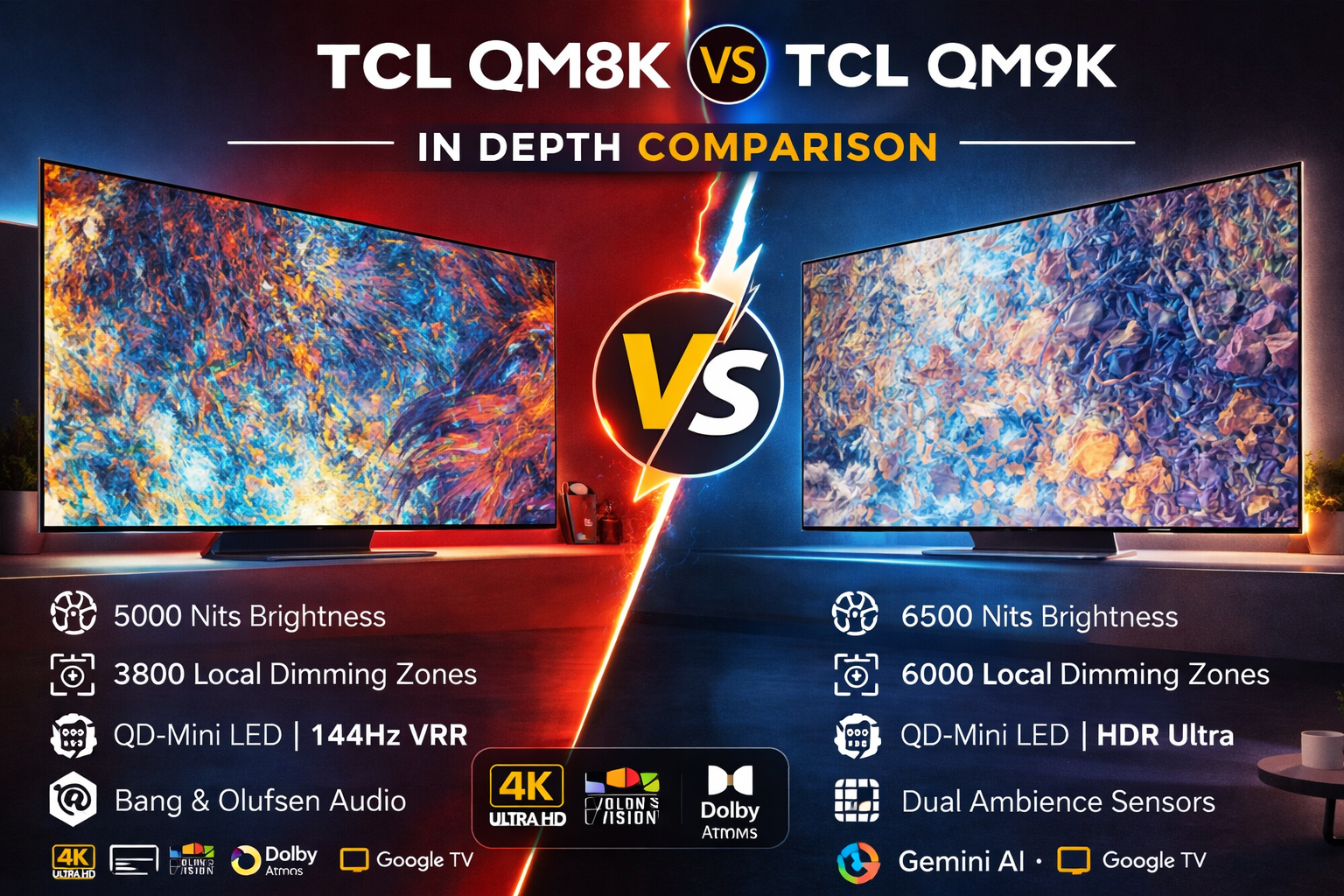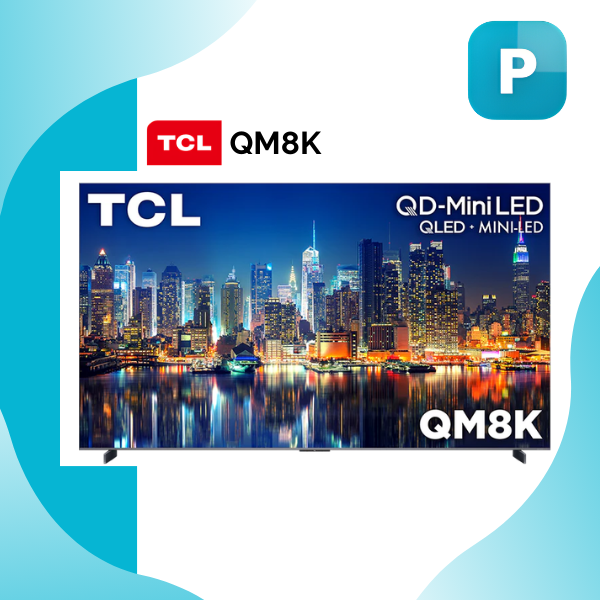
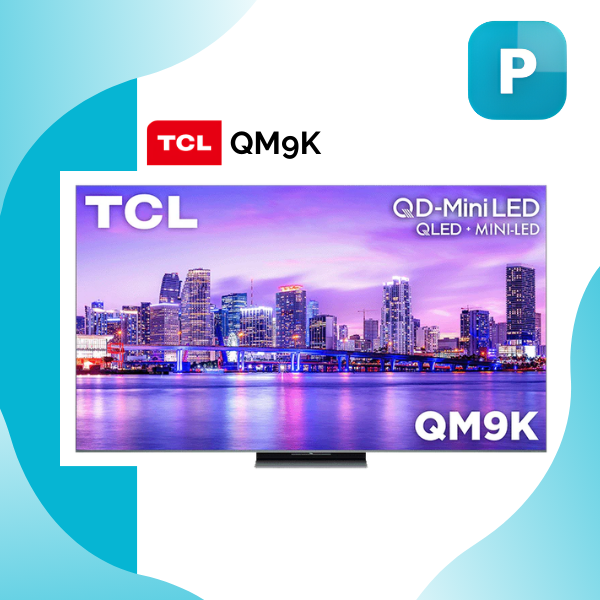
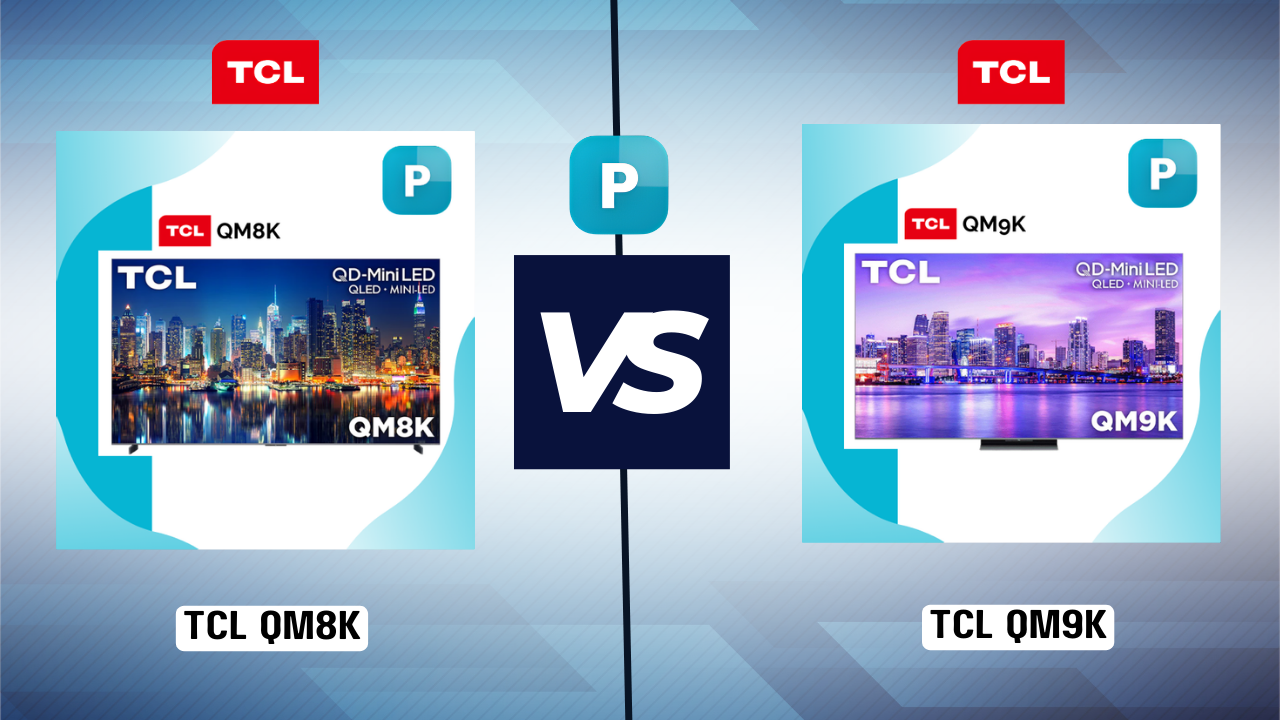
TCL QM8K vs TCL QM9K In Depth Comparison
When shopping for a top-tier 4K television that delivers cinema-like visuals without breaking the bank, TCL’s latest Mini-LED offerings stand out as serious contenders. The QM8K and QM9K share the same core DNA as QD-Mini LED powerhouses built on CrystGlow WHVA panels, yet they diverge in ways that matter for everyday viewing, intense gaming sessions, and even casual smart-home integration. This detailed breakdown explores every meaningful difference so you can decide which model truly fits your setup and expectations.
Design and Build Quality: A Closer Look
Both televisions adopt an ultra-slim profile that hugs the wall elegantly, making them ideal for minimalist living rooms or bedroom mounts. VESA compatibility follows standard patterns—300x300 for the 65-inch variants and a wider 600x500 for the 98-inch behemoths—so installation feels straightforward regardless of your choice. Where the QM9K pulls ahead is its Virtually ZeroBorder framing, which shrinks the black edges to nearly invisible levels and creates the illusion of an endless screen. This design choice isn’t just cosmetic; it heightens immersion during movies because your eyes focus purely on the content rather than any distracting frame.
The QM9K further adds an anti-reflective screen coating that actively cuts down glare from windows or overhead lights. In a sunlit family room, this treatment keeps reflections from washing out highlights, preserving the intended contrast even when ambient brightness fights the picture. The QM8K, while still sleek and modern, relies on a standard matte finish without this specialized layer, so viewers in brighter spaces may notice occasional sheen that pulls attention away from the action. Build materials feel premium on both, with sturdy stands that support the larger sizes without wobble, but the QM9K’s extra ambient-light sensor also lets the TV automatically adjust brightness and even display artwork when idle. That small touch turns the television into a subtle piece of home décor instead of a black rectangle when not in use. Overall, if your room receives a lot of natural light or you appreciate a floating-screen aesthetic, the QM9K’s refined construction delivers a noticeably more polished everyday experience.
Picture Quality: Brightness, Dimming, and Visual Excellence Explained
Picture performance is where these two models separate themselves most clearly, and the numbers tell only part of the story. The QM8K reaches a peak brightness of 5000 nits thanks to its precise local dimming array capped at around 3800 zones. That already outperforms most conventional LED TVs and produces vivid HDR highlights that pop during daytime sports or action films. Yet the QM9K raises the ceiling to 6500 nits while deploying up to 6000 zones backed by TCL’s proprietary Halo Control System. More zones mean each LED cluster can be controlled with finer granularity, so bright objects against dark backgrounds stay crisp without the halo or blooming that sometimes creeps into lesser dimming setups.
Imagine watching a night scene in a sci-fi epic like “Dune.” On the QM8K the stars sparkle and sand dunes retain texture, but subtle light spill around the brightest elements can soften true black levels. Switch to the QM9K and those same scenes gain deeper, inkier blacks because the extra zones shut off light more aggressively in tiny areas. The manufacturer even lists a native contrast ratio of 7000:1 for the QM9K, giving it an inherent edge before local dimming even activates. Both sets use quantum-dot technology to reach 1.07 billion colors, yet the QM9K’s enhanced QLED layer extracts slightly richer saturation and more accurate skin tones under varying lighting. Dolby Vision IQ on each model adapts the picture dynamically to room conditions, but the QM9K’s additional HDR Ultra support unlocks wider tone-mapping latitude, letting specular highlights in 4K content reach new levels of intensity without clipping.
Motion handling stays evenly matched at a native 144 Hz panel speed paired with Motion Rate 480 and MEMC frame insertion. Fast panning shots in sports or racing games stay smooth and judder-free on either television. Still, the QM9K’s superior brightness ensures those moving highlights remain visible and punchy even in mixed lighting, while the QM8K can occasionally look a touch flatter when the room brightens. In real-world terms, the extra dimming zones and nits translate to a more consistent, film-like experience across genres—from quiet dramas needing perfect shadow detail to explosive blockbusters demanding blinding peaks. If visual fidelity ranks as your top priority and you watch in varied lighting, the QM9K’s display hardware simply pulls further ahead.
Performance, Gaming, and Smart Capabilities Compared
Under the hood both televisions rely on the same TCL AIPQ PRO processor, which excels at upscaling lower-resolution content, optimizing color accuracy, and applying AI-driven enhancements in real time. Processing power feels responsive whether you stream 1080p YouTube clips or native 4K Blu-rays. Gaming features line up almost identically: Game Accelerator 288 slashes input lag for ultra-responsive play, Variable Refresh Rate reaches 144 Hz to eliminate tearing, and support for ALLM plus AMD FreeSync Premium Pro covers consoles and high-end PCs alike. Both sets switch automatically into low-latency mode when a game console powers on, so you never miss a beat adjusting settings manually. The QM9K’s higher peak brightness adds a subtle but welcome advantage here—HDR game worlds like those in “Cyberpunk 2077” reveal more detail in dark alleys without sacrificing the glowing neon signs.
Audio arrives tuned by Bang & Olufsen on each model, complete with Dolby Atmos decoding for height effects and immersive surround. Dialogue stays clear, bass hits with authority, and the built-in speakers handle most rooms without an immediate need for a soundbar. Still, owners of larger spaces will appreciate the same clean, room-filling performance on both televisions. On the smart side the Google TV platform powers both, delivering hands-free voice control via the backlit remote, built-in Chromecast, Apple AirPlay 2, and compatibility with Alexa, Google Assistant, and HomeKit. The QM9K, however, integrates Google Gemini AI for more natural conversational commands and smarter content suggestions—“show me action movies with strong female leads” actually returns relevant results faster. Extras such as the Ambient Mode Sensor and a gallery of over 350 artworks turn the QM9K into an elegant digital frame when the TV is off, a convenience the QM8K lacks. Connectivity remains generous across the board—four HDMI ports including eARC, dual USB, Ethernet, and Wi-Fi 6 (with the QM9K offering consistent Wi-Fi 6 even on the 98-inch model). These shared features keep both televisions future-ready for 4K/120 Hz gaming and high-bitrate streaming, yet the QM9K’s AI polish and ambient extras give it a slight edge for users who treat their TV as a central smart-home hub.