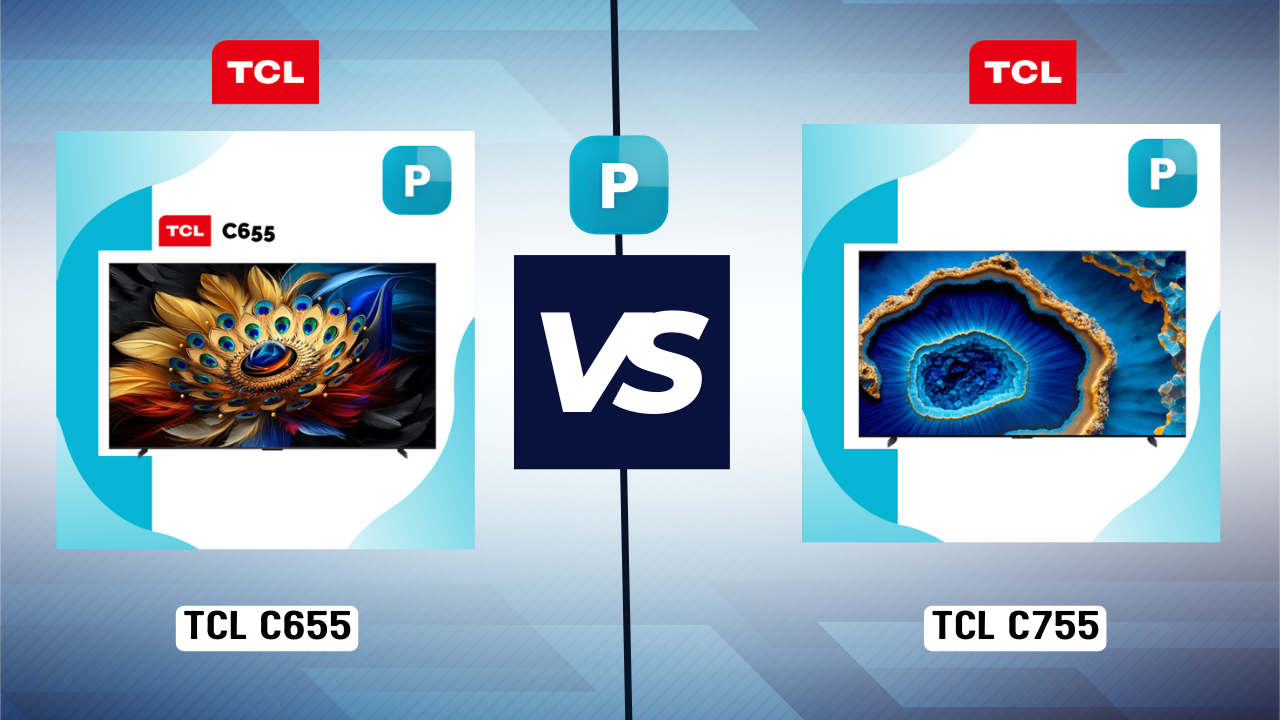
TCL C655 vs TCL C755 TV In-Depth Comparison
When diving into the world of modern televisions, few matchups spark as much interest as the TCL C655 vs TCL C755 TV in-depth comparison. Both models hail from TCL's acclaimed lineup, offering premium features at competitive prices, but they cater to slightly different needs with their unique specs and performance tweaks. The C655, released in 2024, builds on the foundation laid by the 2023 C755, introducing subtle refinements while maintaining core strengths. This head-to-head analysis will break down their design, display prowess, audio capabilities, smart functionalities, and gaming potential to help you decide which one fits your home entertainment setup best. Whether you're upgrading for movie nights, immersive gaming, or everyday streaming, understanding these differences is key.
Design and Build Quality
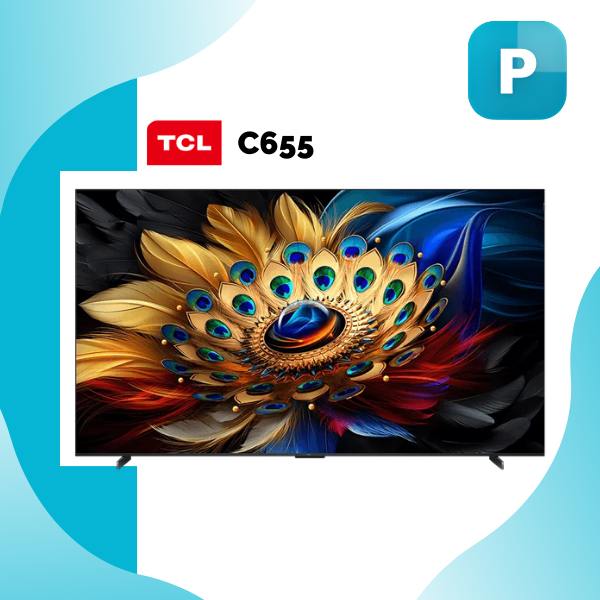
Starting with aesthetics and construction, both the TCL C655 and TCL C755 boast sleek, modern designs that prioritize minimalism and integration into any living space. The C655 features a slim metallic bezel-less uni-body design, which gives it a premium, edge-to-edge look that maximizes screen real estate. This makes it ideal for wall mounting or placement on a stand without distracting frames. Available in sizes from 43 inches up to a massive 98 inches, it offers flexibility for various room sizes, from compact apartments to spacious home theaters.
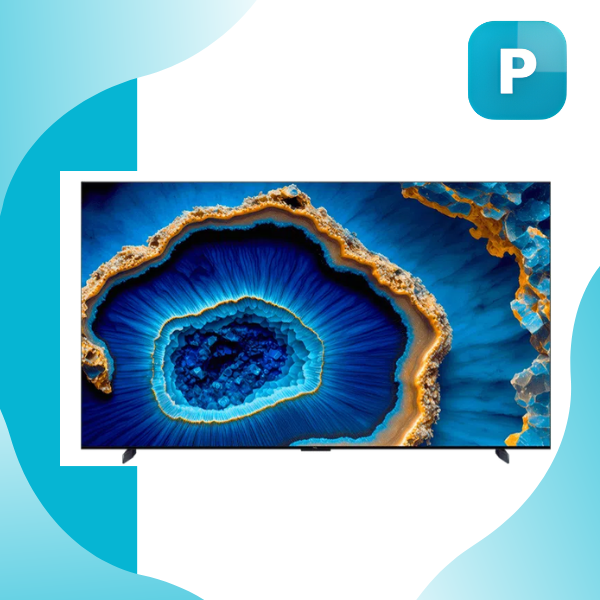
In contrast, the C755 also comes in sizes ranging from 50 to 98 inches, skipping the smaller 43-inch option but matching the larger ones. Its flat VA panel and overall build emphasize durability with a similar bezel-less approach, though it doesn't explicitly highlight the "uni-body" aspect in the same way. Both TVs use high-quality materials that resist fingerprints and scratches, ensuring they age gracefully. However, the C655's 2024 refresh feels slightly more refined in terms of weight distribution and stand stability, making it easier to set up without wobbling. If space is a constraint, the C655's broader size range gives it a slight edge, but for larger setups, they're neck-and-neck in visual appeal.
Display Technology and Picture Performance
The heart of any TV comparison lies in the screen, and here the TCL C655 vs TCL C755 TV in-depth comparison reveals some notable distinctions. The C655 employs QLED PRO technology on a VA panel, delivering vibrant colors with a 95% DCI-P3 color gamut. Its 4K UHD resolution (3840 x 2160) is paired with a 120Hz refresh rate that supports VRR up to 144Hz and DLG up to 240Hz, ensuring smooth motion for fast-paced content. Brightness peaks at 450 nits, which is solid for most indoor environments, and the 6000:1 contrast ratio provides deep blacks and sharp details. HDR support includes HDR10+, Dolby Vision, and HLG, making it excellent for streaming services with dynamic range enhancements.
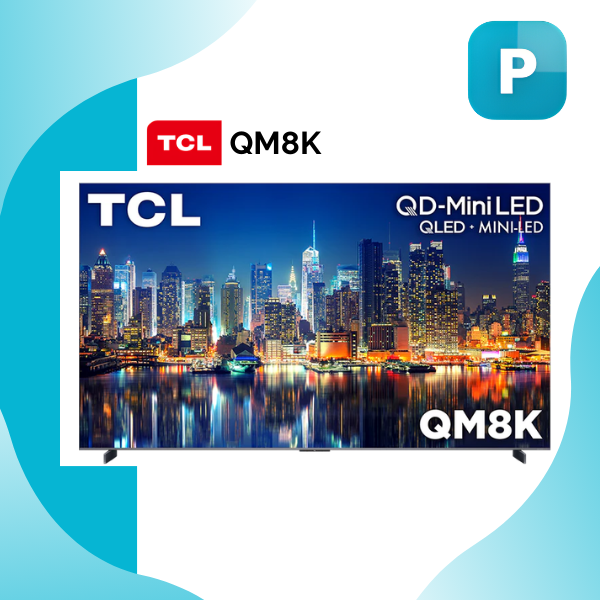
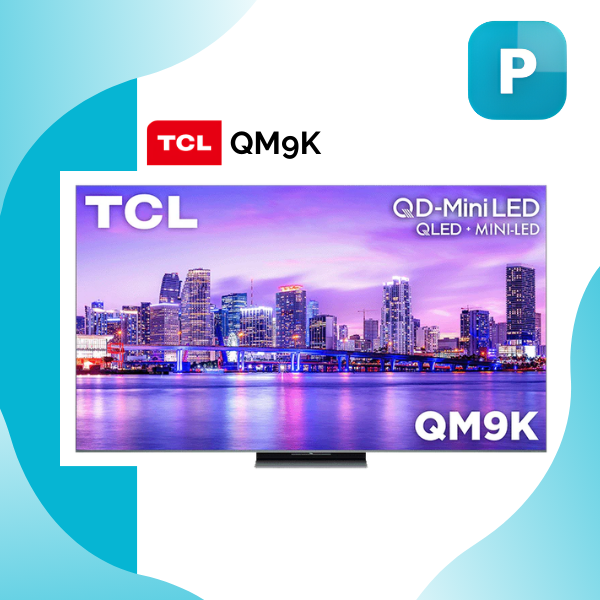
On the other hand, the C755 steps up with QD-Mini LED technology, also on a VA panel, boasting a slightly higher 96% DCI-P3 color gamut for even more accurate and vivid hues. It matches the 4K resolution but starts with a higher base refresh rate capability, supporting 144Hz VRR and 240Hz DLG right out of the gate. The standout feature is its impressive 1600 nits peak brightness, which crushes the C655 in bright rooms or for HDR content that demands punchy highlights. Contrast remains at 6000:1, and HDR formats are similar, but the C755 adds Dolby Vision IQ, which intelligently adjusts picture settings based on ambient light. This makes the C755 superior for daytime viewing or rooms with lots of windows, while the C655 holds its own in controlled lighting setups. Overall, if brightness and color precision are priorities, the C755 pulls ahead, but the C655's QLED PRO offers a more budget-friendly balance without major sacrifices.
Audio Features and Sound Quality
Sound is often an afterthought in TVs, but both models integrate robust audio systems that elevate the experience. The C655 comes equipped with an ONKYO 2.1 channel setup including a subwoofer, delivering (10W + 10W) x 2 + 20W power output. This configuration provides clear dialogue, balanced mids, and surprisingly deep bass for built-in speakers. Support for Dolby Atmos and DTS-HD + DTS Virtual:X creates an immersive soundstage, simulating surround sound without extra hardware. It's particularly effective for movies and music, filling medium-sized rooms adequately.
The C755 mirrors this with a 2.1 channel system and the same (10W + 10W) x 2 + 20W x 1 audio power, also featuring Dolby Atmos and DTS-HD + DTS Virtual:X. The audio tuning feels comparable, with crisp highs and punchy lows, though some users might notice a slight edge in spatial audio rendering due to the C755's IMAX Enhanced certification, which optimizes for cinematic experiences. Both TVs avoid the tinny sound common in slimmer models, but neither replaces a dedicated soundbar for audiophiles. In the TCL C655 vs TCL C755 TV in-depth comparison, audio is a virtual tie, with the C755's extra certification giving it a nod for theater-like immersion.
Smart Features, Connectivity, and Gaming
Both TVs run on Google TV, providing a user-friendly interface with seamless access to apps like Netflix, YouTube, and Disney+. Hands-free voice control via Google Assistant is standard, allowing effortless searches and smart home integration. The C655 includes 32GB of storage for apps and media, while the C755 doesn't specify but likely matches or exceeds this. Connectivity options are robust: both support Bluetooth (5.0 on C655, 5.2 on C755) and Wi-Fi (Wi-Fi 5 vs Wi-Fi 6), with the C755's upgrades ensuring faster, more stable connections for 4K streaming.
HDMI ports cover 1.4, 2.0, and 2.1 standards, including eARC/ARC and CEC for easy device control. Features like Miracast for screen mirroring, video chat (camera required), PVR/Timeshift for recording, and DTV EPG are shared. Gaming shines on both with Game Master 2.0, ALLM for low latency, and AMD FreeSync (Premium on C655, Premium Pro on C755). The C755's higher refresh rates and FreeSync Pro make it marginally better for competitive gaming, reducing tearing and stutter.
Comparison Reviews
Drawing from user feedback and expert insights, the TCL C655 vs TCL C755 TV in-depth comparison highlights real-world performance. Many reviewers praise the C655 for its value, noting its improved processor (AiPQ PRO) delivers smoother upscaling and color accuracy compared to older models. It's often recommended for budget-conscious buyers who want future-proof features without splurging. Common positives include the bezel-less design and reliable Google TV ecosystem, though some mention the 450 nits brightness can wash out in very bright rooms.
Conversely, the C755 garners acclaim for its superior brightness and QD-Mini LED tech, making it a favorite for HDR enthusiasts. Reviews frequently highlight its IMAX Enhanced mode for blockbuster movies and the Wi-Fi 6 for lag-free online gaming. Drawbacks include a slightly higher price point and the absence of a 43-inch size, which limits options for smaller spaces. Overall, aggregated reviews score the C755 higher in premium categories like picture quality (around 4.7/5 stars), while the C655 excels in affordability and versatility (4.5/5 stars). Users upgrading from older TCLs often prefer the C755 for noticeable brightness gains, but newcomers find the C655's refinements sufficient for most needs.