TCL C755 vs TCL C845 TV In Depth Comparison
When diving into the world of premium televisions, the TCL C755 vs TCL C845 TV In Depth Comparison stands out as a key battle between two high-end models from the same brand, both released in 2023. TCL has positioned these TVs as feature-packed options for home entertainment enthusiasts, blending advanced display technologies with smart capabilities. The C755 belongs to the C series with a focus on QD-Mini LED tech, while the C845 emphasizes Mini LED with QLED enhancements. This comparison will break down their differences across various aspects, helping you decide which one suits your viewing needs better. Whether you're upgrading your living room setup or seeking immersive gaming experiences, understanding these models' strengths is crucial.
Design and Build Quality
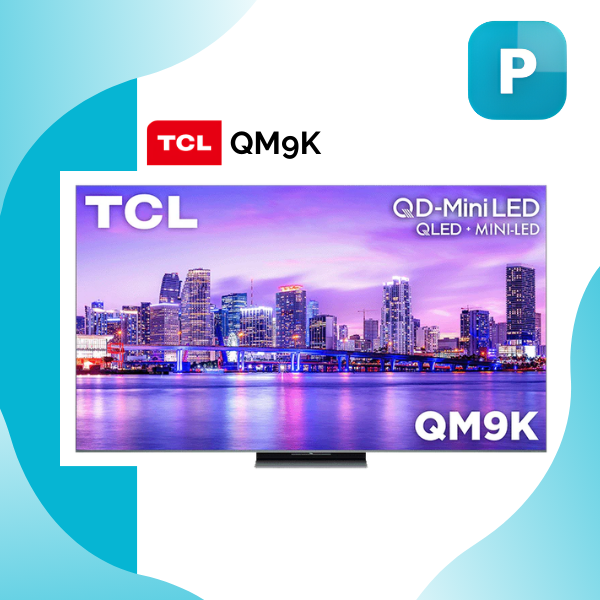
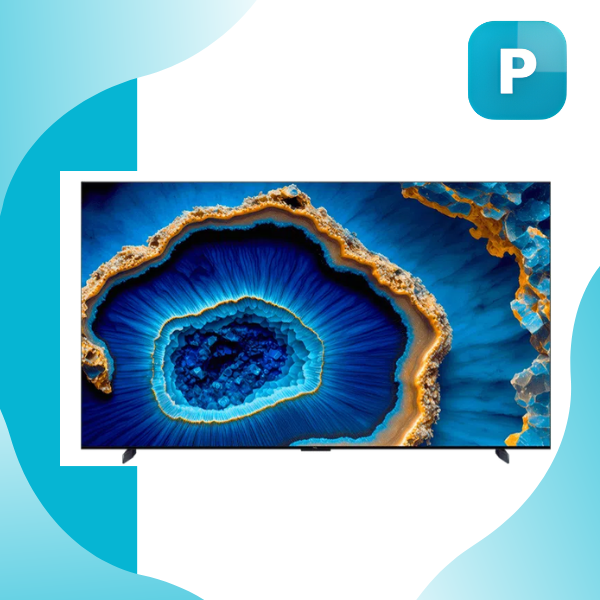
Starting with aesthetics and construction, both the TCL C755 and TCL C845 boast modern, sleek designs that fit seamlessly into contemporary homes. The C755 features a flat VA panel with a bezel-less metallic frame, giving it a premium look without unnecessary bulk. Its stand is adjustable, allowing for flexible placement on various surfaces. Available in sizes from 50 inches up to a massive 98 inches, it caters to those wanting oversized screens for theater-like experiences. The build feels sturdy, with a focus on durability for long-term use.
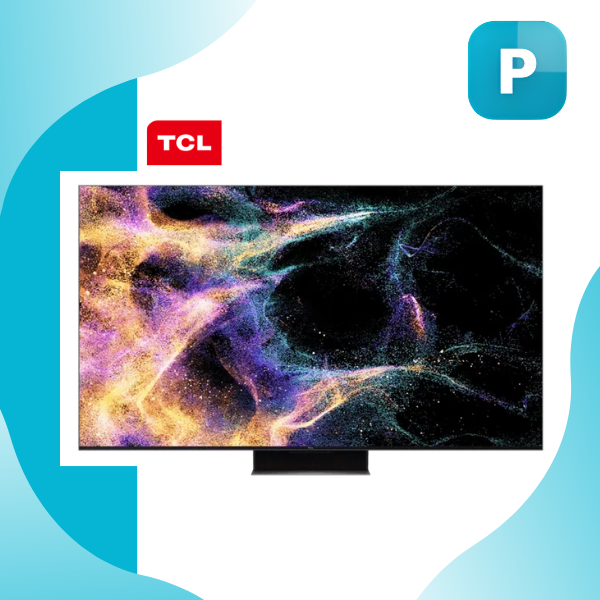
In contrast, the C845 also sports a bezel-less metallic design, but it includes an adjustable stand that offers more positioning options, which could be a plus for users with unique room layouts. Screen sizes range from 55 inches to 85 inches, so it doesn't go as large as the C755's 98-inch variant. This makes the C845 ideal for medium to large rooms where space might be a constraint. Both models are wall-mountable, but the C845's slightly slimmer profile might appeal to minimalists. Overall, in the TCL C755 vs TCL C845 TV In Depth Comparison, the C755 edges out for those prioritizing bigger screens, while the C845 wins for refined elegance in smaller setups. Neither feels cheap, with TCL's quality control ensuring they withstand daily wear.
Picture Quality and Performance
Picture quality is where these TVs truly shine, and the TCL C755 vs TCL C845 TV In Depth Comparison reveals nuanced differences in their display prowess. The C755 uses QD-Mini LED technology on a VA panel, delivering a 4K UHD resolution of 3840 x 2160 with a 16:9 aspect ratio. Its refresh rate hits 144Hz with Variable Refresh Rate (VRR) and up to 240Hz via Dynamic Latency Game (DLG), making it smooth for fast-paced content. Peak brightness reaches 1600 nits, paired with a 6000:1 contrast ratio, which ensures deep blacks and vibrant highlights. Color coverage is impressive at 96% DCI-P3, supported by HDR formats like Dolby Vision IQ, HDR10+, and HLG. This setup excels in bright rooms, reducing glare and maintaining detail in shadows.
The C845, on the other hand, combines Mini LED with QLED for enhanced color accuracy, covering 97% DCI-P3. It also offers 4K UHD resolution but with a base 120Hz refresh rate that can scale to 144Hz VRR and 240Hz DLG. Its peak brightness soars to 2000 nits for HDR content, with a typical full white brightness of 600 nits, outperforming the C755 in intensely lit environments. The contrast ratio is 5000:1, slightly lower, but it benefits from up to 896 local dimming zones and 2304 micro dimming zones, minimizing bloom and enhancing precision in dark scenes. Both support IMAX Enhanced for cinematic viewing, but the C845's AiPQ Processor 3.0 provides smarter upscaling and noise reduction.
In practical terms, the C845 might deliver punchier visuals in HDR movies due to higher brightness, while the C755's higher native contrast could favor gaming or sports. Motion handling is stellar on both, with minimal blur, but users sensitive to blooming might prefer the C845's advanced dimming. For color enthusiasts, the marginal edge in gamut goes to the C845, though real-world differences are subtle without side-by-side testing.
Audio Capabilities
Sound is often an afterthought in TVs, but the TCL C755 vs TCL C845 TV In Depth Comparison shows both models stepping up with immersive audio systems. The C755 employs a 2.1 channel setup with 10W + 10W speakers and a 20W subwoofer, totaling around 40W of power. It supports Dolby Atmos for spatial sound, along with DTS-HD and DTS Virtual:X for virtual surround effects. This configuration delivers clear dialogue and decent bass, suitable for casual viewing or small rooms. Hands-free voice control integrates seamlessly, allowing adjustments without remotes.
Stepping up, the C845 features an ONKYO 2.1 channel system with a built-in subwoofer, boasting 60W total power (2 x 10W + 2 x 15W + 20W sub). This provides richer, more powerful audio, with deeper bass that fills larger spaces. Like the C755, it includes Dolby Atmos, DTS-HD, and DTS Virtual:X, but the extra wattage and additional speakers make explosions in action films or music in concerts feel more dynamic. Both are certified for eye protection with TÜV Low Blue Light, but audio-wise, the C845's premium ONKYO branding gives it an edge for audiophiles who don't want external soundbars.
In everyday use, the C755 suffices for most households, offering balanced sound without distortion at high volumes. However, if you host movie nights or enjoy bass-heavy content, the C845's superior setup could justify the investment. Neither replaces a dedicated home theater, but they reduce the need for add-ons.
Smart Features and Gaming
Both TVs run on Google TV, providing a user-friendly interface with access to streaming apps, but the comparison highlights gaming and connectivity perks. The C755 includes Game Master 2.0, AMD FreeSync Premium Pro, and 144Hz VRR for tear-free gameplay. It supports HDMI 2.1 with eARC/ARC, CEC, and up to four ports (though versions vary). Bluetooth 5.2 and Wi-Fi 6 ensure stable connections, plus features like video chat, Miracast, and quick settings. Google Assistant is built-in for voice commands.
The C845 matches with Game Master 2.0 and AMD FreeSync Premium Pro, adding ALLM for low latency. It has four HDMI 2.1 ports standard, supporting eARC, VRR, and more. Wi-Fi 6 and Bluetooth 5.2 are present, alongside extras like AirPlay 2, Multi View 2.0 for split-screen, and gesture control. Works with Alexa expands voice options beyond Google Assistant. For gamers, both handle consoles like PS5 or Xbox Series X admirably, but the C845's additional zones and processor might offer slightly better input lag reduction.
Connectivity includes USB ports, Ethernet, and optical audio out on both, with PVR/Timeshift for recording. The C845's broader ecosystem, including IMAX Enhanced and news filters, makes it more versatile for smart homes.