TCL C855 vs Hisense Class U8N In Depth Comparison
When it comes to choosing a premium 4K TV in 2024, the TCL C855 and Hisense Class U8N stand out as strong contenders in the Mini-LED category. Both models promise exceptional picture quality, immersive audio, and advanced gaming features, making them ideal for home entertainment enthusiasts. This TCL C855 vs Hisense Class U8N In Depth Comparison dives into their key differences and similarities, helping you decide which one fits your needs better. With peak brightness levels soaring high and robust smart platforms, these TVs cater to movie buffs, gamers, and everyday viewers alike. We'll explore aspects like display technology, sound systems, connectivity, and more to provide a comprehensive overview.
Picture Quality and Display Technology
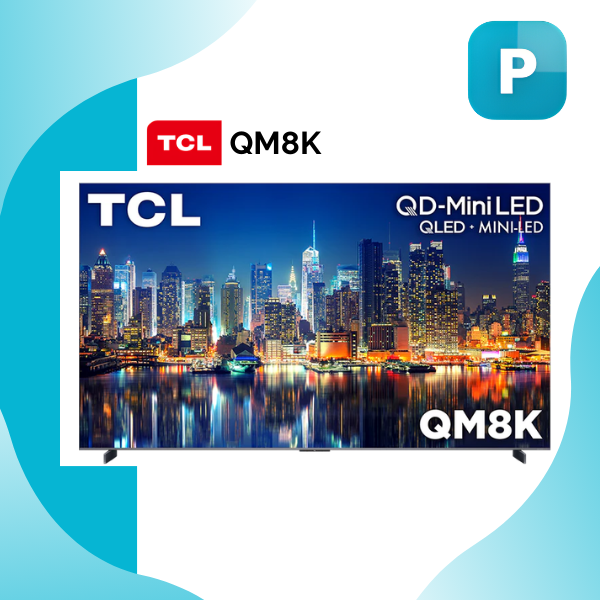
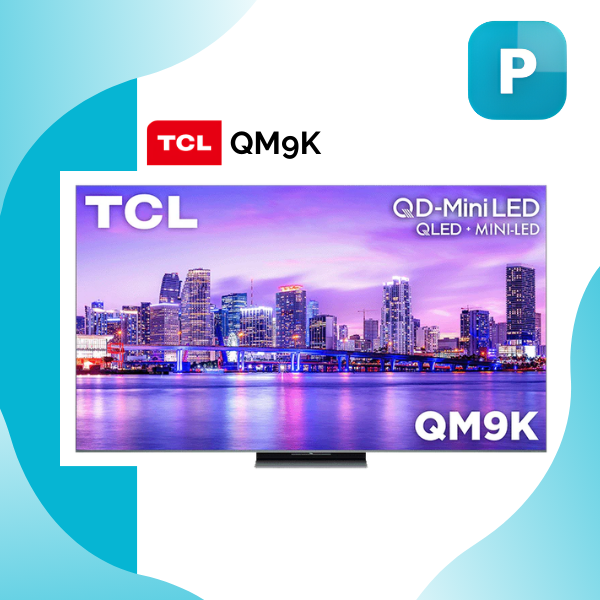
The heart of any TV comparison lies in picture quality, and here the TCL C855 and Hisense Class U8N both leverage Mini-LED technology for superior contrast and brightness. The TCL C855 boasts a VA panel with QLED enhancements, delivering a color gamut of 97% DCI-P3 for vibrant, lifelike colors. Its peak brightness hits an impressive 3300 nits, with a typical brightness of 700 nits, ensuring excellent visibility even in brightly lit rooms. Local dimming is handled by 1344 zones, which minimizes blooming and enhances black levels, achieving a contrast ratio of 5600:1. Support for Dolby Vision IQ, HDR10+ Adaptive, HLG, and other HDR formats means dynamic scenes pop with detail.
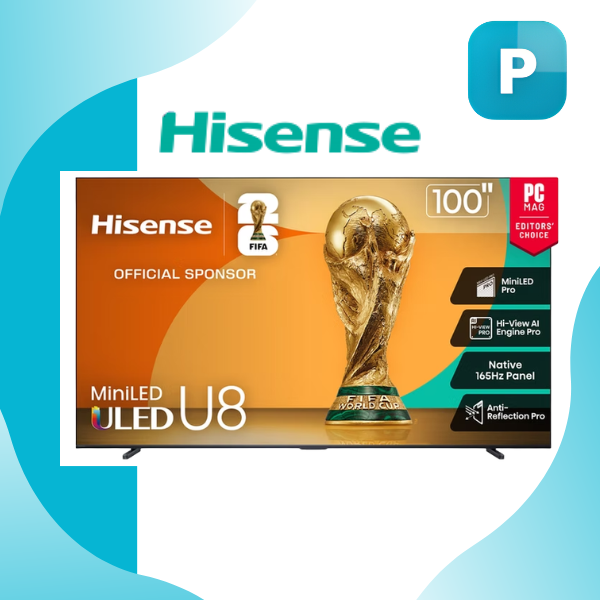
On the other side, the Hisense Class U8N uses Mini-LED Pro+ with Full Array Local Dimming, offering up to 3000 nits of peak brightness. While slightly lower than the TCL's peak, it's still remarkable for handling HDR content brilliantly. The QLED Quantum Dot technology claims over a billion colors, paired with a 4K UHD resolution and 16:9 aspect ratio. HDR support includes Dolby Vision, HDR10, HDR10+, HLG, and advanced HDR, processed by the Hi-View Engine PRO AI Processor for optimized upscaling and noise reduction. Both TVs maintain a 144Hz refresh rate, but the Hisense edges out with a Motion Rate of 480, incorporating MEMC for smoother motion in fast-paced action.
In direct comparison, the TCL C855 might have a slight advantage in peak brightness and dimming zones, potentially offering deeper blacks and more precise highlights. However, the Hisense's AI processor could provide smarter image enhancements, making it better for varied content like sports or streaming shows. If you're in a sun-drenched living room, the TCL's higher nits could make a noticeable difference, but both excel in dark room viewing thanks to their anti-glare capabilities inherent in VA panels.
Audio Performance and Sound Features
Sound quality often gets overlooked in TV purchases, but both the TCL C855 and Hisense Class U8N deliver immersive audio experiences without needing an immediate soundbar upgrade. The TCL features a 2.2.2 channel system with 60W total power, broken down into 2×10W main speakers, 2×10W subwoofers, and 2×10W up-firing speakers for overhead effects. Dolby Atmos and DTS-HD + DTS Virtual:X support create a surround sound environment, enhancing movies and games with spatial audio.
The Hisense Class U8N counters with a 2.1.2 multi-channel speaker system, outputting 50W (or 60W on the 85-inch model). It also supports Dolby Atmos, focusing on clear dialogue and powerful bass through its built-in setup. While the power output is similar, the Hisense's configuration might feel slightly less expansive without the extra up-firing channels, but its integration with the AI processor ensures adaptive sound based on content.
Comparing the two, the TCL C855's additional subwoofers and up-firing speakers could provide a more cinematic feel, especially for Atmos-enabled content. Users might notice richer lows and highs on the TCL, making it preferable for action films or music streaming. The Hisense, however, holds its own with balanced output and is particularly strong in larger sizes where the 60W kicks in. Neither skimps on quality, but if audio immersion is a priority, the TCL edges ahead in this TCL C855 vs Hisense Class U8N In Depth Comparison.
Smart Features, Connectivity, and Usability
Both TVs run on Google TV, ensuring a seamless smart experience with access to thousands of apps, personalized recommendations, and easy navigation. The TCL C855 includes hands-free voice control via built-in Google Assistant, IMAX Enhanced certification for theater-like viewing, and features like video chat and Miracast for wireless display. Connectivity is robust with Wi-Fi 6, Bluetooth 5.2, and HDMI ports (2× HDMI 2.1 and 2× HDMI 2.0), supporting eARC, CEC, VRR, and ALLM. Quick settings and an EPG add to user-friendliness.
The Hisense Class U8N matches with Google TV, built-in Google Assistant, and compatibility with Alexa. It ups the ante with Wi-Fi 6E for faster wireless speeds and Bluetooth 5.0. HDMI setup includes 4 ports (2× HDMI 2.1 with 4K@144Hz and 2× HDMI 2.0), plus USB 2.0, Ethernet, and even ATSC 3.0 tuner for NextGen TV. Additional perks like noise reduction, parental controls, closed captions, and a sleep timer enhance daily use. The backlit voice remote is a nice touch for low-light control.
In terms of usability, the Hisense might appeal more to cord-cutters with its advanced tuner and Wi-Fi 6E, while the TCL's Bluetooth 5.2 offers better device pairing. Both support multi-room audio and streaming, but the Hisense's broader language support (English, French, Spanish) could be a plus for diverse households. Overall, they're neck-and-neck, with minor edges depending on your setup—Hisense for future-proof connectivity, TCL for integrated extras like IMAX.
Gaming Capabilities
Gamers will appreciate the advanced features in both models, designed for next-gen consoles and PC gaming. The TCL C855's Game Master 2.0 optimizes settings automatically, with 144Hz VRR, AMD FreeSync Premium Pro, and ALLM for low input lag. HDMI 2.1 ports support 4K@144Hz, ensuring smooth gameplay in titles like FPS or racing games.
The Hisense Class U8N features 144Hz Game Mode Pro, VRR from 48Hz to 144Hz, AMD FreeSync Premium Pro, and ALLM. Its two HDMI 2.1 ports handle high-frame-rate gaming effortlessly, backed by the AI processor for enhanced graphics.
This TCL C855 vs Hisense Class U8N In Depth Comparison shows minimal differences here—both are excellent for gaming, with fluid motion and minimal blur. The TCL's extra dimming zones might provide better contrast in dark game scenes, while Hisense's Motion Rate could smooth out intense action. Either way, they're top-tier choices for PlayStation 5 or Xbox Series X users.
Comparison Reviews
Drawing from their specifications, user feedback on similar models suggests the TCL C855 impresses with its brightness and color accuracy, often praised for value in bright environments. Some note occasional software glitches in Google TV, but updates resolve most issues. The Hisense Class U8N garners acclaim for its AI-driven picture tuning and solid build, with users highlighting its performance in HDR content and gaming. Criticisms include slightly warmer color tones out of the box, requiring calibration. In head-to-head reviews, the TCL often wins on audio depth, while Hisense excels in motion handling. Both score high in affordability for their features, with the TCL feeling more premium in larger sizes like 98 inches, versus Hisense's max of 85 inches. Overall, satisfaction rates are strong, with TCL appealing to cinema lovers and Hisense to tech-savvy gamers.