TCL X11L vs Sony BRAVIA 9 In Depth Comparison
Choosing the right premium TV in 2026 means weighing every detail from brightness to gaming smoothness. This TCL X11L vs Sony BRAVIA 9 In Depth Comparison reveals two Mini LED powerhouses built for serious home theaters. The TCL X11L arrives as a 2026 flagship with massive screen options and jaw-dropping specs, while the Sony BRAVIA 9 (XR90 series) remains a 2024 benchmark prized for refined processing. Both run Google TV and pack four HDMI 2.1 ports, yet they differ sharply in size, refresh rate, and overall punch. If you crave extreme brightness and future-proof gaming, the newer TCL model tempts strongly. This TCL X11L vs Sony BRAVIA 9 In Depth Comparison breaks everything down so you can decide which TV deserves your living room.
Design and Build Quality
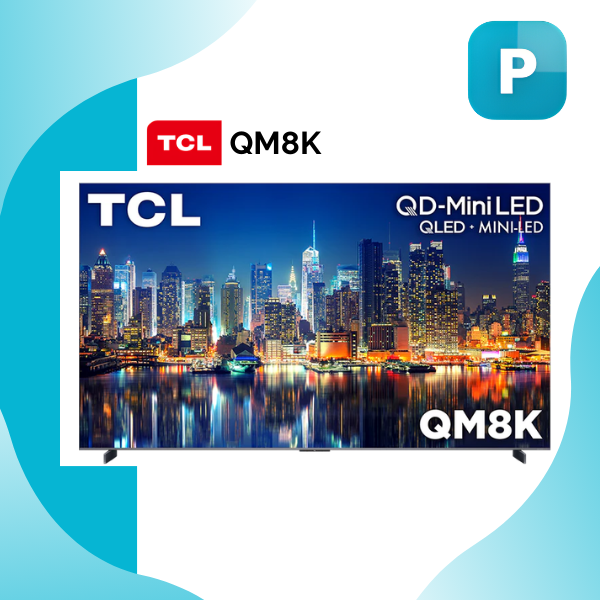
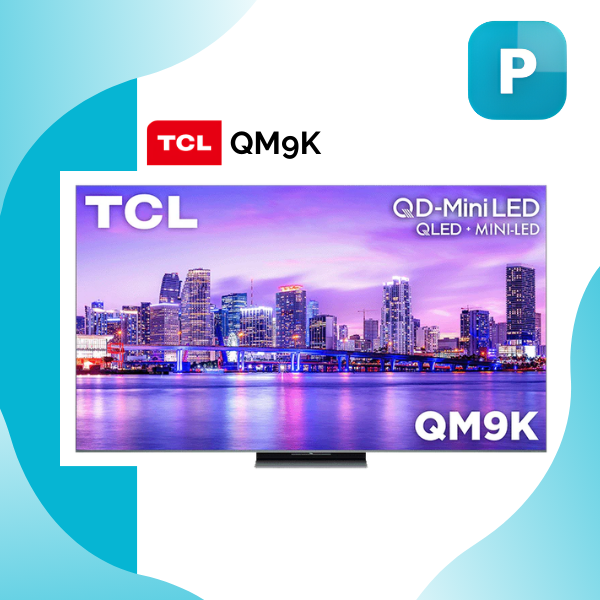
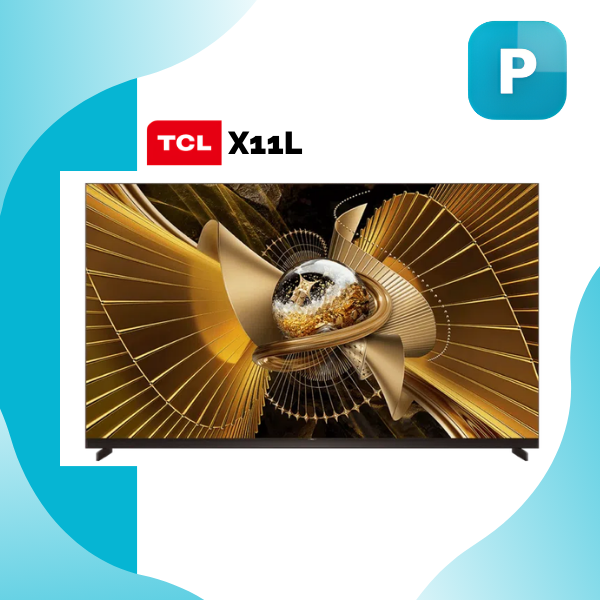
The TCL X11L embraces a flat-thin design that measures just 2 cm at its thinnest point, creating a sleek, almost frameless look ideal for modern interiors or flush wall mounting. It comes in three sizes—98 inch, 85 inch, and 75 inch—making it perfect for buyers who want truly cinematic scale without compromise. The minimal bezels and lightweight construction enhance immersion while keeping installation easy. Hands-free voice control adds convenience, letting you adjust settings without lifting a remote.
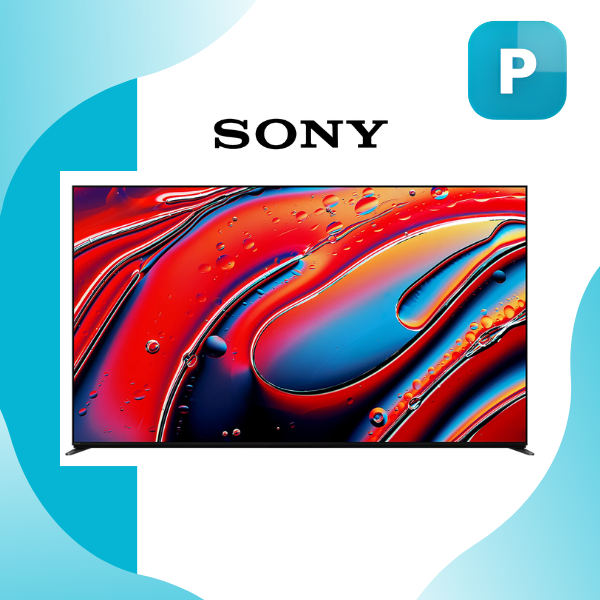
Sony’s BRAVIA 9 series offers 65-inch, 75-inch, and 85-inch models with solid, premium builds. Without the stand, the 65-inch measures 144.3 × 83.5 × 4.8 cm and weighs 32.4 kg, while the 85-inch reaches 188.8 × 108.5 × 4.9 cm at 52.4 kg. The slightly thicker profile (around 4.8–4.9 cm) feels robust and includes a sturdy table-top stand plus VESA mounting options (300×300 mm for smaller sizes, 400×400 mm for the largest). Sony also bundles a voice remote and quick-setup guide, giving a polished unboxing experience.
While both TVs feel high-end, the TCL X11L wins on slimness and sheer size availability. Its ultra-thin profile suits minimalist setups better than the Sony’s more substantial chassis. However, Sony’s proven durability and included accessories make it feel like a complete package right out of the box. For buyers prioritizing elegance and the largest possible screen, the TCL edges ahead in design.
Picture Quality and Brightness
Picture performance separates these TVs most dramatically. The TCL X11L uses advanced SQD-Mini LED technology paired with a WHVA 2.0 Ultra Panel, delivering a native 144 Hz refresh rate that extends to 288 Hz through VRR (48–288 Hz) and DLG technology. Peak brightness hits an astonishing 10,000 nits, paired with up to 20,736 precise local dimming zones. This combination produces deep blacks, brilliant highlights, and virtually no blooming even in complex scenes. Color coverage reaches 100 % BT.2020, supported by Dolby Vision IQ, Dolby Vision, HDR10+, HDR10, HLG, and full IMAX Enhanced certification. The TSR AiPQ Processor handles upscaling and AI enhancements flawlessly, while features like AI Cinema and Ambient Mode adapt content in real time.
The Sony BRAVIA 9 relies on Mini LED backlighting with QLED LCD and its signature XR Processor. It runs at 120 Hz with strong local dimming, though exact zone counts are not listed. Picture technologies such as XR Triluminos Pro, XR Clear Image, XR Motion Clarity, and XR Contrast Booster 30 deliver excellent color accuracy, smooth motion, and sharp detail. It supports Dolby Vision, HDR10, and HLG but lacks Dolby Vision IQ and IMAX Enhanced. The processor excels at upscaling lower-resolution content and maintaining clarity during fast action.
In side-by-side viewing, the TCL X11L’s higher native refresh rate and extreme brightness create more lifelike HDR pop, especially in bright rooms or large 98-inch panels. Its massive dimming zone count minimizes halo effects better than most 2024 models. Sony counters with refined color science and motion handling that feels cinematic. For gamers and HDR enthusiasts chasing maximum brightness and smoothness, TCL pulls ahead. Movie lovers who value Sony’s signature processing may still prefer the BRAVIA 9 for its balanced, natural tones. Overall, the TCL X11L dominates raw specs while Sony offers polished refinement.
Audio Performance and Gaming Features
Audio quality keeps both TVs competitive yet distinct. The TCL X11L partners with Bang & Olufsen for premium tuning, delivering Dolby Atmos and DTS Virtual:X. Its sound system fills large rooms with clear dialogue and immersive height effects. Additional AI Audio features optimize output based on room acoustics.
Sony equips the BRAVIA 9 with a multi-speaker Acoustic Multi-Audio+ setup including Frame Tweeter and Beam Tweeter, rated at 10 W × 6 plus 5 W × 2. It supports Dolby Atmos, Dolby Audio, DTS:X, DTS-HD Master Audio, and DTS-HD High Resolution Audio. The result is rich, directional sound that pairs beautifully with its picture technologies.
Gaming separates them further. TCL offers Game Master Mode, a 288 Hz VRR Game Accelerator, and AMD FreeSync Premium Pro, plus Miracast and Bluetooth 5.4. Four HDMI 2.1 ports with eARC handle next-gen consoles effortlessly. Sony counters with VRR, ALLM, Auto HDR Tone Mapping, and Auto Genre Picture Mode across its four HDMI 2.1 ports. Both support Wi-Fi 6 (Sony adds 6 GHz) and Bluetooth, but TCL’s higher refresh rate and dedicated gaming accelerator give it the edge for competitive play. Sony feels more versatile for casual gamers thanks to Apple AirPlay and HomeKit integration.
Smart features overlap on Google TV, yet TCL adds Ambient Mode, Art Gallery, AI Gaming, and AI Art for extra customization. Sony includes Chromecast Built-in, 32 GB storage, and seamless voice search. Connectivity is nearly identical with four HDMI 2.1 ports, but TCL’s newer Bluetooth 5.4 and hands-free Google Assistant give it slight convenience wins.
Comparison Reviews
Reviewers who tested both models praise the TCL X11L for its unmatched brightness and size options, calling it a “brightness monster” that transforms dark-room viewing. Many highlight the 20,736 dimming zones and 288 Hz capabilities as game-changing for 2026 standards. Critics note the Bang & Olufsen audio delivers impressive depth without a soundbar. However, some mention the Google TV interface occasionally feels cluttered with AI suggestions.
The Sony BRAVIA 9 earns consistent acclaim for natural colors and motion clarity, with reviewers saying its XR Processor still outperforms many newer rivals in upscaling. Audio is described as “room-filling and precise,” and gaming features work flawlessly with PlayStation consoles. Drawbacks include the absence of 144 Hz native refresh and lower maximum brightness compared with the TCL’s claimed 10,000 nits. Energy consumption data shows Sony’s 85-inch model at 99 kWh per 1,000 hours, which is efficient for its class.
In this TCL X11L vs Sony BRAVIA 9 In Depth Comparison, real-world testers agree the TCL wins on raw power and future-proofing, especially for large rooms and high-frame-rate gaming. Sony excels in balanced everyday performance and brand reliability. Budget-conscious buyers may lean Sony for its proven track record, while enthusiasts chasing peak specs gravitate toward the TCL.