TV & Smart TV

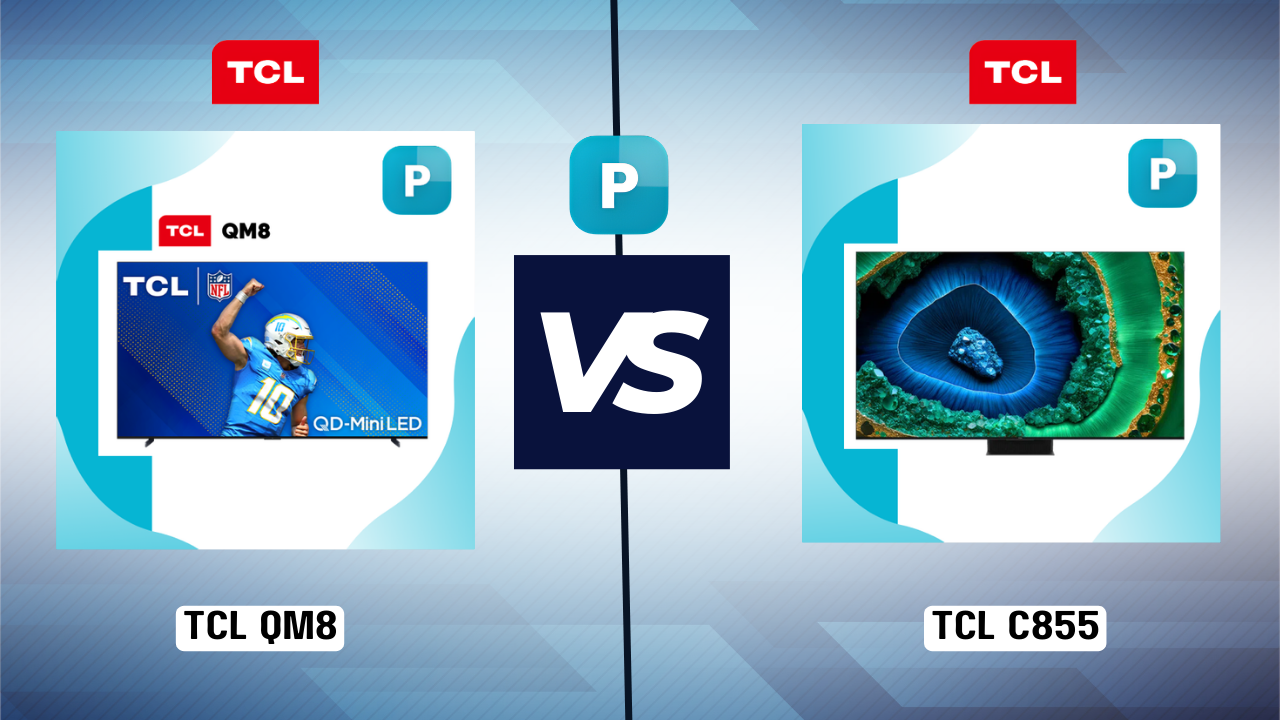
TCL QM8 vs TCL C855 In Depth Comparison

44 views March 10, 2026 Last updated: Mar 15, 2026 7 min read
Login to Save

Detailed Comparison

SpecificationTCL QM8TCL C855
Display TypeQD-Mini LED (QLED)Mini LED QLED
Resolution4K UHD (3840 × 2160)4K UHD (3840 × 2160)
Panel TypeVA PanelVA Panel
Available Sizes65", 75", 85", 98", 115"65", 75", 85", 98"
HDR SupportDolby Vision IQ, HDR10+, HDR10, HLGDolby Vision IQ, HDR10+, HDR10, HLG
Peak BrightnessHigh Brightness ULTIMATE LED (very high brightness)Up to 3300 nits
Local DimmingQD-Mini LED ULTRA1344 Local Dimming Zones
Contrast RatioOptimized deep blacks with Mini LED5600:1
Color Support1.07 Billion Colors97% DCI-P3 Color Gamut
Native Refresh Rate120Hz144Hz
Variable Refresh RateUp to 144Hz VRRUp to 144Hz VRR
Motion TechnologyMotion Rate 480 with MEMCHigh Motion Clarity
ProcessorAIPQ PRO / ULTRA AI ProcessorAdvanced Mini LED Processing
Audio SystemONKYO 2.1.2 or 6.2.2 channel2.2.2 Channel Audio
Audio Power80W (up to 120W on 115")60W
Audio TechnologiesDolby Atmos, DTS Virtual:XDolby Atmos, DTS-HD, DTS Virtual:X
Operating SystemGoogle TVGoogle TV
Voice AssistantsGoogle Assistant, Alexa, Apple HomeKitGoogle Assistant, Alexa
Gaming FeaturesAMD FreeSync Premium Pro, ALLM, Game Accelerator 240AMD FreeSync Premium Pro, ALLM, Game Master 2.0
Connectivity4 HDMI (1 eARC), USB 2.0, USB 3.0, Ethernet2 HDMI 2.1, 2 HDMI 2.0 (eARC), USB
Wireless ConnectivityWi-Fi 6, BluetoothWi-Fi 6, Bluetooth 5.2
Extra FeaturesATSC 3.0 Tuner, Chromecast, AirPlay 2Miracast, Video Chat Support
MountingVESA 400×400 (up to 1000×600 for 115")Standard VESA Mount

Full Technical Specifications

Feature TCL QM8 Q Class 4K UHD HDR QD-Mini LED reviews Specifications TCL C855 Premium QD-Mini LED 4K TV Reviews Specifications
AMD FreeSync - FreeSync Premium Pro
Aspect Ratio - 16:9
Audio Power 80W (Standard Model) / 120W (115" Model) 60W (2×10W main + 2×10W subwoofer + 2×10W up-firing)
Audio Technology Dolby Atmos, DTS Virtual:X -
Available Screen Sizes 65", 75", 85", 98", 115" 65", 75", 85", 98"
Backlight Type QD-Mini LED ULTRA / ULTIMATE -
Bluetooth - Bluetooth 5.2
Bluetooth Audio Bluetooth Personal Audio -
Brand - TCL
Brightness - 3300 nits (Peak), 700 nits (Typical)
Brightness Technology High Brightness ULTIMATE LED Backlight -
Category - TV
Certification IMAX Enhanced -
Color Gamut - 97% DCI-P3
Compatible Assistants Amazon Alexa, Google Assistant, Apple HomeKit -
Contrast Ratio - 5600:1
Customer Model - 98C855
DTS Sound - DTS-HD + DTS Virtual:X
Digital Tuner ATSC 3.0 NextGen TV -
Display Colors 1.07 Billion Colors -
Display Technology QLED ULTRA – Quantum Dot Technology -
Dolby Atmos - Yes
Dolby Vision - Dolby Vision IQ
Family - C
Flat / Curved - Flat
Game Master - Game Master 2.0
Gaming Features Game Accelerator 240, Auto Game Mode (ALLM), AMD FreeSync Premium Pro -
Google Assistant Built-in - Yes
HDMI ALLM - Yes
HDMI CEC - Yes (Certified)
HDMI Input - 2 × HDMI 2.1 + 2 × HDMI 2.0
HDMI Ports 4 HDMI Inputs (1 with eARC) -
HDMI VRR - Yes, 4K @ 144Hz
HDMI eARC / ARC - Yes
HDR Support Dolby Vision IQ, HDR10+, HDR10, HLG HDR10+ including HDR10+ Adaptive
HLG - Yes
Hands-free Voice Control - Yes
IMAX Enhanced - Yes
Included Accessories Remote Control, Batteries, Quick Start Guide -
Leading Country / Region - EU
Local Dimming QD-Mini LED Local Dimming -
Local Dimming Zones - 1344 Zones
Miracast - Yes (Wireless Display)
Motion Technology Motion Rate 480 with MEMC Frame Insertion -
Operating System Google TV Google TV
Other Ports Ethernet, RF Input, Optical Audio Output, AV Input, Headphone Output -
Panel Refresh Rate 120Hz (144Hz Variable Refresh Rate) -
Panel Resolution - 3840 × 2160
Panel Type - VA
Processor TCL AIPQ PRO / AIPQ ULTRA Processor with Deep Learning AI -
Program Guide (EPG) - Yes
Quick Settings - Yes
Refresh Rate - 144Hz VRR
Remote Control Backlit Voice Remote -
Resolution 4K Ultra HD (3840 x 2160) 4K UHD
Screen Type - LCD
Series TCL Q Class QM8 C855
Smart Features Google Chromecast Built-in, Apple AirPlay 2 -
Sound Channel - 2.2.2
Speaker System ONKYO 2.1.2 / 6.2.2 Speaker System with Up-Firing Speakers -
Standby Power < 0.5W -
Technology Type - Mini LED; QLED
USB Ports 2 × USB 2.0, 1 × USB 3.0 -
VESA Mount 400 x 400 (Standard Models) / 1000 x 600 (115" Model) -
Video Chat - Yes
Voice Control Hands-Free Voice Control -
Wi-Fi - Wi-Fi 6
Wireless Connectivity Wi-Fi 6 (802.11ax) -
Year - 2024

Comparison Overview

TCL QM8 vs TCL C855 In Depth Comparison

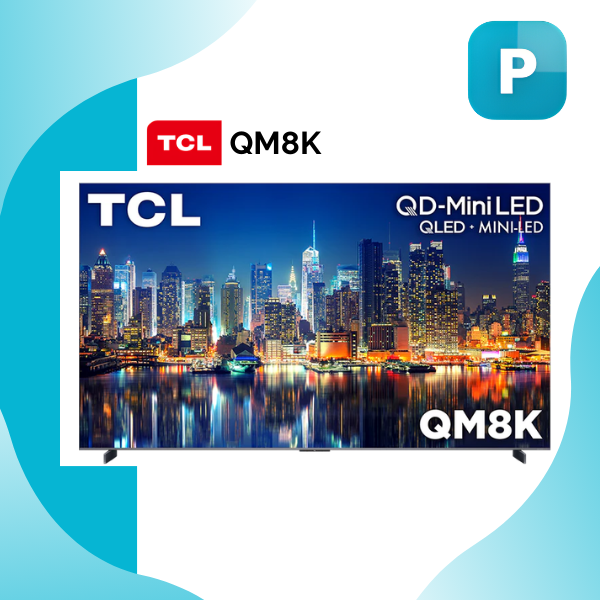
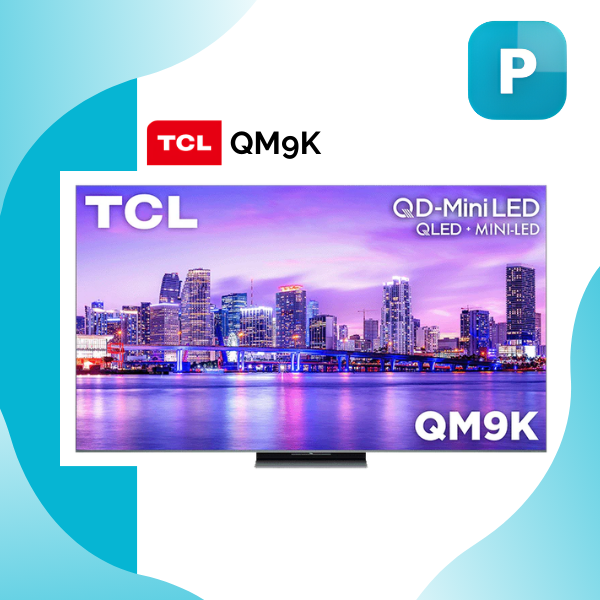
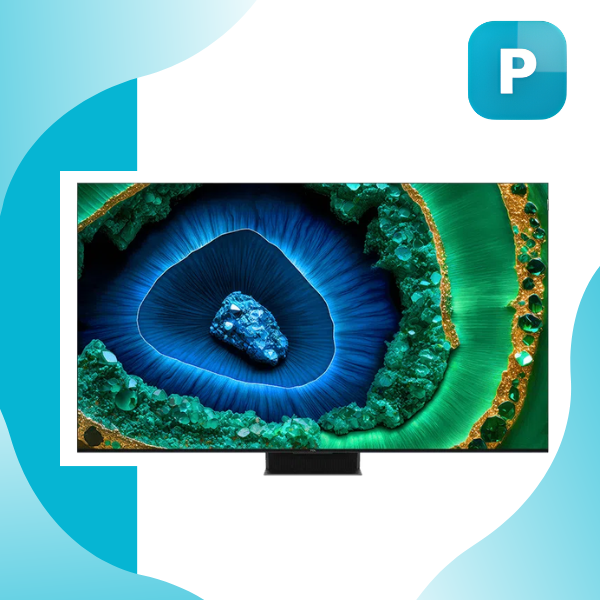
When diving into the world of premium televisions, few matchups generate as much excitement as the TCL QM8 vs TCL C855 In Depth Comparison. Both models represent TCL's commitment to delivering high-end features at accessible price points, blending advanced Mini LED technology with smart capabilities that appeal to gamers, movie enthusiasts, and everyday viewers alike. The QM8, part of TCL's Q Class series, targets users seeking ultimate brightness and immersive experiences, while the C855, a 2024 release primarily aimed at European markets, emphasizes peak performance in contrast and gaming fluidity. This head-to-head analysis explores their strengths and differences, helping you decide which one fits your home entertainment setup best. With shared roots in Quantum Dot technology and Google TV integration, these TVs promise stunning visuals, but subtle variations in specs could sway your choice.

Design and Build Quality

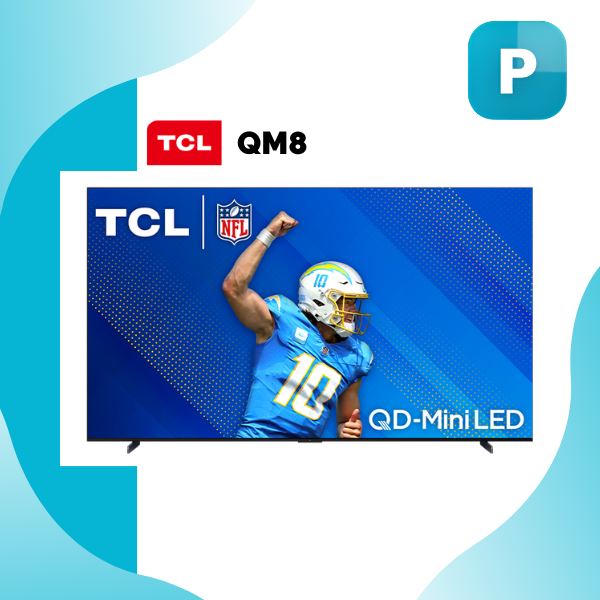
Starting with aesthetics and construction, both the TCL QM8 and TCL C855 boast sleek, modern designs that prioritize minimalism without sacrificing durability. The QM8 comes in a broader range of sizes, from 65 inches up to a massive 115 inches, making it ideal for those with larger living spaces or dedicated home theaters. In contrast, the C855 tops out at 98 inches, covering 65, 75, 85, and 98-inch options, which still caters to most households but lacks that extra-large appeal. Both feature flat VA panels with Mini LED backlighting, ensuring slim profiles that mount easily on walls via VESA standards—the QM8 uses 400x400 for most models, scaling to 1000x600 for its 115-inch variant.

Build-wise, these TVs feel premium, with sturdy stands and bezel-less edges that maximize screen real estate. The QM8 incorporates a High Brightness ULTIMATE LED backlight, which contributes to its robust feel, while the C855's 1344 local dimming zones suggest a finely tuned structure for precise light control. Neither model curves, sticking to flat screens that reduce glare in well-lit rooms. Overall, if size versatility is key, the QM8 edges ahead, but the C855's European-tuned design might appeal more to those valuing compact elegance in mid-to-large formats.

Picture Quality and Performance

At the heart of any TV comparison lies picture quality, and here the TCL QM8 vs TCL C855 In Depth Comparison reveals impressive similarities with notable distinctions. Both utilize QLED technology enhanced by Mini LED backlighting, delivering 4K UHD resolution (3840x2160) and vibrant colors— the QM8 boasts 1.07 billion colors, while the C855 covers 97% of the DCI-P3 gamut for lifelike hues in movies and games. HDR support is comprehensive on both: Dolby Vision IQ, HDR10+, HDR10, and HLG ensure dynamic range that pops in high-contrast scenes.

Brightness is a standout area. The C855 peaks at an astonishing 3300 nits with a typical 700 nits, making it exceptionally suited for bright environments where reflections could otherwise wash out details. The QM8 counters with its High Brightness ULTIMATE LED, though specific nit ratings aren't quantified in the same way, it's engineered for ultimate luminosity that rivals top-tier competitors. Local dimming enhances blacks and contrast—the C855's 1344 zones provide granular control, achieving a 5600:1 contrast ratio, while the QM8's QD-Mini LED ULTRA system focuses on ultimate precision without a zone count specified, but it's optimized for deep blacks and minimal blooming.

Refresh rates add to the fluidity: The QM8 offers a native 120Hz panel with up to 144Hz Variable Refresh Rate (VRR), paired with Motion Rate 480 and MEMC for smooth action. The C855 matches the 144Hz VRR natively, ensuring buttery-smooth gameplay and sports viewing. Processors differ too—the QM8's AIPQ PRO/ULTRA with AI deep learning refines images in real-time, while the C855 relies on its Mini LED setup for similar enhancements. In practice, the C855 might shine in high-brightness scenarios, but the QM8's broader AI processing could deliver more consistent upscaling for non-4K content.

Audio Capabilities and Immersion

Sound quality often gets overlooked in TV purchases, but the TCL QM8 vs TCL C855 In Depth Comparison highlights how both elevate the audio experience beyond basic built-ins. The QM8 features an ONKYO speaker system—2.1.2 for standard models and 6.2.2 for the 115-inch—delivering 80W (or 120W on the largest) of power with up-firing speakers for overhead effects. Dolby Atmos and DTS Virtual:X create a surround-sound illusion, making action sequences feel cinematic without external gear. Bluetooth personal audio adds flexibility for private listening.

The C855 counters with a 2.2.2 channel setup at 60W, including dual 10W mains, subwoofers, and up-firing speakers. It also supports Dolby Atmos, DTS-HD, and DTS Virtual:X, ensuring immersive soundscapes. While the power output is lower than the QM8's, the C855's configuration provides balanced bass and clarity, ideal for rooms where subtlety matters over sheer volume. Both TVs excel in virtual surround, but the QM8's higher wattage and ONKYO branding give it an edge for audiophiles, potentially filling larger spaces more effectively. If you're pairing with a soundbar, these differences diminish, but standalone, the QM8 feels more robust.

Smart Features, Gaming, and Connectivity

Modern TVs are smart hubs, and both models integrate seamlessly into connected homes. Running Google TV, they offer intuitive interfaces with hands-free voice control, built-in Google Assistant, and compatibility with Amazon Alexa and Apple HomeKit (QM8 also includes this). IMAX Enhanced certification on both ensures optimized playback for blockbuster content. Gaming perks are strong: AMD FreeSync Premium Pro, Auto Low Latency Mode (ALLM), and VRR up to 144Hz minimize lag and tearing. The QM8 adds Game Accelerator 240, while the C855's Game Master 2.0 fine-tunes settings for consoles like PS5 or Xbox.

Connectivity is robust. The QM8 provides four HDMI ports (one eARC), two USB 2.0 and one USB 3.0, Ethernet, and Wi-Fi 6 for lag-free streaming. The C855 offers two HDMI 2.1 and two HDMI 2.0 (with eARC, VRR, ALLM), Bluetooth 5.2, and Wi-Fi 6. Additional C855 features like video chat and Miracast enhance sharing, while the QM8's ATSC 3.0 tuner future-proofs broadcast viewing in supported regions. Chromecast and AirPlay 2 are standard on the QM8, with the C855 emphasizing quick settings for user-friendliness. In the TCL QM8 vs TCL C855 In Depth Comparison, gamers might lean toward the C855 for its adaptive HDR10+, but both deliver console-ready performance.

Comparison Reviews

Drawing from user feedback and expert insights, the QM8 garners praise for its expansive size options and powerful audio, often described as a "brightness beast" in bright rooms. Reviewers note its AI processor excels in upscaling older content, making it a favorite for mixed media consumption. However, some mention minor blooming in extreme dark scenes. The C855, meanwhile, impresses with its peak brightness and zone count, earning accolades for "stunning contrast" in HDR movies. Gamers appreciate its fluid refresh rate, though audio is seen as adequate but not overwhelming. Common compliments for both include value for money and vibrant colors, but the QM8 feels more premium in larger formats, while the C855 shines in European setups with its adaptive features.
Final Verdict

In wrapping up this TCL QM8 vs TCL C855 In Depth Comparison, the choice boils down to priorities. If you crave maximum size, superior audio power, and broad smart integration, the QM8 stands out as the ultimate pick, especially for US users with its ATSC tuner. Its AI-driven enhancements make it versatile for families. Conversely, the C855 excels in brightness peaks and precise dimming, appealing to gamers and those in well-lit spaces, with a nod to European optimizations. Both offer exceptional value, but for sheer immersion, I'd recommend the QM8 unless budget or regional availability favors the C855. Either way, you're getting a top-tier TV that punches above its weight.

Community Choice

Which one would you choose?

0%
0%

User Feedback

Leave a comment

Recent Feedback (0)

No feedback yet

Be the first to share your thoughts!

Frequently Asked Questions

Which TV is bigger, the TCL QM8 or the TCL C855?

The TCL QM8 offers a broader range of sizes, including a massive 115-inch option, making it the better choice for those seeking an extra-large screen. The TCL C855 tops out at 98 inches and is available in 65, 75, 85, and 98-inch models.

Which TV has better picture quality in a bright room?

The TCL C855 has the edge in bright rooms due to its specified peak brightness of 3300 nits. This allows it to better overcome glare and make HDR content pop. The QM8 is also designed for high brightness with its "High Brightness ULTIMATE LED" system, but its nit rating is not quantified for a direct comparison.

Which TV has better sound quality?

The TCL QM8 generally has more powerful audio, featuring an ONKYO speaker system with up to 80W (or 120W on the 115-inch model) and up-firing speakers. The C855 has a solid 2.2.2-channel 60W setup, but the QM8's higher wattage and ONKYO branding give it an advantage for filling larger spaces.

Which TV is better for gaming?

Both are excellent for gaming, with 144Hz VRR panels, AMD FreeSync Premium Pro, and Auto Low Latency Mode (ALLM). The QM8 features a "Game Accelerator 240," while the C855 has "Game Master 2.0" for fine-tuning settings. The C855's higher peak brightness may offer a more impactful HDR gaming experience.

What are the main differences in smart features?

Both run Google TV and support major voice assistants. The QM8 features an AIPQ PRO/ULTRA processor with AI deep learning for upscaling content and includes an ATSC 3.0 tuner for next-gen broadcast TV in the US. The C855 includes features like video chat and Miracast, and emphasizes its HDR10+ Adaptive for environment-aware picture adjustments.

Which TV is better for a home theater setup?

For a dedicated home theater, the TCL QM8 might be the better pick due to its available larger screen sizes (up to 115 inches) and its more powerful ONKYO audio system. Both deliver stunning picture quality with Mini LED, Dolby Vision IQ, and IMAX Enhanced certification.

Is the TCL C855 just the European version of the QM8?

While both are high-end Mini LED TVs from TCL, the text suggests they are distinct models with different focuses. The QM8 is positioned for the US market with features like an ATSC 3.0 tuner, while the C855 is primarily aimed at European markets with optimizations for peak brightness and gaming fluidity. They share core technology but have different specifications.

Which TV offers better value for money?

Both are praised for offering exceptional value. The best value depends on your priorities: the QM8 offers immense size and powerful audio, while the C855 offers class-leading peak brightness and precise local dimming. Your regional pricing and availability would likely be the deciding factor.