TCL X11L vs LG G6 In Depth Comparison
When choosing a flagship 4K TV for 2026, the TCL X11L and LG G6 stand out as premium contenders with cutting-edge technology. This detailed guide breaks down their strengths across display performance, gaming, audio, smart features, and more to help you decide. Whether you want massive screen sizes, incredible brightness, or perfect contrast, both models deliver impressive results—but in very different ways.
Display and Picture Quality
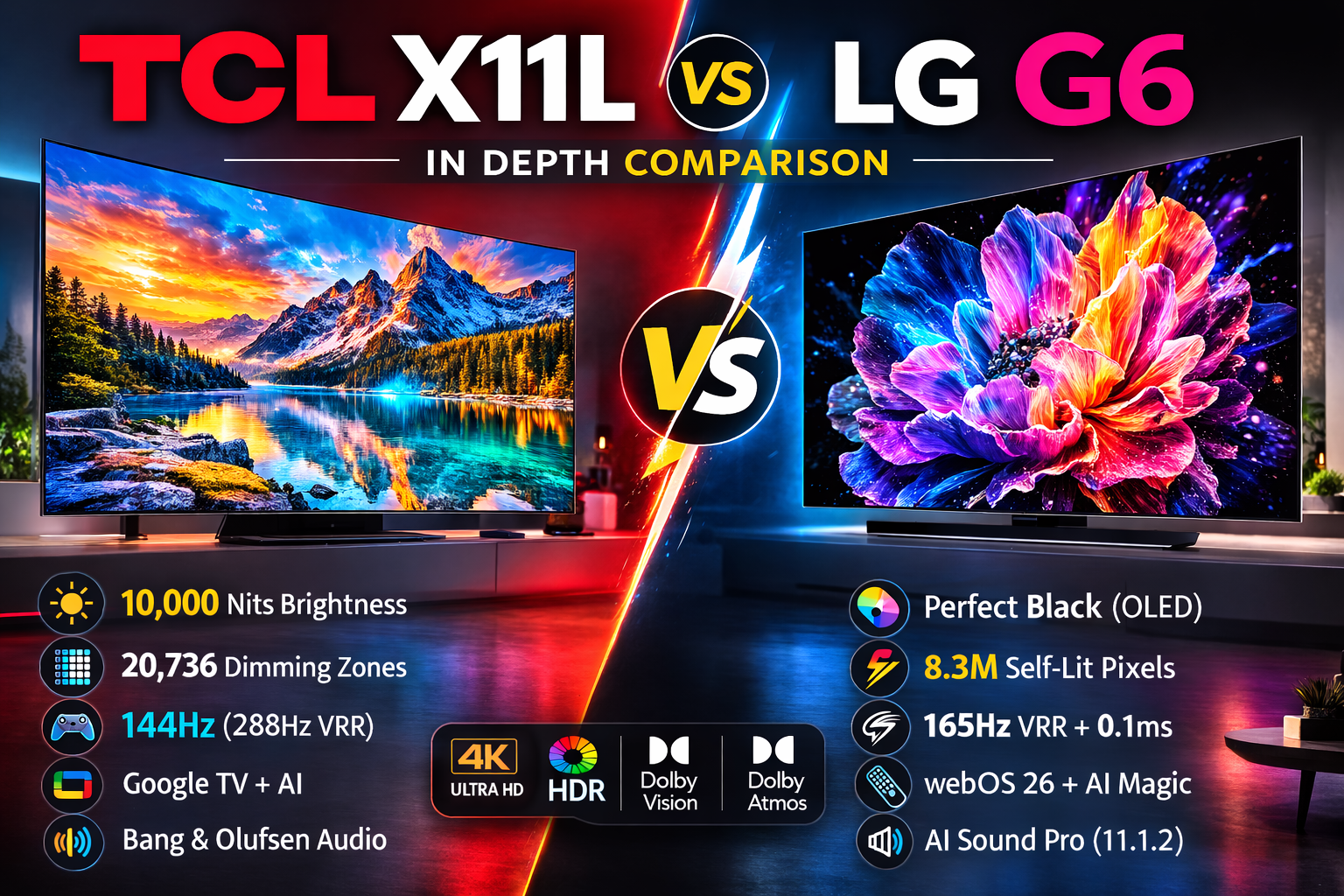
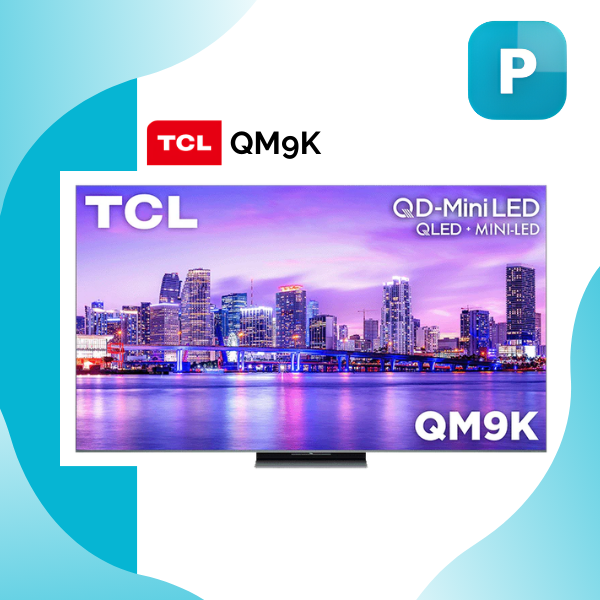
The TCL X11L uses advanced SQD-Mini LED technology paired with a WHVA 2.0 Ultra Panel. It offers up to 20,736 precise local dimming zones, which helps control light leakage far better than older Mini LED sets. Peak brightness reaches an astonishing 10,000 nits, making HDR content pop even in brightly lit rooms. Color coverage hits 100 percent of BT.2020, supported by Dolby Vision IQ, Dolby Vision, HDR10+, HDR10, HLG, and IMAX Enhanced certification. The 144Hz native refresh rate with VRR up to 288Hz and DLG technology ensures smooth motion for fast-paced scenes.
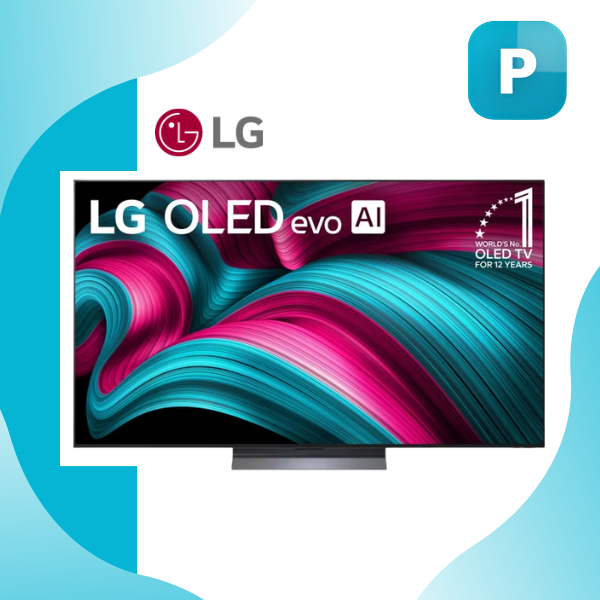
In contrast, the LG G6 relies on 4K OLED with over 8.3 million self-lit pixels. This delivers Perfect Black levels—true inky blacks with infinite contrast that Mini LED panels simply cannot match. Its Brightness Booster Ultra technology makes the screen up to 3.9 times brighter than previous generations, while Hyper Radiant Color and Perfect Color deliver vibrant, accurate hues. Dynamic Tone Mapping Ultra and α11 AI Super Upscaling 4K sharpen lower-resolution content beautifully. Filmmaker Mode with ambient light sensing preserves director intent.
For bright living rooms or daytime viewing, the TCL X11L clearly wins with its extreme luminance and huge dimming zones. However, in dark home theaters or nighttime movie marathons, the LG G6’s self-emissive pixels create unmatched depth and realism without any blooming or halo effects. Both support wide viewing angles, but the OLED maintains color accuracy better from the sides. If you love vivid highlights in HDR like sunlight bursts or explosions, the TCL feels more impactful; for subtle shadow detail and cinematic blacks, the LG G6 is superior.
Gaming Capabilities
Gamers will appreciate how both TVs push performance limits. The TCL X11L starts with a 144Hz native panel that stretches to 288Hz via VRR (48–288Hz range) and DLG technology. Game Master Mode, AMD FreeSync Premium Pro, and four full HDMI 2.1 ports with eARC make it ready for next-gen consoles and PCs. The TSR AiPQ Processor optimizes input lag in real time, while features like Gamebar and AI Gaming keep everything responsive.
The LG G6 counters with a 120Hz native refresh rate expandable to 165Hz VRR, plus an ultra-fast response time under 0.1 ms. It includes ALLM, HGIG Mode, NVIDIA G-Sync, and AMD FreeSync Premium. Four HDMI ports also support 4K at 120Hz with VRR and eARC. The α11 AI Processor 4K Gen3 handles upscaling and motion smoothly during intense gameplay.
Head-to-head, the TCL X11L offers higher peak refresh rates ideal for competitive esports or fast-paced titles on high-end PCs. Its massive 98-inch option creates an immersive arena feel. Yet the LG G6’s near-instantaneous pixel response eliminates motion blur completely, giving it an edge in precision shooters. Both handle variable refresh rates flawlessly, but the TCL edges ahead for sheer smoothness at extreme frame rates. If you pair either with a PS5 Pro or RTX 5090 setup, input lag stays minimal thanks to dedicated game accelerators.
Smart Features and Audio
Smart platform choice often decides daily enjoyment. The TCL X11L runs Google TV with built-in Google Assistant and hands-free voice control. You get seamless access to streaming apps, AI Cinema mode for content optimization, Ambient Mode, Art Gallery, and AI Art features. Bluetooth 5.4, Wi-Fi 6, and Miracast make wireless connections effortless. Its flat-thin design (just 2 cm at the thinnest) blends into modern spaces beautifully.
The LG G6 uses webOS 26 with ThinQ AI, AI Concierge, and Multi View for split-screen streaming. It works with Google Assistant and Apple HomeKit out of the box. The included AI Magic Remote MR26 feels intuitive, and LG Channels plus Game Service add extra value. Wi-Fi 5 and Bluetooth 5.3 handle most connections well, though slightly older than the TCL’s specs.
On audio, the TCL X11L partners with Bang & Olufsen for premium tuning, Dolby Atmos, and DTS Virtual:X. The result is rich, room-filling sound with clear dialogue. The LG G6 offers a 4.2-channel system upgraded by AI Sound Pro that creates a virtual 11.1.2 up-mix. Dolby Atmos support is strong on both, but the TCL’s dedicated high-end audio brand gives it a slight advantage in clarity and depth without needing a soundbar immediately.
Comparison Reviews
Real-world feedback highlights how these TVs shine in different homes. Early adopters praise the TCL X11L for transforming bright living rooms into HDR powerhouses—users report jaw-dropping highlights in content like “The Mandalorian” or sports broadcasts. The huge dimming zones and 10,000-nit capability earn compliments for eliminating clouding, while Google TV’s simple interface wins over families. Gamers love the 288Hz modes, saying competitive titles feel buttery smooth on the 98-inch model. Minor notes mention occasional blooming in extreme test patterns, but everyday viewing rarely shows it.
Reviewers call the LG G6 the “movie lover’s dream” because of its perfect blacks and color accuracy. In dark-room setups, films look reference-level, with shadow details that Mini LED TVs still struggle to match. The webOS 26 platform receives high marks for speed and the Magic Remote’s pointer functionality. Audio up-mixing impresses many, reducing the need for external speakers. Some users note OLED’s lower peak brightness feels less “punchy” in very sunny rooms, yet the overall picture quality earns consistent five-star ratings for cinematic experiences. Both TVs score highly for reliability, with the LG offering a longer five-year panel warranty.