TCL V6B vs TCL P635 TV In Depth Comparison
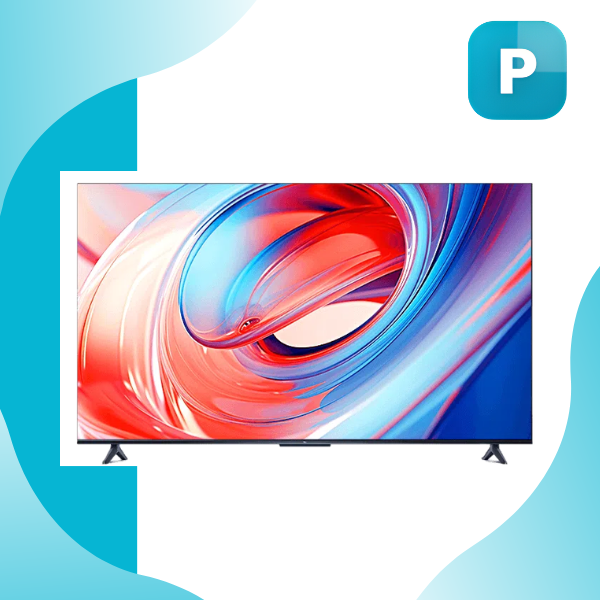
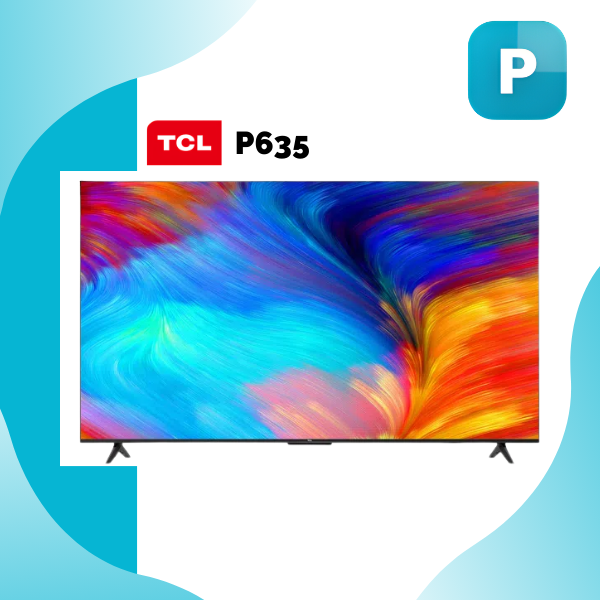
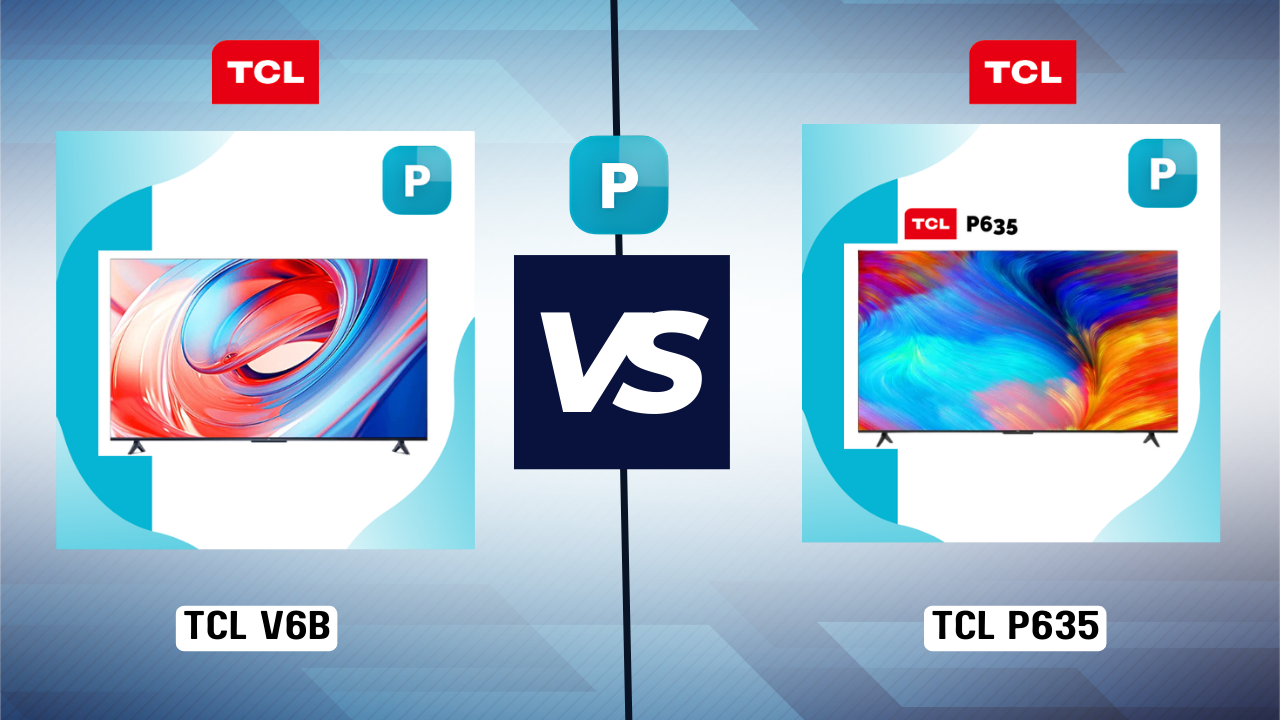
When diving into the world of affordable smart TVs, the TCL V6B and TCL P635 stand out as compelling options from the same brand, each catering to budget-conscious consumers who want solid 4K performance without breaking the bank. Released in 2024 and 2022 respectively, these models share many core features but differ in subtle ways that could sway your decision based on screen size preferences, minor design tweaks, and overall value. In this TCL V6B vs TCL P635 TV In Depth Comparison, we'll break down their strengths and weaknesses to help you choose the right one for your home entertainment setup. Both TVs emphasize accessibility with Google TV integration, making them ideal for streaming enthusiasts. However, the V6B's newer release brings slight refinements that might appeal to those seeking larger displays.
Design and Build Quality
Starting with aesthetics and construction, both the TCL V6B and TCL P635 embrace a minimalist approach that's common in mid-range TVs. The P635 features a 3-sided edgeless design, which minimizes bezels on the top and sides for a more immersive viewing experience, especially when wall-mounted. This gives it a sleek, modern look that blends seamlessly into living rooms without drawing attention to the frame. The V6B, while not explicitly highlighting an edgeless design in the same way, maintains a similar slim profile with narrow borders, ensuring the focus stays on the screen content.
In terms of build materials, both models use durable plastic casings that feel sturdy enough for everyday use, though they're not premium like higher-end OLED sets. The V6B is available in larger sizes, up to 75 inches, which is a big plus for those with spacious rooms wanting a cinematic feel. The P635 tops out at 65 inches, making it more suitable for smaller apartments or bedrooms. Weight-wise, the larger V6B variants will naturally be heavier, but both are easy to set up with standard VESA mounts. Connectivity ports are conveniently placed on the side or back, including HDMI 2.1 and USB 2.0 on each, supporting eARC for enhanced audio setups. Overall, if size matters, the V6B edges ahead, but the P635's edgeless styling might win over design purists.
Picture Quality and Display Features
Picture performance is where these TVs shine for their price point, both delivering 4K UHD resolution at 3840 x 2160 pixels with a 16:9 aspect ratio. They support HDR10 and HLG formats, which enhance contrast and color in compatible content, though neither includes Dolby Vision or HDR10+ for more dynamic metadata handling. This means you'll get decent HDR playback on streaming services like Netflix, but it won't be as punchy as on pricier models.
The refresh rate is locked at 60Hz for both, suitable for casual viewing like movies and sports, but gamers might notice some motion blur in fast-paced action without VRR or ALLM support—features absent from these budget-oriented TVs. Micro dimming is present on each, helping to improve black levels and contrast in darker scenes, though local dimming is missing, so expect some light bleed in completely dark rooms.
Where the V6B potentially pulls ahead in this TCL V6B vs TCL P635 TV In Depth Comparison is its 2024 panel tuning, which might offer marginally better color accuracy out of the box, thanks to incremental improvements in LCD technology. However, both use the same G31 MP2 GPU at 800MHz and a 32-bit A55 quad-core processor at 1.3GHz, ensuring smooth 4K upscaling for non-native content. Viewing angles are respectable for LCD panels, but off-axis watching could show some color washout. For everyday use, like binge-watching shows or family movie nights, either will satisfy, but the V6B's larger size options amplify the immersion factor.
Smart Features and Connectivity
Both TVs run on Google TV, providing a user-friendly interface packed with personalized recommendations and easy access to apps via the built-in store. Voice control is a highlight, with "Ok Google" integration for hands-free commands—though the V6B lacks explicit hands-free voice control, relying on the remote's microphone. They both work with Alexa, expanding smart home compatibility for controlling lights or other devices.
Wi-Fi supports dual-band 2.4GHz and 5GHz for stable streaming, and Bluetooth 5.0 is limited to audio-only pairing, perfect for wireless headphones but not for broader device connectivity. Additional perks include PVR and timeshift for recording live TV, subtitles for DTV, and EPG for program guides (though without IP EPG). The V6B's newer software might receive updates longer, but both handle streaming giants like YouTube, Disney+, and Prime Video flawlessly.
In terms of differences, the P635's slightly older OS version doesn't hinder performance noticeably, but the V6B feels more future-proof. Gamers will appreciate the HDMI 2.1 ports with CEC, though without gaming-specific features like FreeSync, these are better for casual console play. Overall, connectivity is robust on both, making them versatile hubs for your digital life.
Audio Performance
Sound quality often takes a backseat in slim TVs, and that's true here with both models featuring 2-channel speakers at 10W x 2 output. Dolby Audio enhances clarity and bass, providing a fuller soundstage for dialogues and effects, but DTS support is absent, limiting options for certain audio formats. Expect room-filling volume for small to medium spaces, but for immersive home theater experiences, pairing with a soundbar via eARC is recommended.
The V6B and P635 handle everyday audio needs well, like podcasts or news, with clear vocals and minimal distortion at higher volumes. However, in action-packed scenes, the lack of deeper bass might disappoint audiophiles. Bluetooth audio support allows easy headphone connections for private listening, a boon for late-night viewing. In this aspect of the TCL V6B vs TCL P635 TV In Depth Comparison, they're evenly matched, with no clear winner unless you prioritize external audio upgrades.
Comparison Reviews
Drawing from user feedback and expert insights, the TCL V6B garners praise for its value in larger sizes, with many appreciating the vibrant 4K visuals and seamless Google TV navigation. Reviewers note its reliability for streaming, though some mention average black levels in dim rooms. On the flip side, the P635 is lauded for its affordability and edgeless design, often highlighted in budget TV roundups for punching above its weight in color reproduction. Common complaints for both include the basic remote and occasional software glitches, but updates typically resolve these.
In head-to-head tests, the V6B's newer model year gives it a slight edge in processing speed, making app loading marginally quicker. Users upgrading from older sets love the HDR pop on both, but the P635's smaller max size limits its appeal for big-screen enthusiasts. Energy efficiency is comparable, with low power draw during operation. Overall, reviews position these as solid entry-level 4K options, with the V6B appealing to those wanting the latest tech and the P635 suiting cost-savvy buyers.