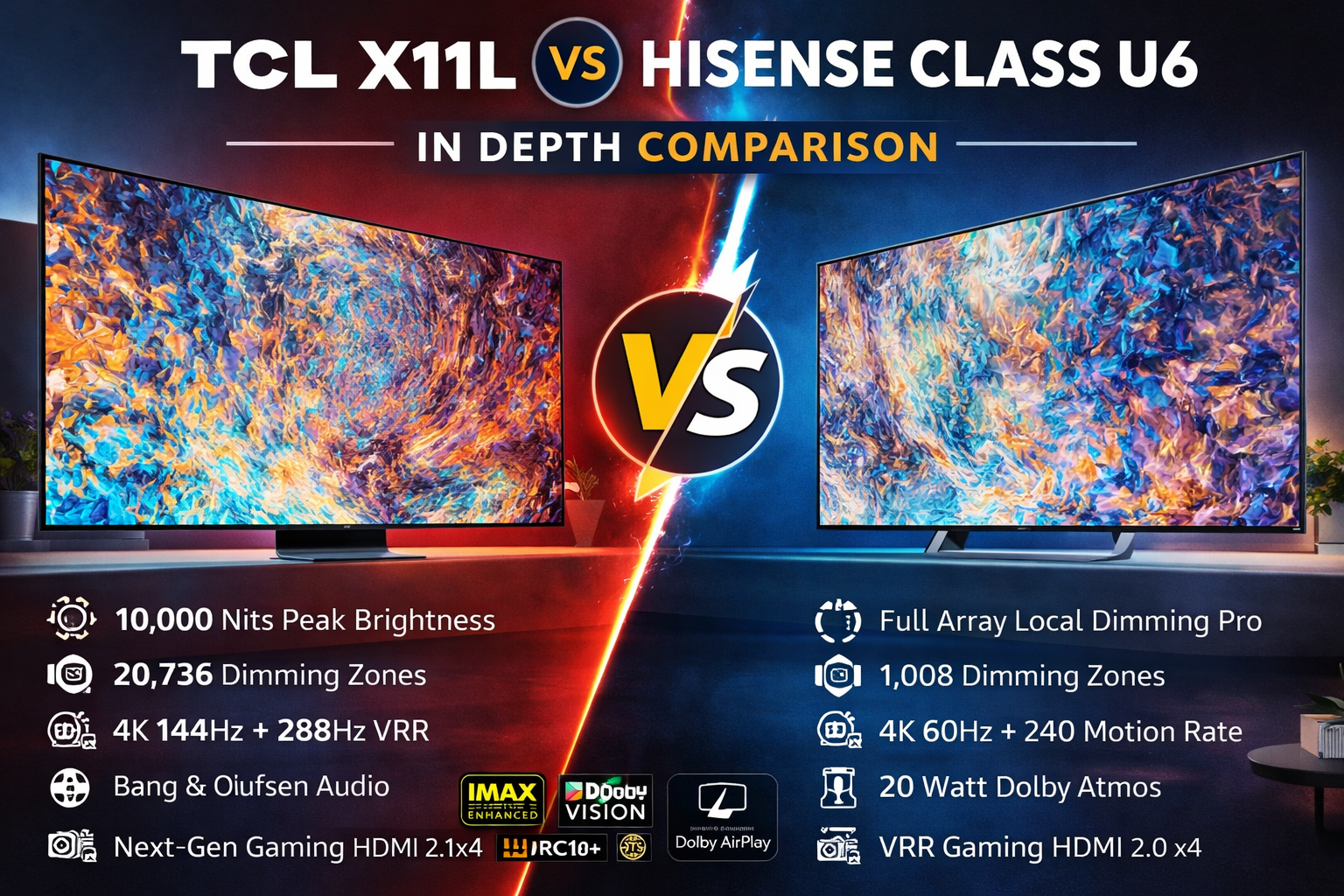
TCL X11L vs Hisense Class U6 In Depth Comparison
When shopping for a new 4K TV in 2026, two models that frequently come up in conversations are the flagship TCL X11L series and the more accessible Hisense Class U6 Series. Both run Google TV and use Mini-LED backlighting, yet they sit in completely different performance tiers. The TCL X11L pushes boundaries with extreme brightness, ultra-precise dimming, and next-generation gaming specs, while the Hisense U6 delivers reliable everyday viewing at a friendlier price point. This in-depth breakdown examines every major aspect so you can decide which one actually deserves your living-room real estate.
Design and Build Quality: Slim Flagship Aesthetics Versus Practical Everyday Build
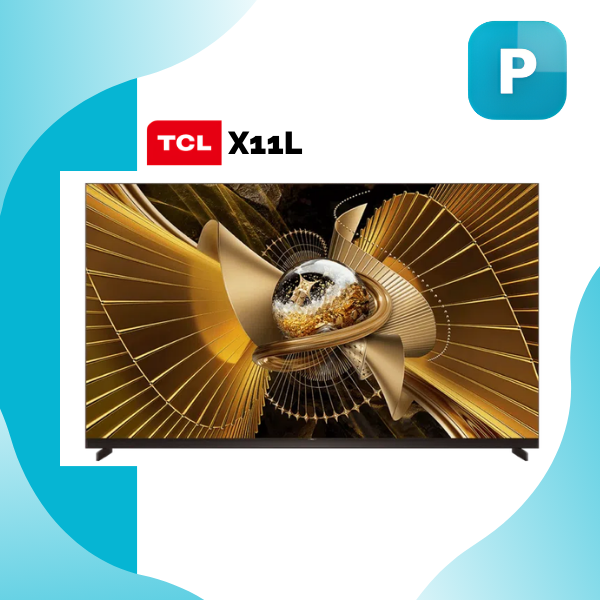
The TCL X11L arrives with a flat-thin design that measures just about two centimeters at its thinnest point. That razor-edge profile turns the television into a floating piece of art once wall-mounted, especially on the massive 98-inch version. Engineers achieved this slimness without sacrificing structural integrity, so the panel feels rock-solid even at 85 and 75 inches. A premium metal frame wraps the edges, giving it a high-end look that matches its price positioning. Ambient Mode and the built-in Art Gallery let the screen blend into your décor when not in use, displaying paintings or family photos instead of a blank black rectangle.
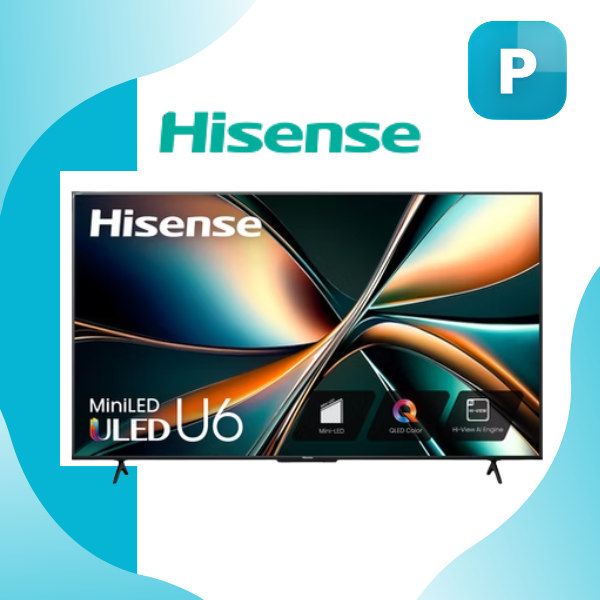
In contrast, the Hisense Class U6 follows a more conventional approach. Its depth sits around three inches without the stand and roughly eleven inches with it attached. The plastic bezels are thicker and the overall chassis feels more utilitarian than luxurious. At 65 inches, the set weighs about 30.6 pounds with the stand, making it manageable for one person to mount but far from feather-light. VESA 400x200 compatibility works fine, yet the stand footprint is wider than many competitors, which can eat into shelf space. Both TVs include basic cable management, but TCL hides wires more elegantly thanks to its thinner profile.
For buyers who treat their television as a design statement, the TCL X11L wins hands down. Its ultra-slim silhouette and ambient features create a premium atmosphere that the Hisense simply cannot match. However, if you prioritize easy setup and a no-fuss build that won’t draw attention away from the picture, the Hisense U6 remains perfectly serviceable.
Picture Quality and Display Technology: Extreme Brightness and Precision Meet Solid Mini-LED Fundamentals
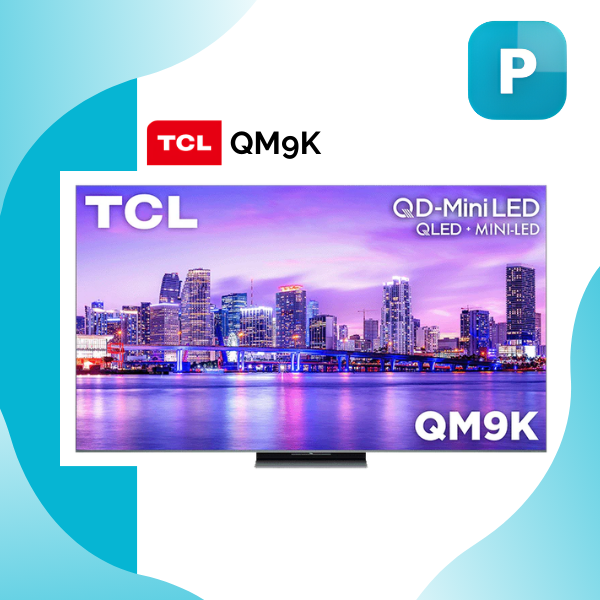
Picture performance is where the TCL X11L separates itself from almost every other television on the market. It uses SQD-Mini LED technology paired with a WHVA 2.0 Ultra Panel and up to 20,736 individual dimming zones. That staggering zone count means each tiny area of the screen can be controlled independently, delivering true inky blacks alongside blinding highlights without the dreaded blooming or halo effects that plague lesser local-dimming systems. Peak brightness reaches an astonishing 10,000 nits, turning Dolby Vision IQ content into a cinematic experience that rivals commercial theater screens. Colors cover up to 100 percent of BT.2020, so reds pop like fresh paint and greens look almost three-dimensional. IMAX Enhanced certification plus full support for Dolby Vision, HDR10+, and HLG ensures every HDR format looks exactly as the director intended.
The native 144Hz refresh rate further elevates motion handling. Combined with VRR that stretches from 48 to 288Hz and DLG technology, fast action scenes stay razor sharp without judder or blur. Sports broadcasts feel buttery smooth, while video games display zero tearing even at the highest frame rates. The TSR AiPQ Processor constantly analyzes incoming signals in real time, adjusting contrast, color, and sharpness frame by frame.
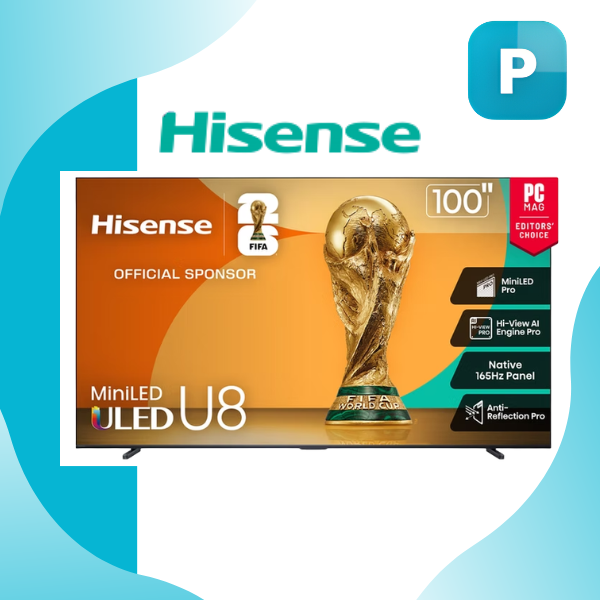
The Hisense Class U6 also employs Mini-LED backlighting with Full Array Local Dimming Pro and QLED Quantum Dot color. It covers a billion-plus colors and supports Dolby Vision, HDR10+, and HLG, so HDR content still looks vibrant compared with standard LCDs. However, the zone count is significantly lower than the TCL’s, which occasionally allows minor blooming around bright objects against dark backgrounds. Peak brightness is respectable for its class but nowhere near the 10,000-nit ceiling of the TCL. At 60Hz native refresh with a 240 motion rate and MEMC processing, motion looks decent for movies and sports, yet fast panning shots reveal slight stuttering that the TCL erases completely.
In real-world viewing, the TCL X11L produces deeper blacks, brighter highlights, and more accurate colors across every lighting condition. Daytime rooms with large windows become no problem because the extreme brightness punches through glare. Nighttime movie sessions feel immersive thanks to perfect contrast. The Hisense U6 still delivers enjoyable 4K HDR for casual viewers, but side-by-side comparisons reveal the TCL’s superior depth and realism.
Gaming Performance and Connectivity: Next-Gen Features Leave No Room for Compromise
Gamers who demand the latest console features will notice the gap immediately. The TCL X11L ships with four HDMI 2.1 ports, each capable of full 4K at 144Hz with VRR, ALLM, and eARC. Game Master Mode, the 288Hz VRR Game Accelerator, and AMD FreeSync Premium Pro combine to deliver lag-free, tear-free gameplay at the highest possible frame rates. The on-screen Game Bar lets you tweak settings instantly without pausing the action. Input lag drops to near-zero levels, making competitive online titles feel responsive and fair.
The Hisense Class U6 offers four HDMI 2.0 ports, which cap out at 4K 60Hz. While it includes VRR, Auto Low Latency Mode, and Game Mode Plus, the lower refresh rate and older HDMI standard limit next-generation consoles to 60 frames per second. Serious PC gamers using high-refresh-rate graphics cards will feel constrained. Both TVs support Google Assistant and Bluetooth, yet the TCL adds Miracast wireless display and Wi-Fi 6 for smoother streaming from phones or laptops.
Connectivity on the TCL also includes Bluetooth 5.4, giving more stable pairing with wireless headphones and soundbars. The Hisense sticks with Bluetooth 5.3 and includes older USB 2.0 ports plus composite inputs for legacy devices. For anyone building a modern gaming setup with PS5 Pro or high-end RTX cards, the TCL X11L provides future-proof performance that the Hisense cannot match.
Audio Experience and Smart Platform: Premium Sound Tuning Versus Basic Power
Audio separates these two televisions even further. The TCL X11L partners with Bang & Olufsen for a custom-tuned system that supports Dolby Atmos and DTS Virtual:X. Dialogue stays crisp, bass hits with authority, and height effects create a convincing three-dimensional soundstage without needing an external soundbar. AI Cinema and AI Audio modes analyze content and adjust output automatically, so everything from quiet dramas to explosive action films sounds balanced.
The Hisense Class U6 packs 20 watts of built-in power with Dolby Atmos decoding. While it produces clear vocals and decent surround simulation, the overall volume and dynamic range fall short of flagship expectations. Bass lacks punch, and high-frequency details can sound thin during loud scenes. Most users will still want a soundbar within the first week.
On the smart side, both run Google TV with built-in Google Assistant. The TCL goes several steps further with AI Gaming, AI Art, and an Ambient Mode that turns the screen into a digital canvas. Hands-free voice control works reliably on the TCL, letting you adjust volume or search content without picking up the remote. The Hisense includes Alexa compatibility and a backlit voice remote, which is convenient but lacks the advanced AI features that make the TCL feel like a true smart hub.