TCL X11L vs Hisense U7K In Depth Comparison
When buyers shop for a premium 4K TV in 2026, two names often rise to the top: the cutting-edge TCL X11L and the still-popular Hisense U7K. Both deliver Mini-LED brilliance, but they sit in very different leagues when it comes to raw performance, future-proofing, and everyday enjoyment. This detailed breakdown examines every major aspect side by side so you can decide which one truly deserves your living room.
Display Technology and Picture Quality
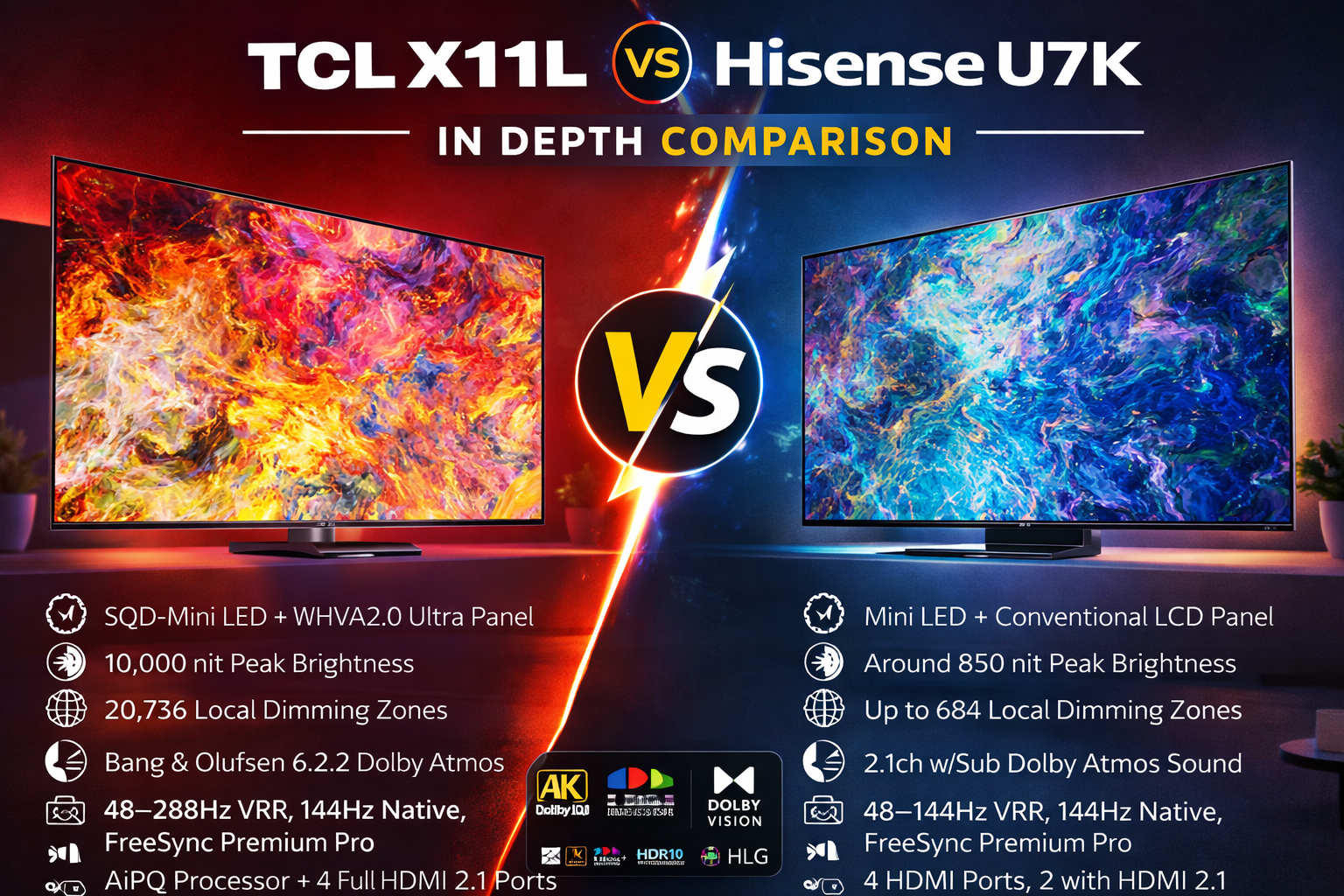
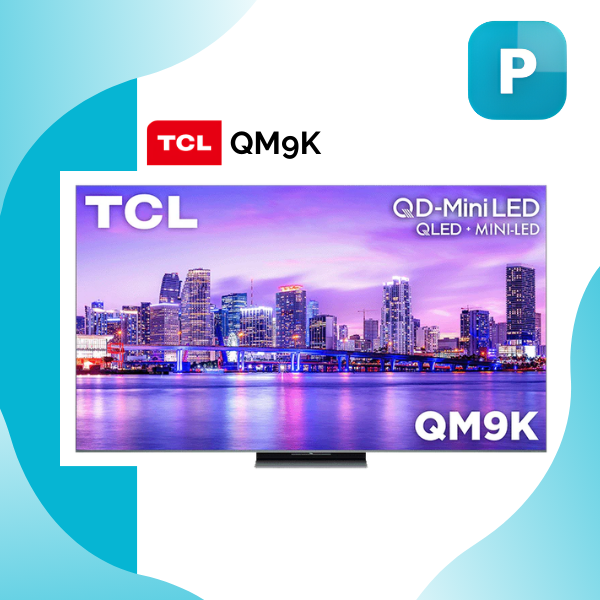
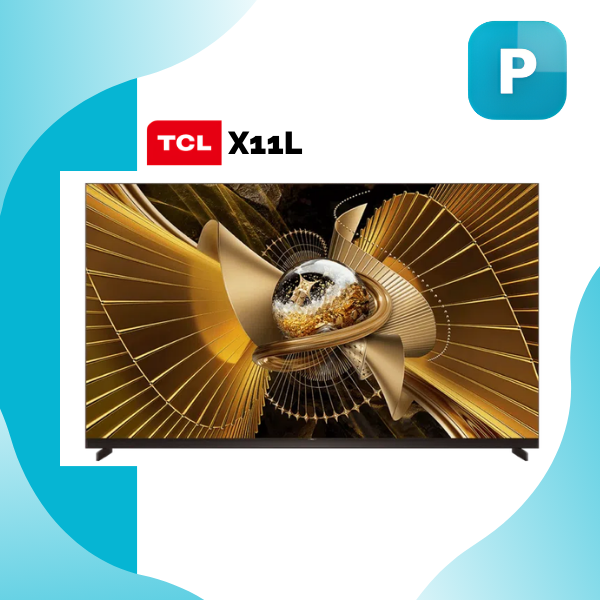
Picture quality forms the heart of any TV purchase, and here the gap between these two models feels enormous. The TCL X11L relies on an advanced SQD-Mini LED system paired with a WHVA 2.0 Ultra Panel. This combination produces up to 10,000 nits peak brightness and covers a full 100 percent of the BT.2020 color gamut. That extreme brightness means highlights in HDR content explode with realistic intensity while shadows stay ink-black. More importantly, the 20,736 precise local dimming zones work like thousands of tiny spotlights that turn on and off independently. In demanding scenes—think a starry night sky next to a bright streetlamp—the TCL keeps halos and blooming almost invisible. Colors appear vivid yet natural across the entire screen because the Super Quantum Dot layer filters light with surgical accuracy.
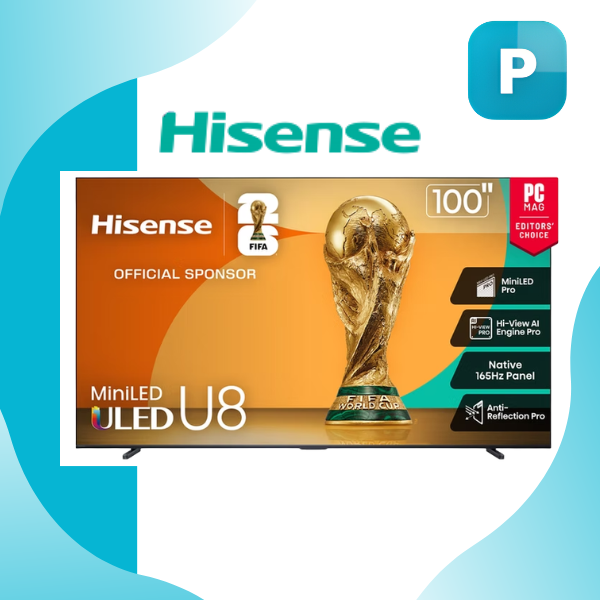
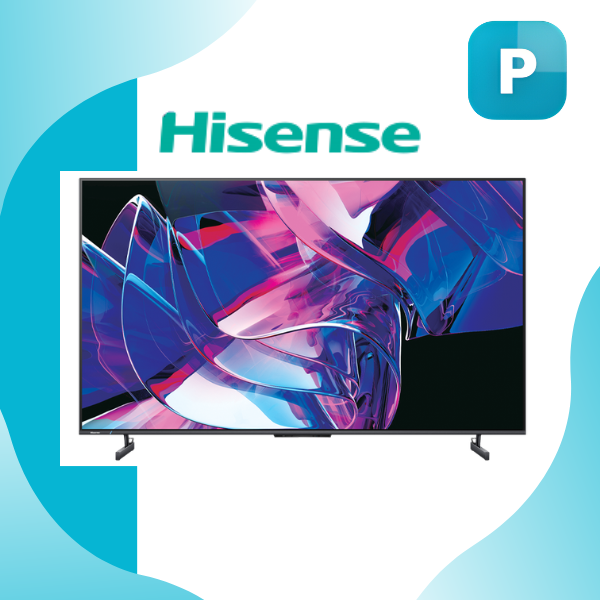
In contrast, the Hisense U7K uses a more conventional Mini-LED backlight. Depending on screen size, it offers only a few hundred dimming zones (around 384 on the 65-inch, up to 684 on the 85-inch). Peak brightness tops out near 850 nits in real-world HDR testing. While this still creates punchy highlights and solid contrast for the price, bright rooms reveal limitations. Blooming becomes noticeable around bright objects on dark backgrounds, and color volume feels slightly restrained compared with true wide-gamut panels. HDR formats on both TVs include Dolby Vision IQ, Dolby Vision, HDR10+, HDR10, and HLG, yet the TCL extracts far more detail from those signals thanks to superior light control and color accuracy.
Movies watched in a darkened room showcase the difference most clearly. On the TCL, every subtle shadow gradient in a thriller remains visible without crushing blacks, while explosions retain eye-searing intensity without washing out surrounding details. Sports broadcasts also benefit: the TCL’s higher brightness cuts through ambient daylight, keeping grass fields vibrant and player jerseys distinct. The Hisense U7K handles daytime viewing well enough for casual use, but it cannot match the TCL’s ability to maintain depth and punch when sunlight floods the room. Overall, anyone who values reference-level contrast, limitless brightness, and flawless color reproduction will immediately notice the TCL pulling far ahead in picture quality.
Audio Performance and Immersion
Sound often gets overlooked until you actually sit down to watch, yet both brands invest heavily here. The TCL X11L partners with Bang & Olufsen for a custom-tuned audio system that includes Dolby Atmos and DTS Virtual:X. This setup creates a genuine three-dimensional soundstage. Voices emerge crystal clear from the center, while effects swirl around the room with believable height and width. Bass feels tight and powerful without rattling the cabinet, even at high volumes. The processor intelligently analyzes content in real time, boosting dialogue during quiet scenes and expanding the field during action sequences. Hands-free voice control lets you adjust volume or switch inputs without ever touching the remote.
The Hisense U7K offers a 2.1-channel system rated at 2×15 W plus a 20 W subwoofer on most sizes (slightly more on the 100-inch). It supports Dolby Atmos and Dolby Digital, delivering decent clarity and some low-end rumble. However, the soundstage stays flatter and narrower. High volumes introduce slight distortion in the midrange, and atmospheric effects lack the precise placement that Bang & Olufsen engineers achieve. In a quiet home theater, the Hisense still impresses for the money, but it cannot compete with the TCL when you want cinema-like immersion without adding a soundbar. Movie nights with orchestral scores or explosive blockbusters feel richer and more enveloping on the TCL, while the Hisense works fine for everyday TV but quickly reveals its limits during demanding content.
Smart Features, Connectivity, and Daily Usability
Both televisions run Google TV, giving access to the same vast library of streaming apps and personalized recommendations. Yet the TCL X11L takes the platform to another level with its TSR AiPQ Processor and suite of AI tools. AI Cinema mode automatically optimizes picture settings scene by scene. AI Gaming detects input lag and adjusts parameters instantly. Ambient Mode and Art Gallery turn the TV into a digital picture frame when not in use. Built-in hands-free voice control with Google Assistant means you can dim lights, check weather, or start Netflix simply by speaking. Wi-Fi 6, Bluetooth 5.4, and four full HDMI 2.1 ports (all supporting 48 Gbps) ensure rock-solid connections for future devices.
The Hisense U7K also uses Google TV and offers smooth navigation plus the same core apps. Its VIDAA app remote control works well, and screen mirroring via Anyview Cast is simple. However, it lacks the advanced AI suite and hands-free microphone array. Bluetooth 5.0 and Wi-Fi 5 feel a generation behind. Connectivity remains solid with four HDMI ports (two full 2.1), yet the TCL’s faster wireless standards and extra processing power make multitasking—such as casting while gaming—noticeably snappier. Daily users who love voice commands and smart-home integration will appreciate the TCL’s effortless operation. Families who just want to stream quickly will find both TVs capable, but the TCL’s extra polish elevates routine use into something special.
Gaming Capabilities and Performance
Gamers demanding the latest features will see the biggest performance gap. The TCL X11L boasts a 144 Hz native panel that stretches to 288 Hz via dual-line gating and variable refresh rate ranging from 48 to 288 Hz. Game Master Mode, a dedicated Gamebar, and AMD FreeSync Premium Pro eliminate tearing and stuttering. Four HDMI 2.1 ports allow multiple next-gen consoles to run at full 4K/144 Hz with VRR and ALLM. The AI Gaming processor predicts frame demands and reduces input lag to near-zero levels. Large sizes like 98 inches turn competitive titles into breathtaking experiences where every detail pops and motion stays buttery smooth.
The Hisense U7K supports 144 Hz refresh and VRR up to 144 Hz with AMD FreeSync Premium Pro plus two HDMI 2.1 ports rated for 4K/144 Hz. Game Mode Pro offers quick settings tweaks and low latency. It handles current consoles beautifully and delivers responsive gameplay. Yet it cannot reach the TCL’s 288 Hz ceiling or match the ultra-low lag of the AiPQ engine. In fast-paced esports or racing games, the TCL renders motion with greater clarity and fewer artifacts. Console owners who own both an Xbox Series X and PlayStation 5 will love the TCL’s four full-bandwidth ports versus the Hisense’s more limited high-speed options. Serious gamers chasing maximum frame rates and future-proofing will gravitate toward the TCL, while casual players will still enjoy smooth performance on the Hisense without complaint.