TCL X11L vs LG G5 In Depth Comparison
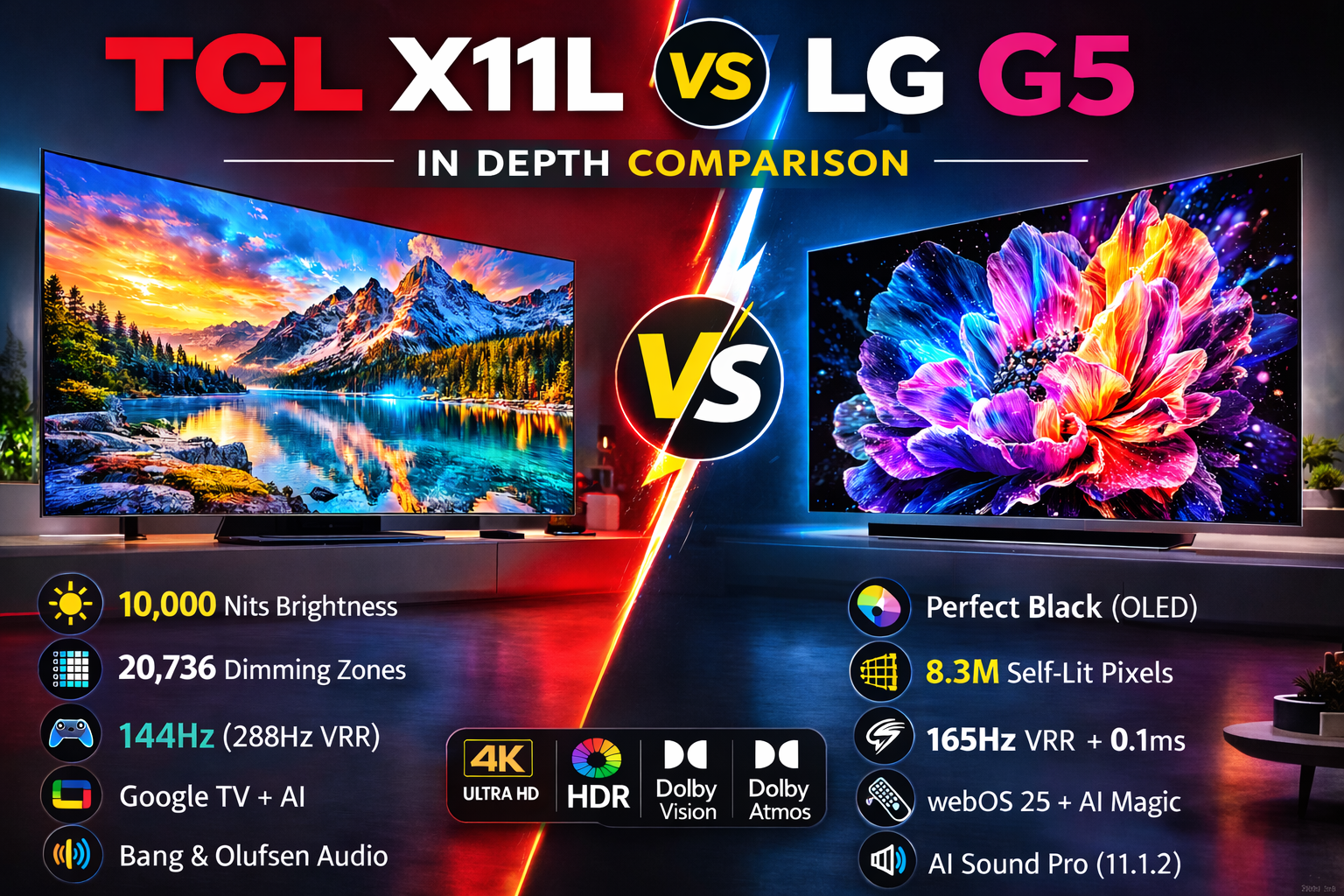
Choosing a premium television in 2026 means weighing massive screen sizes, revolutionary picture tech, and next-level features. This TCL X11L vs LG G5 In Depth Comparison pits TCL’s flagship Mini LED monster against LG’s latest OLED evo masterpiece. Both deliver 4K UHD brilliance, but they shine in completely different ways — one chasing extreme brightness and the other pursuing perfect contrast. Whether you crave daylight viewing power or cinematic immersion, this detailed breakdown reveals which TV earns your living room throne.
Picture Quality Showdown
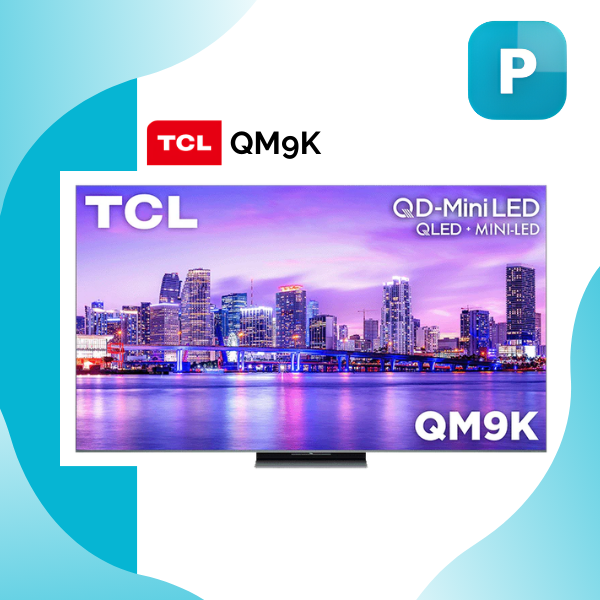
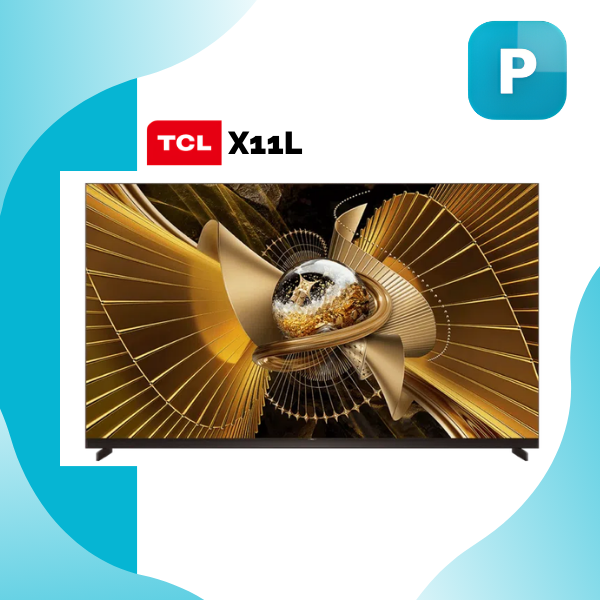
Picture performance forms the heart of any flagship TV battle, and these two giants approach it from opposite ends of the spectrum. The TCL X11L relies on SQD-Mini LED technology paired with a WHVA 2.0 Ultra Panel and an astonishing 20,736 local dimming zones. That massive zone count virtually eliminates halo effects while pushing peak brightness all the way to 10,000 nits. HDR content explodes with lifelike highlights — think sunlight glinting off water or flames leaping from the screen — and the color gamut hits 100 percent BT.2020 coverage. Dolby Vision IQ, HDR10+, and IMAX Enhanced certification ensure every streaming service looks its absolute best. In bright living rooms or during daytime sports, this TV simply has no rival for punch and clarity.
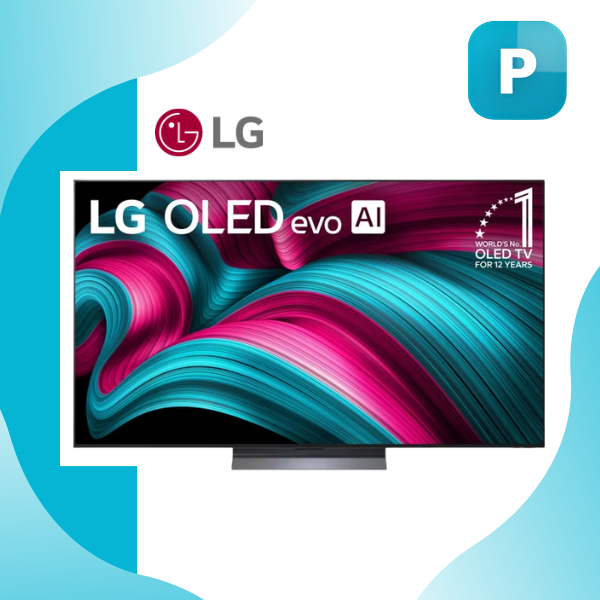
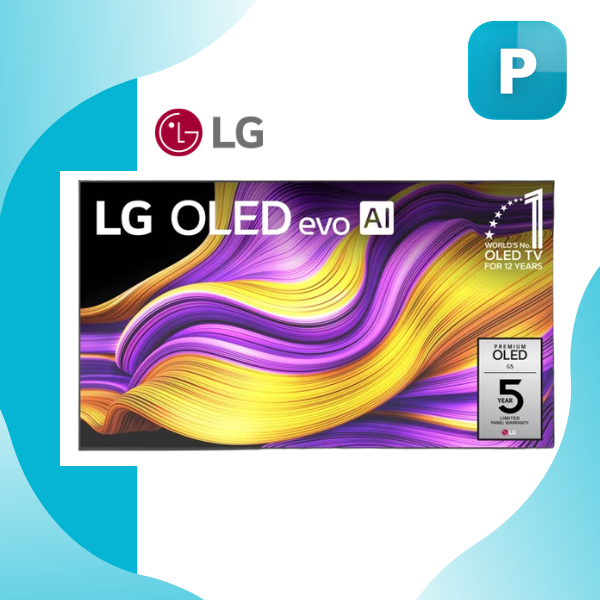
The LG OLED evo AI G5 counters with self-emissive pixels that produce true blacks deeper than any backlit system can match. Its Brightness Booster Ultimate technology lifts peak output significantly, yet the real magic happens in dark scenes where infinite contrast creates an inky depth that makes images float off the screen. The α11 AI Processor 4K Gen2 handles upscaling and dynamic tone mapping with impressive intelligence, turning older 1080p content into near-4K sharpness. Filmmaker Mode preserves director intent without artificial enhancement, making movie nights feel like a private theater. However, in sun-drenched rooms the LG cannot match the TCL’s raw luminance, so viewers who keep lights low will appreciate the OLED’s natural advantage far more.
Both support Dolby Vision and HLG, yet the TCL pulls ahead for high-brightness HDR pop while the LG dominates contrast-heavy nighttime viewing. Screen size availability adds another layer: the TCL stretches to a colossal 98 inches, giving it the edge for truly immersive home cinema setups, whereas the LG tops out at 97 inches with slightly more size options in the mid-range.
Gaming Performance Battle
Gamers today demand buttery-smooth motion and zero input lag, and both TVs deliver serious credentials through four HDMI 2.1 ports. The TCL X11L starts with a native 144Hz panel that stretches to 288Hz via VRR and Dual Line Gate technology. Game Master Mode, a dedicated Gamebar, and AMD FreeSync Premium Pro keep tearing at bay even during frantic esports sessions. The TSR AiPQ Processor optimizes frame rates on the fly, and the 48–288Hz variable refresh range handles everything from 30fps story-driven titles to high-refresh PC gaming without compromise. At 98 inches, competitive players feel completely surrounded, turning every match into an arena experience.
The LG G5 fights back with its legendary OLED response time of less than 0.1 milliseconds — essentially eliminating motion blur entirely. Its 120Hz native panel combined with VRR up to 165Hz, ALLM, NVIDIA G-Sync, and AMD FreeSync Premium creates rock-solid synchronization for consoles and graphics cards alike. The α11 AI Processor further reduces latency through intelligent frame prediction. While the TCL offers higher maximum refresh rates, the LG’s pixel-level speed gives it a slight edge in clarity during rapid camera pans or fighting games. Both TVs support Dolby Vision gaming, yet the TCL’s brighter panel makes HDR explosions more visible in well-lit gaming dens.
Overall, high-refresh enthusiasts and PC gamers will lean toward the TCL X11L for its 288Hz ceiling and huge screen real estate. Console players who prioritize instant response and perfect black levels during dark horror titles may still prefer the LG G5’s OLED responsiveness.
Smart Features and Audio Experience
Modern TVs are entertainment hubs, and each brand brings its own ecosystem strengths. The TCL X11L runs Google TV with built-in Google Assistant that responds to hands-free voice commands from across the room. AI Cinema mode automatically adjusts picture settings based on content type, while AI Gaming and AI Art features add thoughtful extras like ambient mode and an art gallery for when the TV doubles as wall décor. Miracast, Bluetooth 5.4, and Wi-Fi 6 keep streaming and device pairing effortless. The flat-thin design measures just two centimeters at its thinnest point, blending seamlessly into contemporary interiors.
The LG G5 counters with webOS 25, a polished interface famous for its intuitive Magic Remote that turns cursor control into second nature. Built-in support for both Amazon Alexa and Google Assistant gives voice flexibility, while Apple AirPlay 2 and Google Cast simplify content sharing from phones. The α11 AI Processor powers AI Sound Pro that upmixes audio into a virtual 11.1.2 channel experience. Power consumption stays efficient at 148.4 watts during use and drops below 0.5 watts in standby, a welcome detail for eco-conscious households.
Audio hardware separates the two even further. TCL partners with Bang & Olufsen for tuned speakers that deliver rich, detailed sound alongside Dolby Atmos and DTS Virtual:X. The result feels cinematic without needing a separate soundbar in many rooms. LG’s 4.2-channel system also supports Dolby Atmos but relies on AI Sound Pro to simulate wider staging. While both impress for built-in audio, the TCL’s premium branding and virtual surround depth give it a slight edge for music and movie lovers who skip external speakers.
Comparison Reviews
Early hands-on feedback from tech enthusiasts highlights clear patterns. Viewers who tested the TCL X11L in living rooms with ambient daylight consistently praise its 10,000-nit brightness for cutting through glare during daytime sports and reality shows. Multiple gamers report the 288Hz VRR feels “next-level smooth” on fast-paced titles, and the Google TV interface earns compliments for its clean recommendations and quick app switching. A few notes mention occasional blooming in extreme test patterns, yet real-world content rarely reveals the issue thanks to the dense dimming zones.
Reviewers who spent evenings with the LG G5 emphasize the OLED “wow factor” — true blacks that make night scenes pop and colors that appear more natural under controlled lighting. The sub-0.1ms response time draws raves from console players who notice zero ghosting in action games. WebOS receives consistent praise for its Magic Remote convenience and thoughtful AI upscaling that breathes new life into older libraries. Some mention the brightness, while impressive for OLED, still falls short of Mini LED titans when curtains are open.
Across forums and early previews, the consensus splits by use case: bright-room families and competitive gamers lean TCL, while movie buffs and dark-room enthusiasts celebrate LG’s contrast mastery. Both TVs score highly for build quality and future-proof HDMI 2.1 connectivity, leaving the final decision to personal priorities rather than outright superiority.